











In an historic moment for Western Sydney public schools, 120 secondary students have sent life-giving algae to the International Space Station in a bid to create a greener future on Earth.
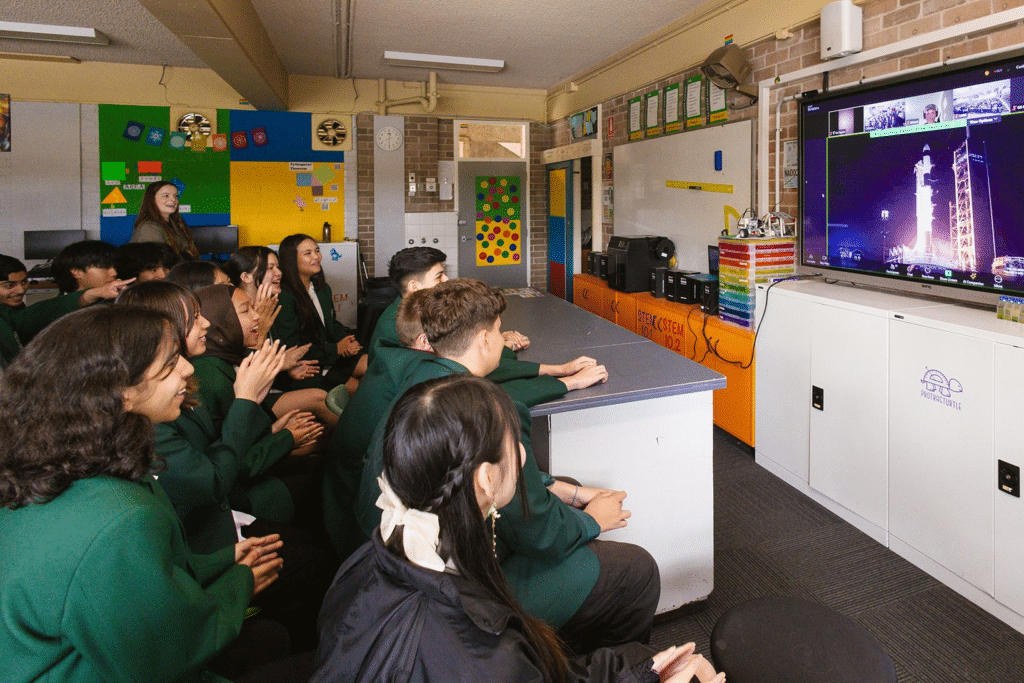
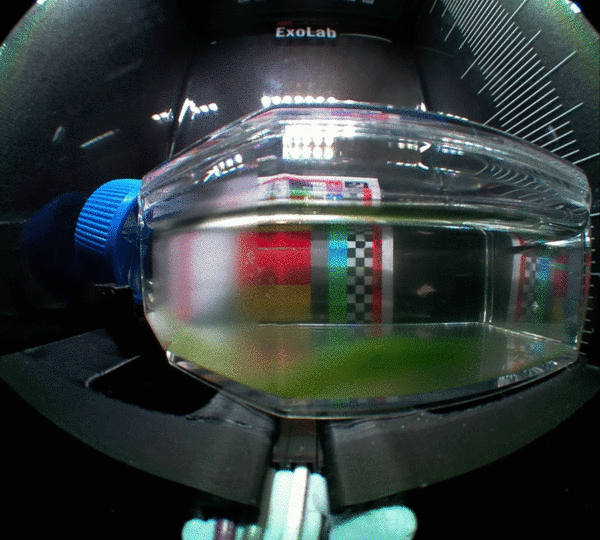
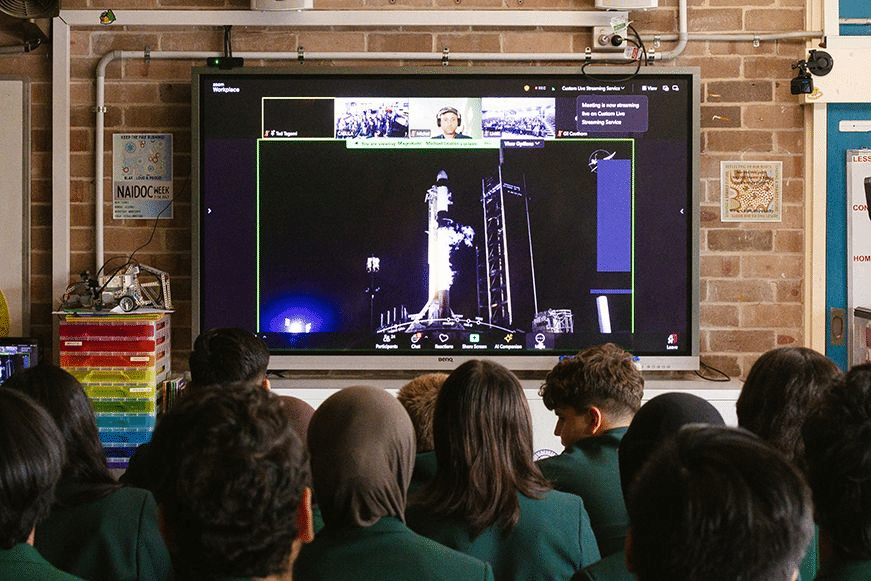
Yesterday at 1.29pm AEDT students from Seven Hills High School joined students at Casula High School cheering and clapping as the inaugural Powerhouse-1 space mission lifted off from the Kennedy Space Centre in Florida, carrying two shoebox-sized containers of an ancient species of microalgae.
The student-designed experiment left Earth on the SpaceX-31 Cargo Dragon spacecraft destined for a 30-day mission to space, marking the culmination of the three-year Powerhouse: Future Space program. This is the first initiative of the Lang Walker Family Academy at Powerhouse Parramatta, made possible through a generous donation from the Walker Family Foundation.
The project, named ‘Algae in Microgravity’, was created to prove the students’ hypothesis that algae grows faster in orbit than on Earth. If their assumptions are correct, it could present possibilities for space-grown algae to be used in food, medicines and biofuels during interplanetary travel—and to improve environmental conditions on Earth and Mars.
Launched in 2022, the three-year project was developed by Powerhouse in partnership with Magnitude.io and the NSW Department of Education, with support from the University of Technology Sydney, Fizzics Education and Space Tango. The program was designed to align with NSW curriculum, specifically the elective iSTEM subject for Year 9 and 10 students, with participating schools including Arthur Phillip High School, East Hills Girls High School, Hurlstone Agricultural High School, Bankstown Girls High School, Seven Hills High School and Casula High School.
Over the past three-years, Future Space students have had access to unique experiences beyond the classroom, learning from local and international scientists, researchers and industry space leaders, such as Australia’s first female astronaut Katherine Bennell-Pegg, Gamilaraay astrophysicist Karlie Noon and NASA scientist Dr Adrian Brown.
Students were invited into University of Technology’s Deep Green Biotech Lab where they learnt about the practical applications of algae and heard from academic researchers in the field.
One of the key events within the program was the 2023 Powerhouse Design For Space Challenge, which saw students design and pitch their own microgravity experiments to space industry professionals. Some student submissions included an investigation into the impacts of microgravity on microbial resistance, the development of insulin, the development of neurons and the growth of mould.
Casula High School’s ‘Algae in Microgravity’ experiment was selected as the project to be sent on the inaugural mission to the International Space Station. Over the past year students from all seven schools have collaborated on this experiment, conducting ground trials using ExoLabs to determine the ideal growing conditions for algae before comparing and analysing results.
NSW Minister for the Arts, Hon. John Graham MLC said, ‘We used to say the sky’s the limit for our talented high school students of Western Sydney, but they are proving there is no limit to their potential as they conduct this experiment in space. Casula High’s experiment is on the way to the International Space Station and those who took part in the experiment could be on their way to a big future in the field of Science, Technology, Engineering, and Mathematics. We are proud to back these budding scientists through the Powerhouse: Future Space program.’
Casula High School Maths/STEM teacher Lexie Rouen said, ‘From the beginning, students have been excited to work on real world experiments that have actual applications for the future. Students were always blown away by the fact that the work we were doing was adding to actual data being collected and used worldwide. All of this is above and beyond what we can normally achieve inside a classroom.’
Sophie Poisel, Head of the Lang Walker Family Academy said, ‘Powerhouse: Future Space has offered students the opportunity to learn about the breadth of research currently being conducted on the International Space Station, formulate their own questions and develop their own experiment, before coming together to collaborate on this very real, student-led space mission. It has been wonderful to see students develop skills in STEM, critical thinking, collaboration and leadership and reflect on their learning over the course of the program.’
Powerhouse Chief Executive Lisa Havilah said, ‘We are so proud of the students who have been part of this inaugural Lang Walker Family Academy program. We hope this world-class STEM learning program and hands-on collaboration has inspired the next generation of space professionals.’