













Recent anti-migration rallies in Sydney and other Australian cities have drawn attention not only for their size, but also for the diverse mix of people and messages involved. The events, branded “Marches for Australia,” have been described by some as expressions of patriotism and by others as platforms for extremist ideology.
Nanva’s Address to Parliament
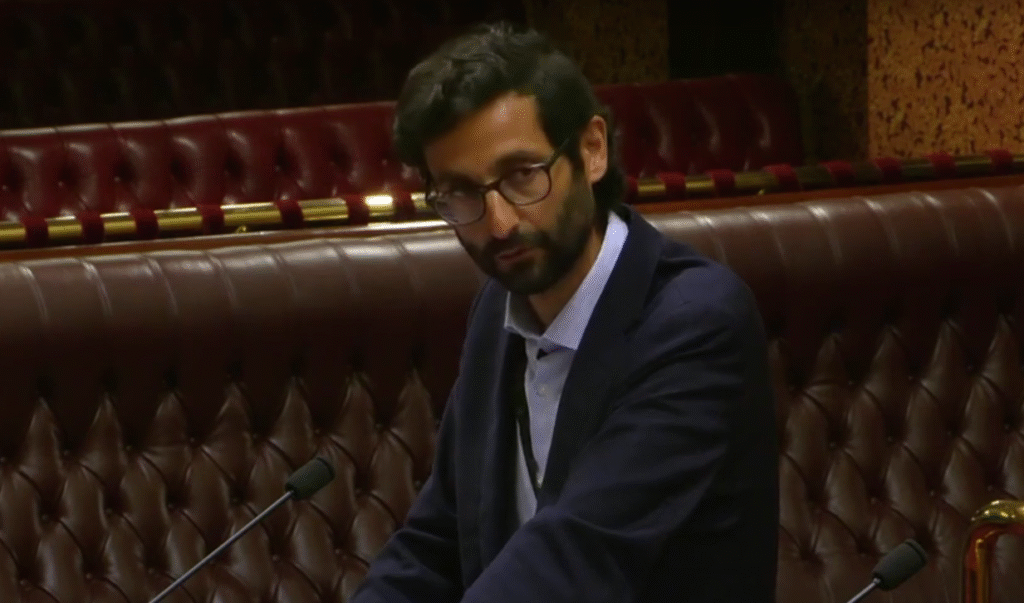
In a speech to the NSW Legislative Council, Labor MLC Bob Nanva cautioned against what he described as an effort by far-right groups to use patriotism as a vehicle to introduce more extreme ideas into the political mainstream. He referenced leaked audio, reported by The Sydney Morning Herald, in which an organiser outlined a progression from protecting “Australian culture” to protecting “white heritage.”
Nanva argued this demonstrated how ordinary civic pride could be redirected toward racial exclusion. He also highlighted comments from rally speakers who referred to Australia’s “founding stock” and “Anglo-Celtic blood,” saying such language was unsettling for many Australians of non-European background.
The Broader Context
While Nanva expressed concern about the visibility of neo-Nazi groups at the rallies, he acknowledged that many attendees were present for other reasons. According to his remarks, some may have been union members, political party supporters, or simply individuals drawn by patriotic themes. He emphasised that these participants should not be blamed for being misled by what he called “hustlers and grifters” behind the rallies.
Values and Division
Nanva’s central message was a call for vigilance. He warned against allowing national symbols, such as the Australian flag, to be used as a cover for ideologies of division. “They do not share our Australian values,” he said, referring to organisers he believes are motivated by imported extremist ideas.
A Debate That Continues
The rallies and Nanva’s speech illustrate the complex debate surrounding migration, national identity, and extremism in Australia. While critics see the events as a worrying platform for racist rhetoric, supporters frame them as an opportunity to express concerns about cultural change and sovereignty.
Nanva’s intervention adds to a wider national conversation: how to safeguard free expression and legitimate political debate while resisting the normalisation of exclusionary or extremist ideologies.