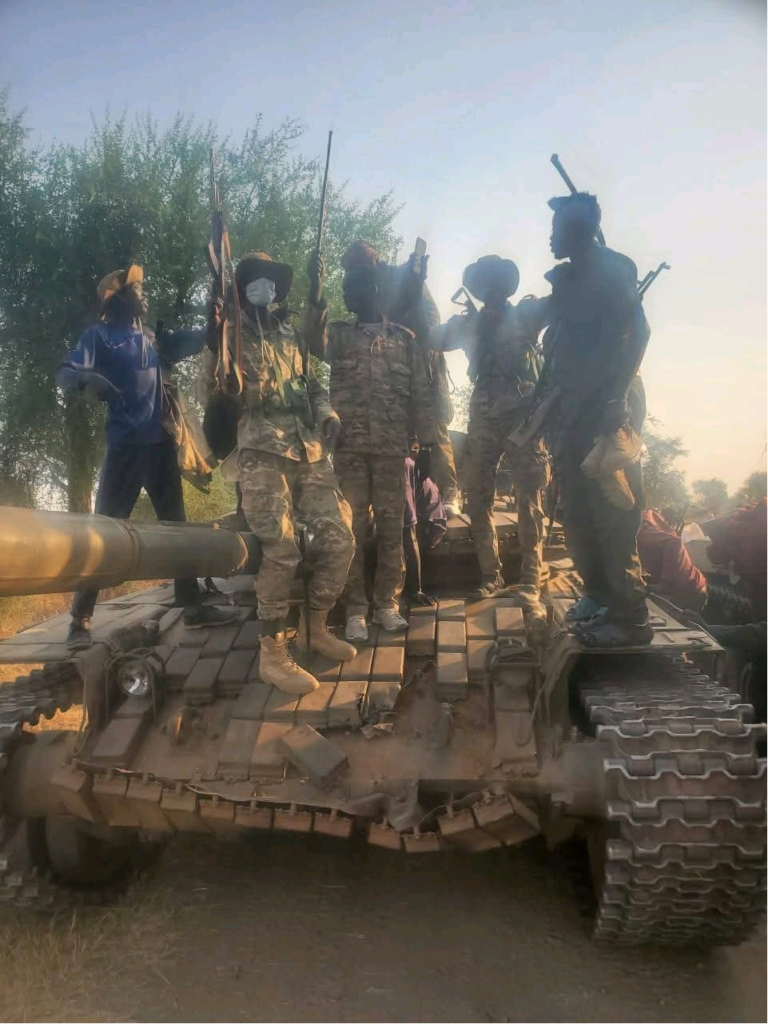













The Sudan People’s Liberation Movement-in-Opposition (Sudan People’s Liberation Movement-in-Opposition / SPLA-IO) has announced that its forces have captured Pajut, home to the largest South Sudan People’s Defence Forces (South Sudan People’s Defence Forces / SSPDF) military base in northern Jonglei State.
According to a statement released on Thursday by SPLA-IO military spokesperson Colonel Lam Paul Gabriel, the clashes erupted after what he described as advancing government forces moved towards SPLA-IO positions in the area. He said SPLA-IO fighters launched a pre-emptive attack, resulting in the capture of Pajut town and the overrunning of SSPDF positions.
Colonel Lam described Pajut as the largest SSPDF military barracks in northern Jonglei, calling its capture a “significant military victory” for the opposition forces. He congratulated SPLA-IO fighters for what he termed a successful operation against government troops aligned with the SPLM-IG.
In the same statement, the SPLA-IO issued a warning to humanitarian aid workers operating in government-controlled areas of Jonglei State, urging them to evacuate within 72 hours. The group also called for children and civilians living near SSPDF barracks to be moved immediately to safer locations.
Additionally, the SPLA-IO urged local administrators in designated areas to peacefully declare their allegiance to the movement, warning that failure to do so could have consequences. The statement comes amid reports that SPLA-IO forces are consolidating their positions in Pajut and preparing for a possible advance towards Jonglei State’s capital, Bor.
Meanwhile, the SPLA-IO renewed its demand for the immediate and unconditional release of its chairman and commander-in-chief, Riek Machar, along with seven other detained senior officials. Those named include the Minister for Petroleum, Hon Puot Kang, and the SPLA-IO Chief of General Staff, General Gabriel Duop Lam.
The movement reiterated that the continued detention of its leadership undermines peace efforts and escalates tensions across the country, calling on regional and international actors to intervene.