













Arabic version: دراسة جديدة تكشف عن نقص في الإسكان الاجتماعي على الرغم من ازدهار البناء الأخير
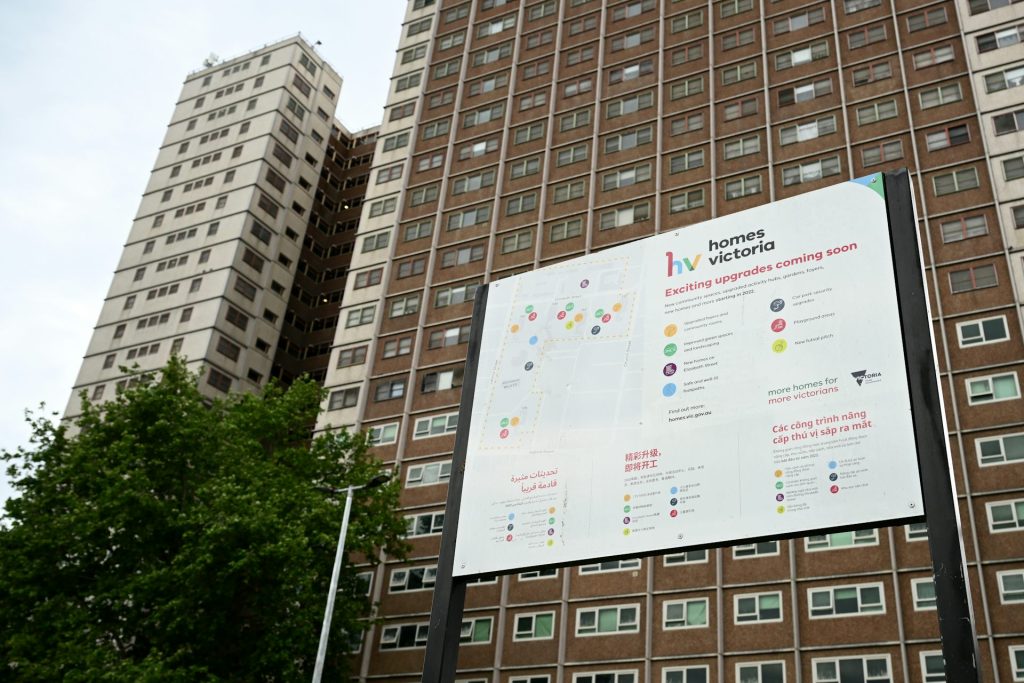
A recent study has highlighted that while 55,000 extra social housing homes are currently being constructed across the country, this expansion still falls short of the growing demand for affordable housing. The research emphasizes that despite the significant investment and efforts to increase social housing stock, the rate of construction is not keeping pace with the number of households in need.
Social housing has long been a critical component of addressing homelessness and providing stable accommodation for low-income families. The latest figures indicate that over 200,000 households are on waiting lists for social housing, a stark contrast to the number of homes being built. Experts argue that the current boom in construction, while a positive step, does not adequately address the urgent crisis faced by many communities.
The study points out that the construction of new homes is hindered by various factors, including rising material costs, labor shortages, and bureaucratic delays. These challenges have contributed to a significant backlog in housing development, which is exacerbated by increasing population pressures in urban areas.
Advocates for social housing stress the importance of not only increasing the quantity of homes but also ensuring that these homes are accessible and meet the needs of diverse populations. Many of the new projects are reportedly focused on larger cities, leaving rural and suburban areas underserved. This geographical imbalance raises concerns about equity in housing access across different regions.
Additionally, the report calls for a more integrated approach to housing policy, which includes collaboration between government agencies, private developers, and community organizations. By fostering partnerships, stakeholders can better address the multifaceted challenges of housing supply and affordability.
As discussions around social housing continue, the study serves as a crucial reminder of the ongoing need for comprehensive strategies that prioritize both quantity and quality in housing provision. Policymakers are urged to consider long-term solutions that not only focus on immediate construction goals but also address the systemic issues that contribute to the housing crisis.
In conclusion, while the construction of 55,000 new social housing homes is a commendable initiative, the findings from this study underscore the pressing need for a more robust and holistic approach to housing policy. Without significant changes and increased investment in affordable housing, many families will remain at risk of homelessness, highlighting an urgent call to action for government officials and community leaders alike.