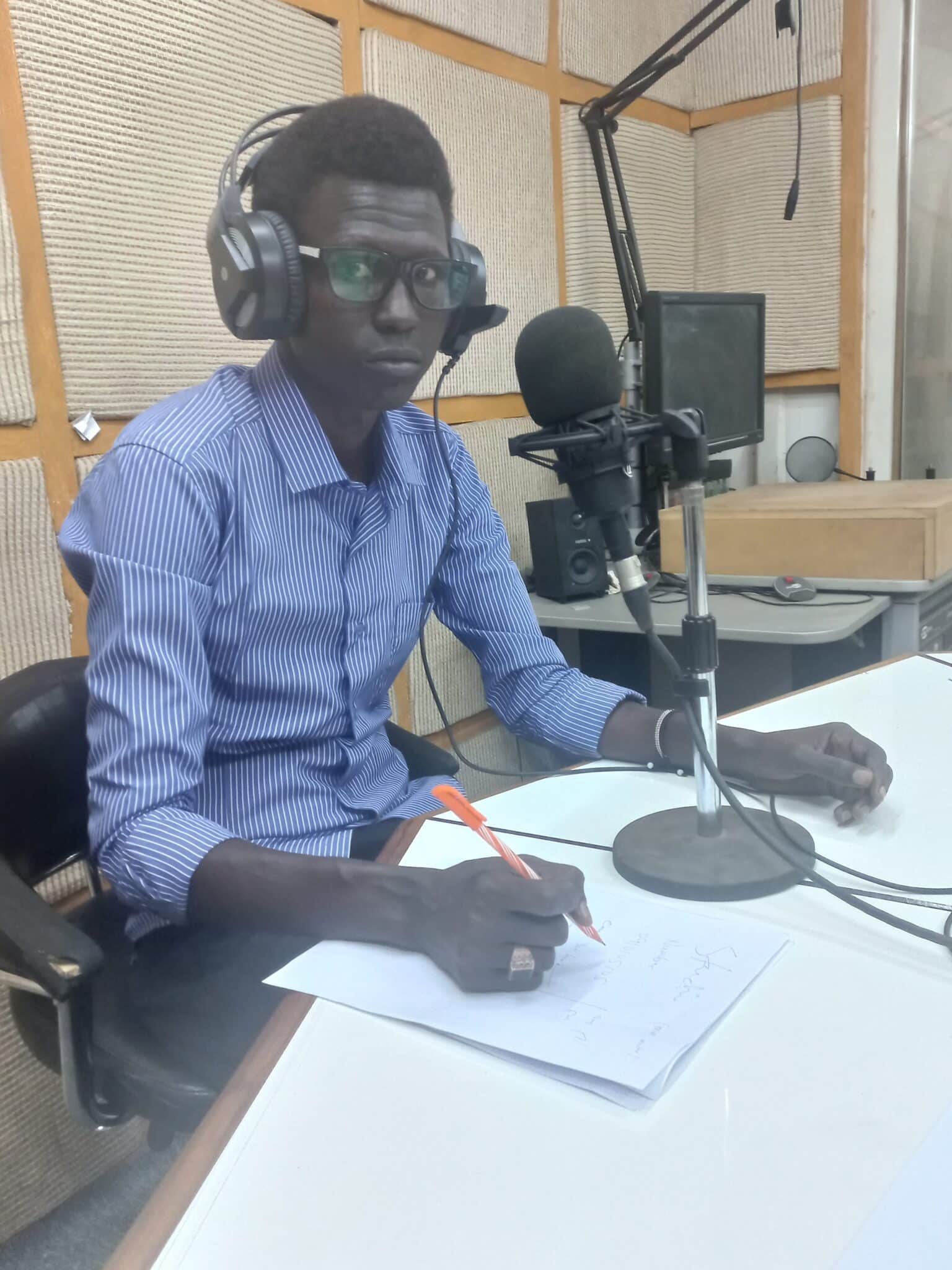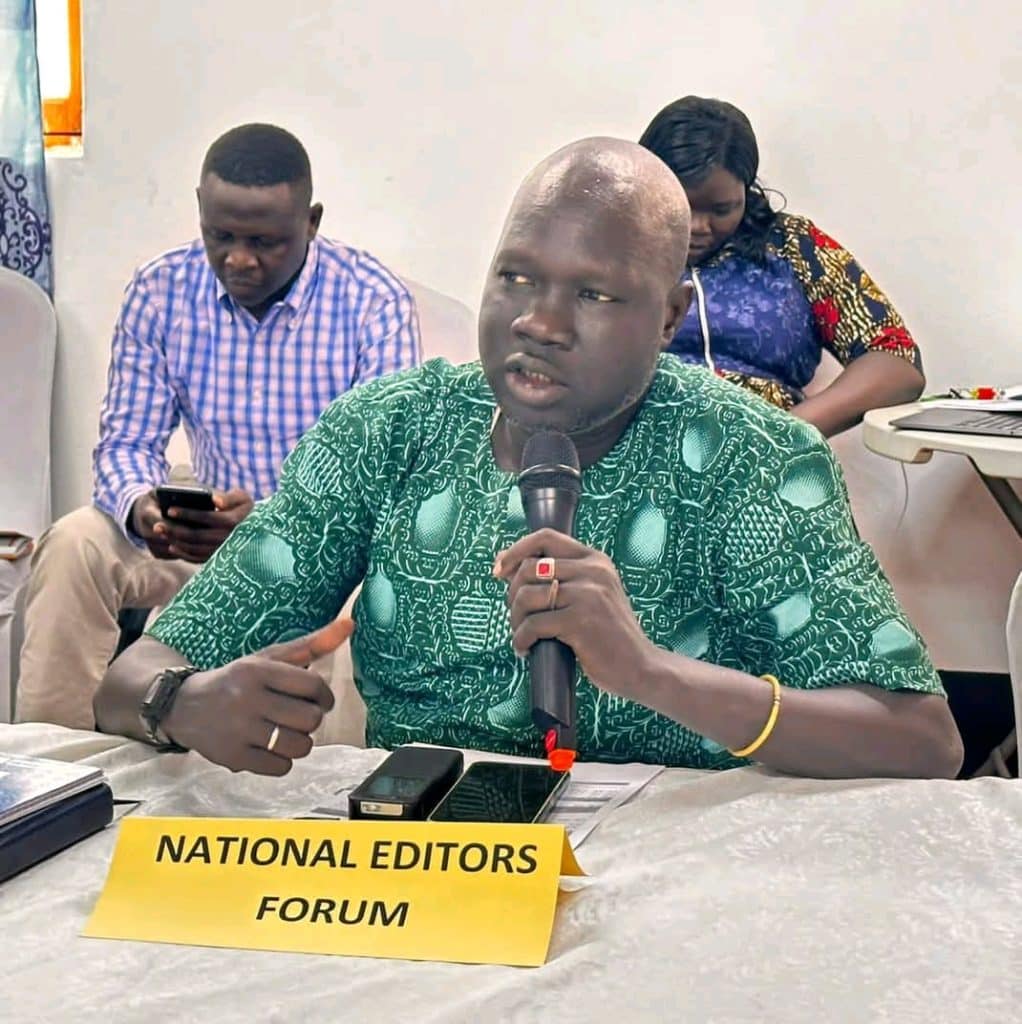














The future of education in South Sudan is increasingly under threat as teachers continue to face severe financial and professional challenges, according to educator and academic Emmanuel Rundial Wicgong Wal.
With years of experience teaching across eight secondary schools in the country’s three regions, and now serving as an academic staff member at Rumbek University of Science and Technology, Wal offers a sobering insight into the realities confronting educators on the ground.
He warns that teachers are enduring intense financial strain that is affecting not only their livelihoods but also their physical and mental wellbeing. If the situation remains unresolved, he cautions, the consequences could be devastating.
“Many schools may be forced to shut down,” he explains. “Without teachers, there can be no learning.”
A key driver of the growing crisis is inadequate pay. Teachers are struggling to survive on salaries that fail to keep up with the rising cost of living. Even more concerning is the frequent delay in salary payments, with some educators going months without receiving income. For many, this uncertainty makes it impossible to provide for their families.
Housing is another pressing issue. In numerous cases, schools do not provide accommodation for staff, leaving teachers to cover rent from already insufficient and often delayed wages. Basic welfare support is also lacking. Some schools do not provide meals, adding further financial pressure on educators who are already stretched thin.
Transportation costs present yet another hurdle. Many teachers cannot afford daily travel to schools located far from where they live. This makes regular attendance difficult and discourages continued service in remote areas where teachers are often needed most.
Beyond financial hardship, the profession is also losing appeal due to limited opportunities for career advancement. According to Wal, many schools do not support teachers in pursuing further studies or professional development. As a result, those seeking growth are often left with little choice but to leave the profession altogether.
While multiple factors contribute to the exodus of educators, Wal believes low pay remains the most significant.
“No one can continue working while being underpaid,” he says. “When better opportunities arise, teachers are naturally drawn to them.”
This reality has led many to seek employment with non-government organisations, where financial stability is often more reliable. In a country grappling with chronic liquidity shortages, delayed public sector salaries have become a recurring issue, pushing civil servants — including teachers — to consider alternative career paths.
Wal also acknowledges growing frustration among educators who feel overlooked.
“If teachers were receiving the necessary support, stronger efforts would be made to address their challenges,” he notes.
The ongoing strain on South Sudan’s education workforce raises urgent questions about the sustainability of the system. Without meaningful intervention, the departure of teachers could leave lasting gaps in the nation’s classrooms, with long-term implications for future generations.