












Arabic version: دول الخليج تستدعي القوة القاهرة بسبب اضطرابات الشحن
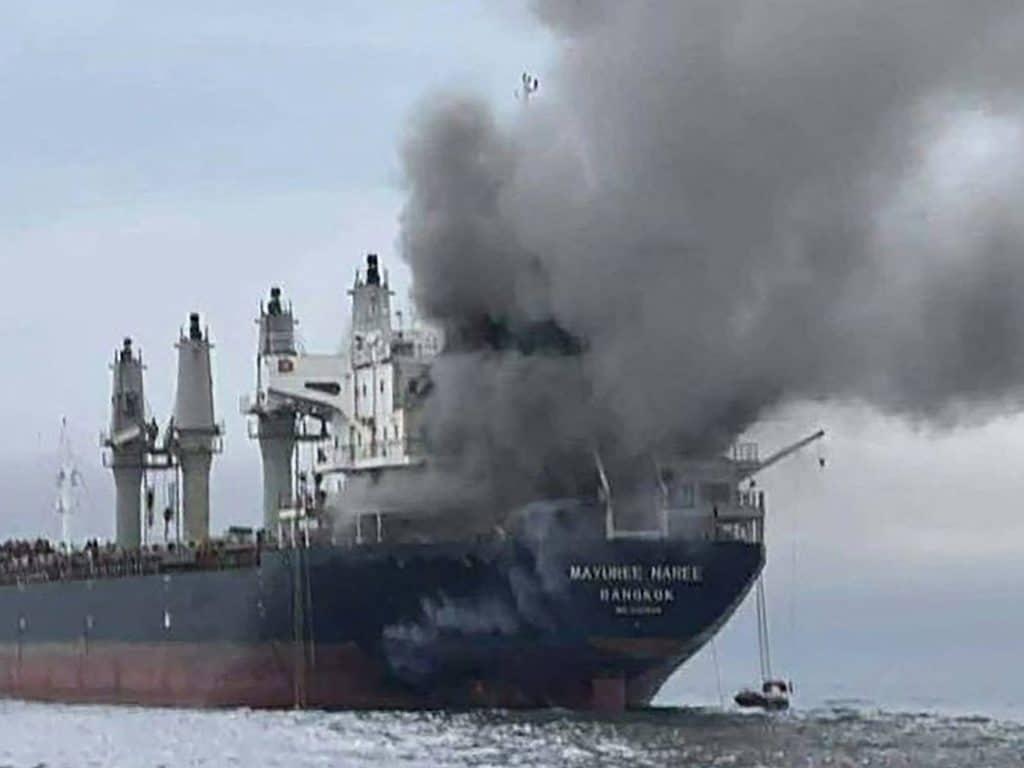
Gulf countries, including Qatar, Bahrain, and Kuwait, have declared force majeure on gas exports due to the ongoing US-Israel war on Iran, which has led to significant disruptions in shipping through the Strait of Hormuz. QatarEnergy was among the first to halt production on March 2, triggering a ripple effect in global energy markets. Following Qatar, Kuwait Petroleum Corporation and Bahrain’s Bapco Energies also paused operations, while India implemented emergency measures to redirect gas supplies to priority sectors.
According to Al Jazeera, oil prices surged to more than $100 a barrel as the conflict escalated and uncertainty regarding energy shipments intensified. The invocation of force majeure allows companies to suspend their obligations without facing penalties, as they grapple with the inability to fulfill contracts due to the ongoing military strikes and threats to shipping routes.
The declaration of force majeure is significant because it reflects the severe impact of the conflict on global LNG markets. With Qatar accounting for nearly 20% of global LNG supply, the halt in production has already led to increased gas prices and anticipated shortages. Analysts predict that the lack of clarity regarding the conflict’s duration will keep prices volatile, potentially leading to substantial economic consequences for energy-dependent countries.
In addition to Gulf countries, India has also invoked force majeure to manage domestic gas supplies, prioritizing critical sectors like households and power generation. This move underscores the difficult decisions facing nations reliant on LNG imports, as they navigate the challenges posed by disrupted shipments and rising prices. As the situation evolves, the implications for global energy markets remain uncertain.