













Arabic version: الرئيس الفلبيني يعلن حالة طوارئ طاقة بسبب أزمة الوقود
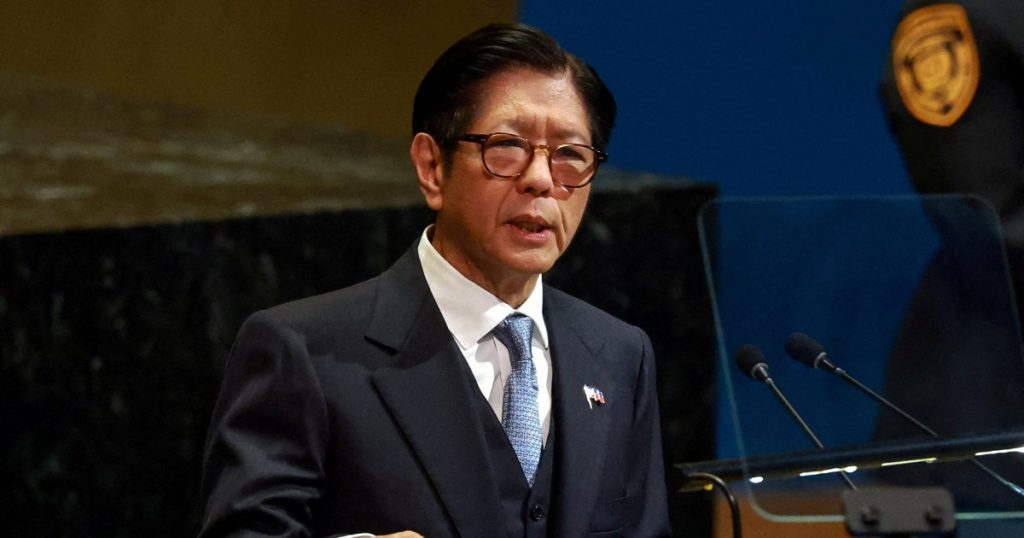
Philippine President Ferdinand Marcos Jr has declared a national energy emergency in response to the US-Israel war on Iran and what he called the “imminent danger” posed to the country’s energy supply. The emergency declaration on Tuesday came as Philippine transport workers, commuters and consumer groups plan to hold a two-day strike from Thursday to protest the increase in fuel prices and what they say is the Marcos administration’s failure to swiftly respond. According to Al Jazeera, the declaration will remain in effect for one year and allows the government to implement measures to address risks to the energy supply and economy.
As part of the emergency response, a committee has been formed to ensure the orderly movement, supply, distribution and availability of fuel, food, medicine, agricultural products and other essential goods, he said. The government is also authorized to procure fuel and petroleum products and take action against hoarding and price manipulation. Energy Secretary Sharon Garin confirmed that the country still had about 45 days of fuel supply, based on current consumption levels, and that efforts are underway to procure 1 million barrels of oil from countries within and outside Southeast Asia to build a buffer stock.
Philippine Ambassador to the US Jose Manuel Romualdez told the Reuters news agency that Manila is working with Washington to secure exemptions that would allow for the purchase of oil from countries under US sanctions. However, transport unions and some senators have criticized the government’s response, arguing it lacks a unified and coordinated action to mitigate the fallout from the surge in oil prices. The federation of public transport associations, Piston, described the declaration of a national energy emergency as a “superficial band-aid that deliberately ignores the structural roots of the fuel crisis”.
Activists have called for the suspension of excise and value-added taxes on petroleum products to lower prices significantly. They argue that the government’s measures, including monitoring profiteering and providing subsidies, do not adequately address the rising costs that affect transport workers and commuters. In response to the crisis, the government is offering free bus rides in some cities and a subsidy of 5,000 pesos ($83) to motorcycle taxi drivers and other public transport workers nationwide to help them cope with soaring gasoline and diesel prices.