













Arabic version: ترامب يعلن عن احتمال انتهاء الصراع مع إيران خلال أسابيع
According to Al Jazeera,
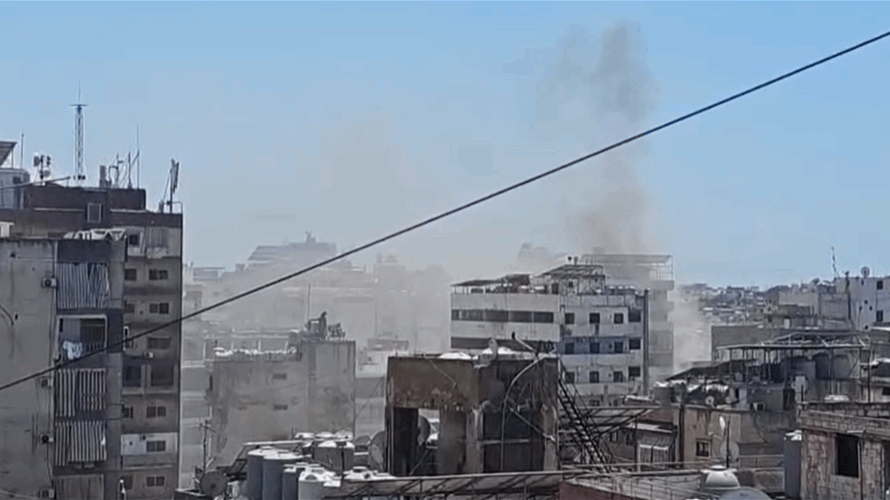
President Donald Trump has said the United States could stop attacking Iran within two to three weeks and that a deal is not necessary to end a war that has disrupted energy supplies and shaken the global economy. His comments came as Iranian Minister of Foreign Affairs Abbas Araghchi told Al Jazeera on Tuesday that no negotiations are going on with Washington despite direct and indirect exchanges of messages, nearly five weeks after the US and Israel began attacking Iran.
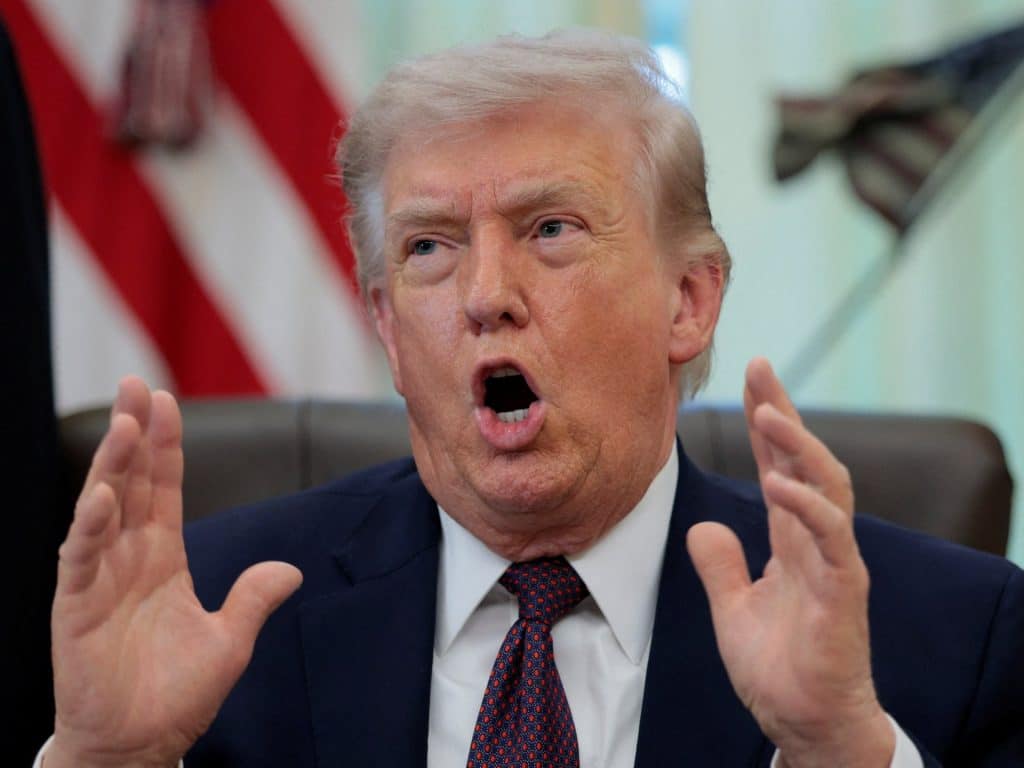
Trump, who previously claimed that Iran was engaged in negotiations and “begging” for a deal, appeared to change his tune on Tuesday on the alleged diplomatic drive, saying the US would be “leaving very soon”. “Iran doesn’t have to make a deal, no,” he said when asked by reporters at the White House if successful diplomacy was a prerequisite for the US to wind down the conflict, adding that it could be “maybe two weeks, maybe three” until the exit.
As the war escalates, domestic fuel prices in the U.S. have surged, surpassing an average of $4 a gallon as a result of Iran’s attacks on Gulf oil facilities and its continued squeezing of fuel supplies through the Strait of Hormuz. Trump has criticized allied nations like the United Kingdom for their reluctance to participate in military efforts to secure oil supply routes through the Strait of Hormuz. In a post on Truth Social, he urged allies to either procure fuel from the U.S. or take a more active role in the conflict.
UK Defence Secretary John Healey addressed the criticism, insisting during a trip to Qatar that his country remained a key ally of the US. Meanwhile, Trump also expressed frustration towards France for being “VERY UNHELPFUL”, particularly in not letting “planes headed to Israel, loaded up with military supplies, fly over French territory”. French officials have reiterated their position against using their bases for attacks on Iran, maintaining that their stance has remained unchanged throughout the conflict.
Experts caution that the timeline suggested by Trump may not reflect the complexities of the situation. Trita Parsi, a foreign policy expert on Iran at the Quincy Institute, noted that the U.S. is no longer in control of the conflict, which has resulted in significant casualties. He emphasized the need for genuine negotiations rather than coercive tactics to resolve the ongoing crisis.