












Arabic version: ناقلات النفط تعبر مضيق هرمز خلال الهدنة الأمريكية الإيرانية
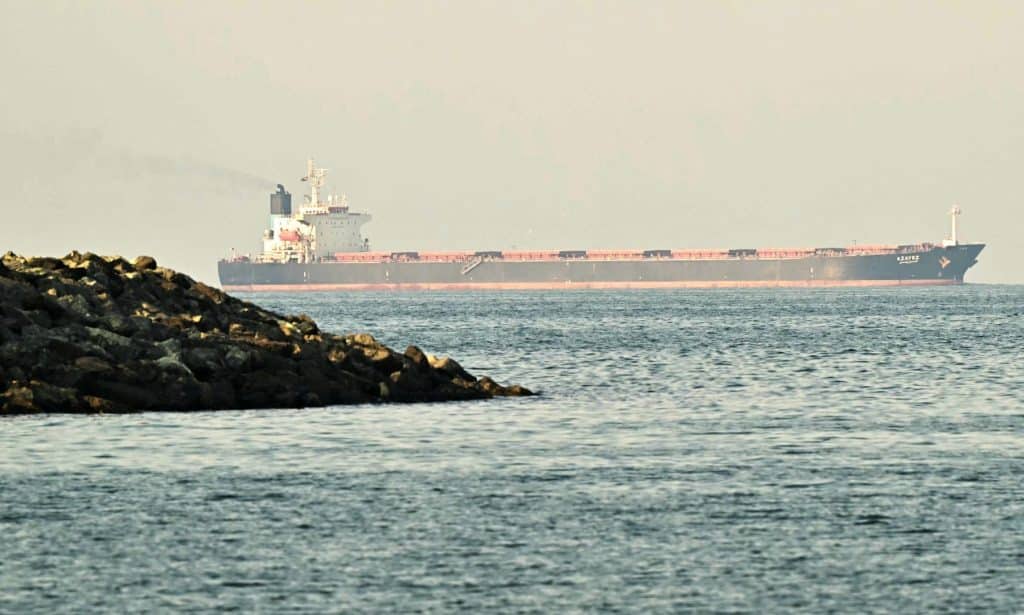
Three supertankers laden with oil have passed through the Strait of Hormuz as a fragile truce between the United States and Iran continues. This passage is significant given that the strait serves as a critical chokepoint for about 20 percent of global oil and liquefied natural gas shipments. The situation has been tense since the onset of the US and Israel’s conflict with Iran at the end of February, which led to Iran’s blockade of the strait, disrupting global energy supplies and causing oil prices to soar.
The Liberia-flagged Very Large Crude Carrier (VLCC) Serifos, along with two China-flagged VLCCs, Cospearl Lake and He Rong Hai, exited the “Hormuz Passage trial anchorage” on Saturday. This anchorage bypasses Iran’s Larak Island, allowing for safer navigation. Each of these vessels is capable of carrying 2 million barrels of oil. The Serifos, chartered by Thai state-owned energy firm PTT, is expected to arrive at Malaysia’s Malacca Port on April 21, according to data from the London Stock Exchange Group (LSEG).
In addition to the tankers that have successfully transited, hundreds remain stuck in the Gulf, awaiting clearance during the current two-week ceasefire period. Three empty tankers, Mombasa B, Agios Fanourios I, and Shalamar, were noted to be sailing in the strait with intentions to enter the Gulf and load oil. The Malta-flagged Agios Fanourios I is reported to be heading to Iraq to load Basrah crude for Vietnam.
While the ceasefire offers a temporary reprieve for oil shipping routes, uncertainties remain regarding the future of navigation through this strategic waterway. The ongoing conflict and geopolitical tensions continue to pose risks for global energy markets, as evidenced by the backlog of tankers still waiting to navigate through the strait. According to Al Jazeera, the situation remains fluid as stakeholders monitor developments closely.