












Arabic version: مجالس الإقليم الشمالي تواجه تخفيضات في الخدمات بسبب ارتفاع أسعار الكهرباء
Northern Territory councils fear they may need to cut community services and programs to cope with rising power prices. According to ABC News, the impending price hikes are part of an electricity tariff reform program announced by the NT government last year, which is set to impact local councils starting July 1 this year.
Darwin City Council (DCC) is particularly worried about the financial implications. Lord Mayor Peter Styles indicated that the hikes could force the council to reduce services, such as library trading hours and nighttime lighting for sports events. “We are unable to go into deficit, so we will have to cut services to meet our budget,” Styles stated.
DCC chief executive Simone Saunders highlighted that the expected increase in electricity costs would amount to nearly half a million dollars, which translates to a potential half-a-percent rise in rates for residents. She emphasized that these hikes could hinder the council’s ability to support key community initiatives, including crime prevention efforts.
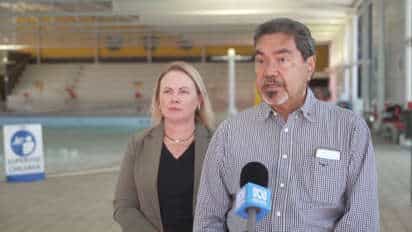
The Local Government Association of the Northern Territory (LGANT) has noted that remote councils may be hardest hit by the power price increases. President Peter Pangquee mentioned that some councils are contemplating suspending essential programs for families, youth, and health services as a means to cope. He stressed that it is the local communities that will ultimately suffer from these cuts.
In Alice Springs, where the town pool’s opening hours are already reduced through the cooler months, the upcoming price hikes may further restrict access to such facilities. Pangquee called for better communication and consultation from the NT government regarding the proposed changes, expressing a desire for a more collaborative approach.
Both Saunders and Pangquee have urged the NT government to reconsider the timing of the price increases, suggesting a delay to allow councils to adjust their budgets accordingly. They also proposed the need for government grants to help offset the additional costs that the councils will incur due to the price hikes.