














Arabic version: الاتحاد الأوروبي يتقدم في قرض أوكرانيا والعقوبات الإسرائيلية بعد أوربان
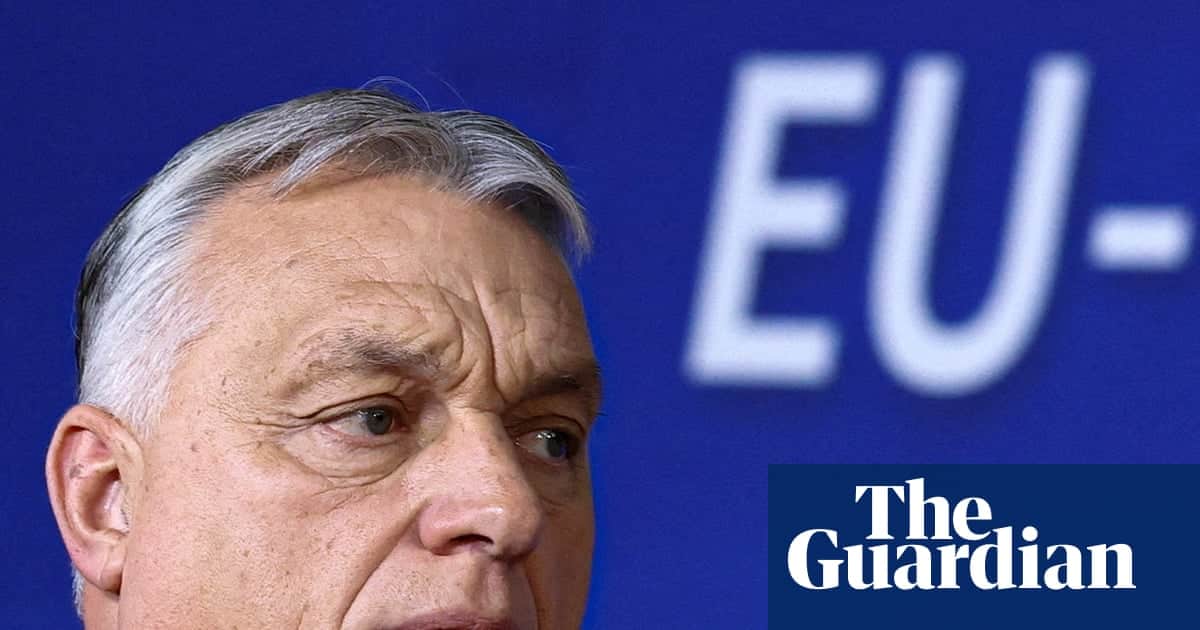
European Union officials anticipate significant advancements this week concerning Ukraine and Israel following the ousting of Hungarian Prime Minister Viktor Orban, who had previously obstructed these initiatives. According to Al Jazeera, Orban’s removal paves the way for the EU to potentially release a €90 billion ($106 billion) loan to Ukraine and impose sanctions on violent Israeli settlers.
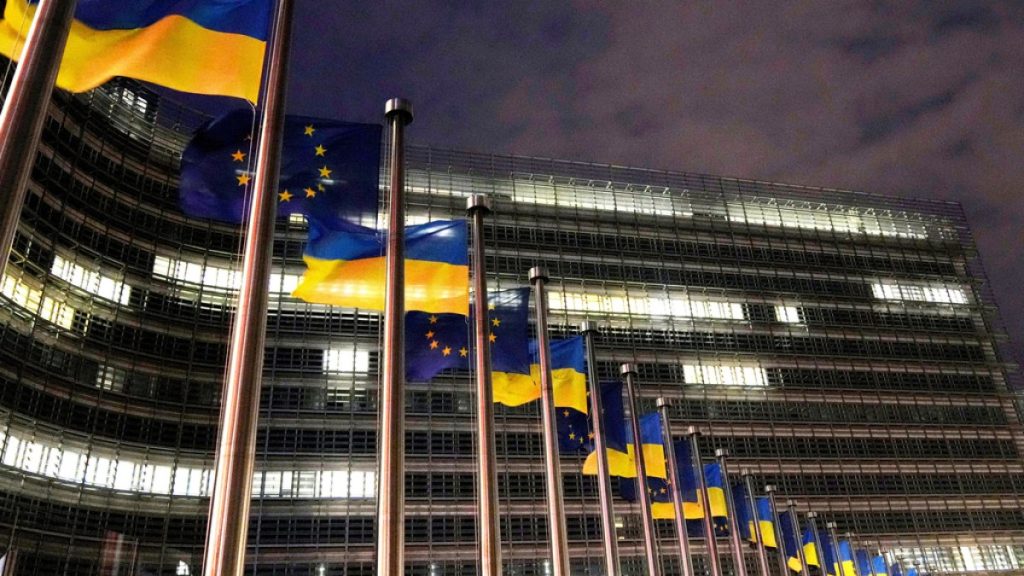
The loan, crucial for Ukraine as it defends against Russia’s invasion, is expected to be discussed during a meeting on Wednesday, as stated by Cyprus, which holds the EU’s rotating presidency. A spokesperson mentioned that the necessary amendments to facilitate the loan will be on the agenda, reflecting the recent political changes in Hungary.
Orban had previously leveraged the loan as a bargaining chip in a dispute with Kyiv over Russian oil supplies through the Druzhba pipeline. However, with the new leadership under Peter Magyar, who has expressed a willingness to collaborate with the EU, the disbursement process is likely to accelerate. Ukrainian President Volodymyr Zelenskyy has also indicated that the pipeline could resume operations by the end of April, further facilitating the loan’s approval.
On the Israeli front, EU foreign policy chief Kaja Kallas announced that the bloc would review potential measures against Israel, including a possible suspension of the EU’s cooperation agreement and sanctions on Israeli settlers in the occupied West Bank. Spanish Prime Minister Pedro Sanchez has been advocating for the suspension of the cooperation agreement, which is scheduled for discussion at the upcoming foreign ministers’ meeting in Luxembourg.
The political shift in Hungary, which had previously seen Orban veto sanctions against Israeli settlers, increases the likelihood of the EU moving forward with these measures. Kallas noted that the recent elections could lead to a reassessment of policies regarding Israel, although consensus among major EU nations would still be necessary for any significant changes.