














Arabic version: ساعات احتُفِي بها لتأثيرها على السينما المثلية
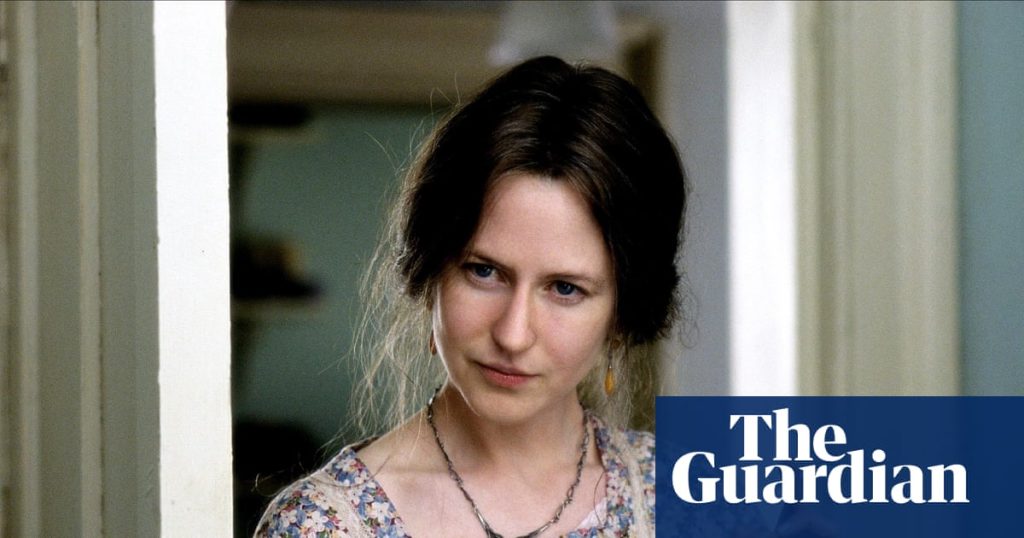
The 2002 film The Hours, directed by Stephen Daldry, has been hailed as a landmark in queer cinema, particularly for its nuanced portrayal of women’s struggles with identity and societal expectations. The film, which earned Nicole Kidman an Academy Award for her role as Virginia Woolf, explores the interconnected lives of three women across different time periods, each grappling with their own challenges.
According to The Guardian, the film is based on Michael Cunningham’s Pulitzer Prize-winning novel, which draws inspiration from Woolf’s 1925 classic, Mrs. Dalloway. The narrative follows Woolf during her writing process, a housewife named Laura Brown in postwar America, and Clarissa Vaughan, a modern-day New Yorker embodying Woolf’s character. The film’s exploration of a single day reveals the beauty and oppression found in routine and domestic life.
Each character’s journey highlights the constraints imposed by a patriarchal society, where the roles of wife and mother often overshadow personal identity. Kidman’s portrayal of Woolf is particularly striking, as she channels her own emotional turmoil during her divorce from Tom Cruise into Woolf’s complex psyche. Julianne Moore and Meryl Streep also deliver powerful performances, with Streep’s character facing emotional vulnerability in a memorable breakdown scene.
Critically acclaimed for its stellar cast and Philip Glass’s evocative score, The Hours has a special resonance within the queer community. The film’s sympathetic depiction of queer sexuality across the 20th century captures the tension between personal desire and societal norms. Each protagonist’s journey reflects the liberating yet terrifying experience of discovering one’s queerness.
The film’s non-linear structure, inspired by Woolf’s innovative writing style, further emphasizes its queer themes, challenging traditional storytelling conventions. As audiences continue to engage with The Hours, its impact on queer representation in cinema remains significant, making it a classic worth revisiting.