












Arabic version: هيكل القيادة في إيران يعتبر مشوهاً في التقارير الجديدة
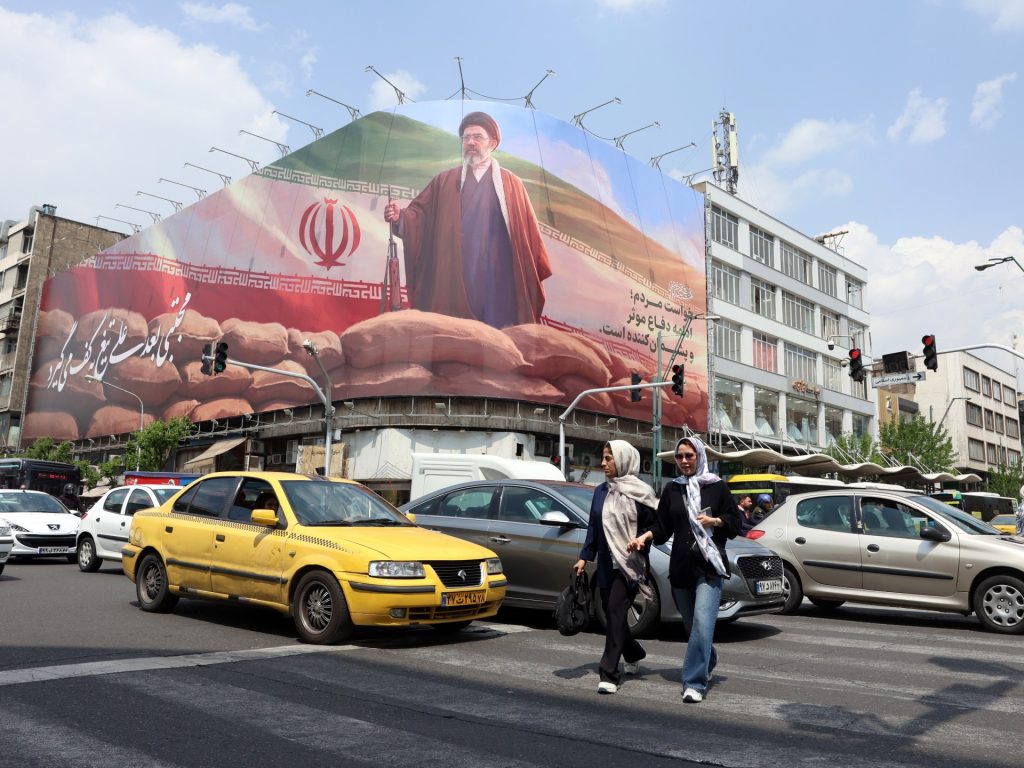
A recent article by The New York Times has stirred controversy regarding Iran’s leadership, particularly the condition of the new supreme leader, Ayatollah Mojtaba Khamenei. The piece, based on interviews with more than 20 Iranian officials, former officials, Revolutionary Guard members, and individuals close to Khamenei, describes him as gravely wounded but mentally sharp, communicating through handwritten notes. Critics argue that the sourcing lacks independent verification and presents a narrative that serves the Iranian regime’s interests. According to Al Jazeera, the article fails to adequately question the motivations behind the information provided by these officials.
The framing of Khamenei’s leadership as a shift from clerical moderation to military hardline is also under scrutiny. The author emphasizes that this perspective overlooks decades of Iranian history, where the clerical establishment has consistently aligned with military objectives. The piece suggests that the regime’s portrayal of a weakened leader may mislead Western policymakers, who might believe that hardliners are now in control. This could play into Tehran’s narrative, which the author argues is not reflective of the true dynamics within the Iranian power structure.
The article also addresses the implications of U.S. military actions against Iran, suggesting that these actions may have inadvertently empowered hardliners rather than pragmatists. The author contends that the longstanding conflict between Iran and the U.S. has been mischaracterized, arguing that Iran has been waging a form of war against American interests for decades. This historical context is crucial for understanding the current political landscape in Tehran.
In conclusion, the narrative surrounding Iran’s leadership and military influence is complex and often misrepresented in Western media. The author calls for a more nuanced understanding of the relationship between the clerics and the Islamic Revolutionary Guard Corps (IRGC), asserting that they have always worked towards the same goals. The current situation, characterized by military pressure, has left the regime with fewer options, but the underlying objectives remain unchanged.