













Arabic version: خبراء يحذرون من تداعيات اقتصادية نتيجة توقف محادثات الولايات المتحدة وإيران
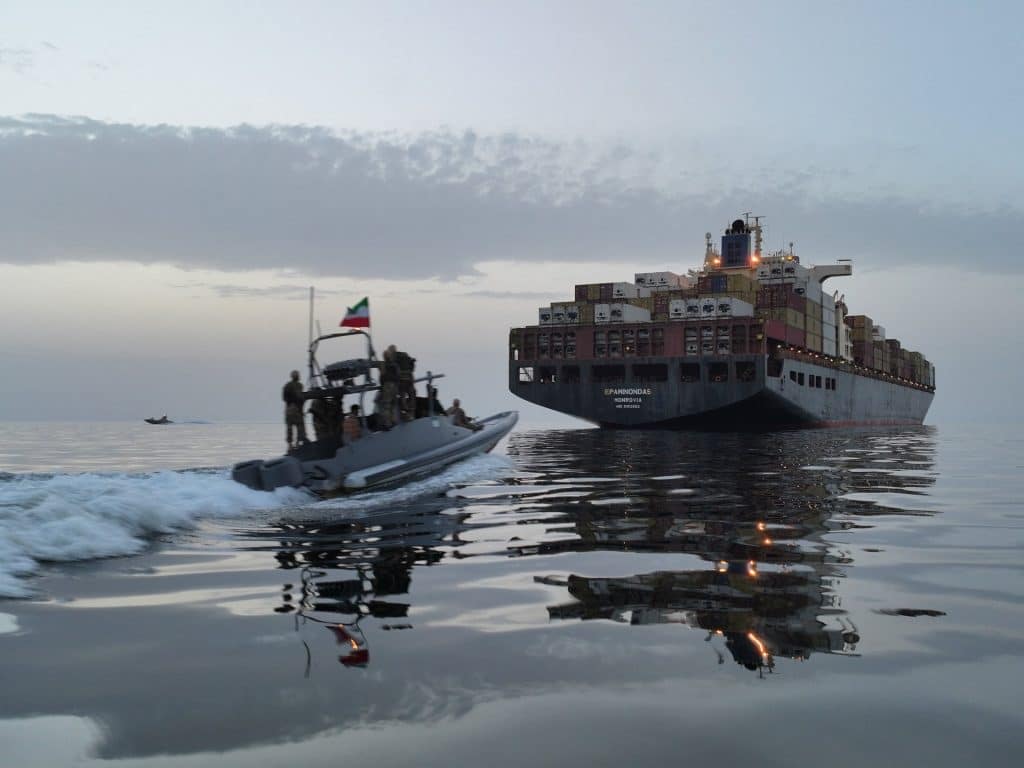
The ongoing conflict between the United States and Iran, now in its 60th day, shows no signs of resolution, leading experts to warn of significant long-term disruptions to the global economy. Negotiations between the two nations remain stalled as oil prices continue to soar, exacerbating inflationary pressures worldwide. According to Al Jazeera, the US and Israel initiated military action against Iran on February 28, prompting Tehran to close the strategic Strait of Hormuz, a vital passage for approximately 20 percent of the world’s oil and gas exports.
In response to Iran’s actions, the US has implemented a blockade aimed at preventing Iranian oil shipments, with the goal of forcing Iran to halt production. This standoff has contributed to a dramatic increase in oil prices, with West Texas Intermediate (WTI) crude reaching $100.09 per barrel, up from $67.02 prior to the conflict. Meanwhile, petrol prices in the US have surged to nearly $4.18 per gallon, the highest in almost four years.
Experts express concern that the economic repercussions of the conflict will extend beyond the immediate crisis. Rachel Ziemba, an adjunct senior fellow at the Center for a New American Security, noted that negotiations appear to be stuck, with no near-term resolution in sight. The rising energy costs are expected to influence inflation, with the consumer price index recently hitting 3.3 percent on an annual basis, its highest since May 2024.
The United Arab Emirates has also announced plans to leave the OPEC oil cartel effective May 1, a decision driven by its desire to increase oil production. However, this move is unlikely to alleviate current price pressures while the Strait of Hormuz remains closed. Analysts predict that the ongoing conflict will have lasting impacts on global shipping and commodity prices, further straining economies worldwide.
David Coffey, a supply chain consultant, warned that disruptions in the Strait of Hormuz will lead to long-term supply chain issues, affecting a wide range of industries, including manufacturing and pharmaceuticals. With no resolution in sight, companies are being forced to reconsider their supply sources, but alternatives to fuel remain limited, indicating that the economic fallout could worsen in the coming months.