












Arabic version: مالكو الأراضي الأصليون يؤمنون تعويضًا تاريخيًا بقيمة 150 مليون دولار أسترالي من عملاق التعدين
According to BBC News,
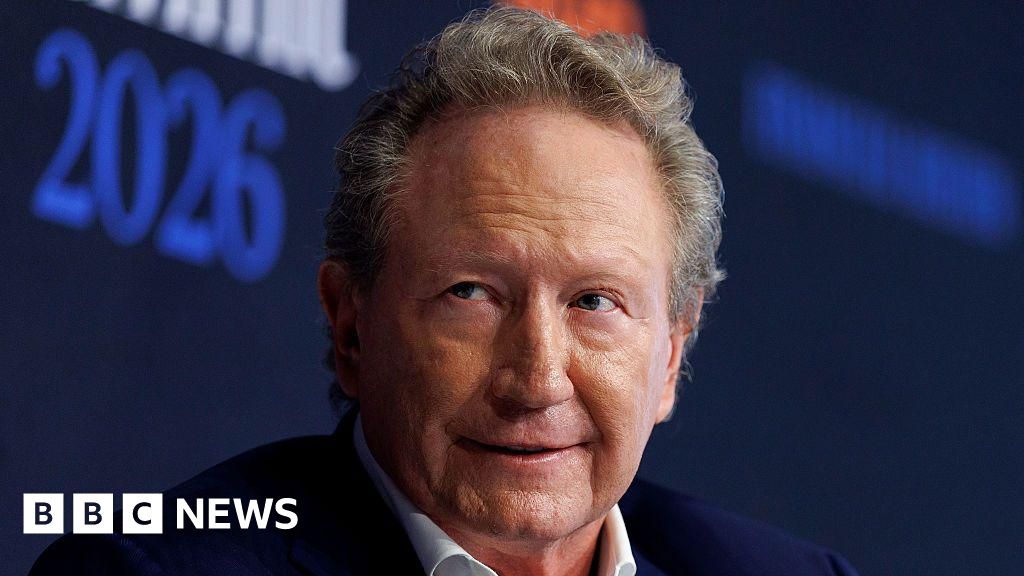
The Indigenous traditional owners of land in north-western Australia have been awarded a record A$150.1 million ($108.3 million) payout after a court ruled that billionaire Andrew Forrest’s mining company, Fortescue, mined their land without permission. This ruling marks the largest native title payout ever awarded in Australia, concluding a protracted legal battle with the Yindjibarndi people.
Since 2013, Fortescue’s mines have generated tens of billions of dollars in revenue by extracting iron ore from Yindjibarndi land in the Pilbara region. The Yindjibarndi group had sought A$1.8 billion in compensation, arguing that this amount represented 1% of the mines’ production value and addressed the loss of around 250 cultural sites.
Federal Court Justice Stephen Burley acknowledged the deep connection the Yindjibarndi have with their land, which affects all aspects of their lives. He found Fortescue liable for economic loss of A$150,000 and cultural loss amounting to A$150 million, describing this compensation as a remedy for loss or diminution of traditional attachment to the land.
The legal claim against Fortescue was first lodged in 2017 after the Yindjibarndi Ngurra Aboriginal Corporation (YNAC) was awarded exclusive native title rights over a 2,700-square kilometer area in the mineral-rich Pilbara region. Fortescue had previously established its Solomon Hub mines on this land without YNAC’s consent, leading to a nearly 20-year legal struggle that culminated in this landmark ruling.
Despite the historic payout, some Yindjibarndi elders expressed disappointment, with elder Wendy Hubert referring to the amount as “peanuts” compared to Fortescue’s immense earnings. The mining company is expected to continue its operations in the area for at least another decade, with the mine projected to close in the mid-2040s.