













Reading in English | Read in العربية (Arabic)
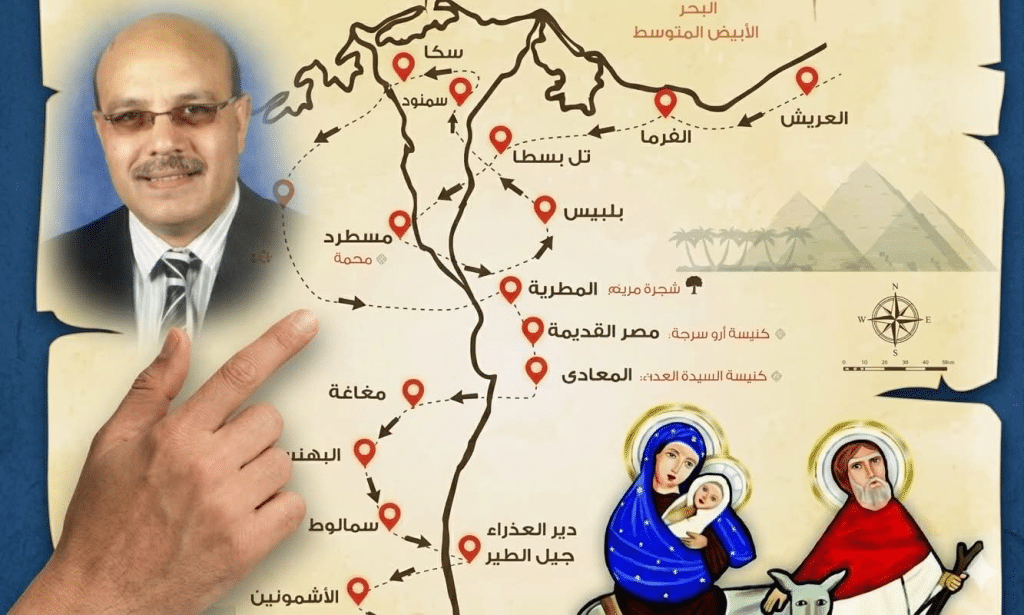
The Egyptian House of Representatives has overlooked the leadership of the Coptic Orthodox Church, represented by the Holy Synod under the guidance of His Holiness Pope Tawadros II, in the discussion of the currently proposed project known as the “Holy Family Path Law.” This proposal, put forth by a member of parliament, concerns several monasteries and churches overseen by bishops and the heads of dioceses.
The referral of this bill and the establishment of a higher authority to manage it by the Tourism Committee in parliament, without consulting the Church, is seen as a disregard for Christian religious leadership at all levels. It is viewed as a moral, cultural, and historical violation of Christian sanctities and spirituality in Egypt, perpetrated by a state institution. This has sparked outrage among many church leaders and those concerned with Coptic affairs, both in Egypt and abroad.
Egyptian churches and monasteries, especially the ancient ones, serve as significant tourist destinations for foreign visitors. They are home to priests and monks with extensive knowledge and experience in Coptic Church history and its sanctity. These spiritual leaders guide individuals and tourist groups on internal trips organized by tourism companies in coordination with church leadership, showcasing the religious and historical importance of the sites, including their artifacts, icons, and the relics of saints.
Certainly, the Coptic Orthodox Church, which has owned these sacred churches and monasteries for centuries, will not accept the encroachment of state institutions through the insidious “Holy Family Path Law.” This law appears to aim at gradually converting these sites into museums over time, reminiscent of Turkish President Recep Tayyip Erdoğan’s action of converting the Hagia Sophia into a mosque. The proposed law includes provisions that could turn these sites into investment projects, such as Article 3, which states that “the resources of the authority include entry fees, services, and revenues from the investment of lands and establishments under its jurisdiction, in addition to donations and grants.”
Moreover, there are concerns about the ambitions of corrupt individuals and influential figures seizing land around the monasteries, transforming it into tourist and commercial areas frequented by street vendors, exposing tourists to scams, harassment, and potential dangers. These locations could become legitimate targets for extremist terrorist organizations, similar to the 2018 terrorist attack on a bus heading to the St. Samuel Monastery in Minya, aimed at undermining religious tourism.