












Arabic version: نشطاء يستهدفون عملاء إدارة الهجرة بنداءات أخلاقية في حملة جديدة
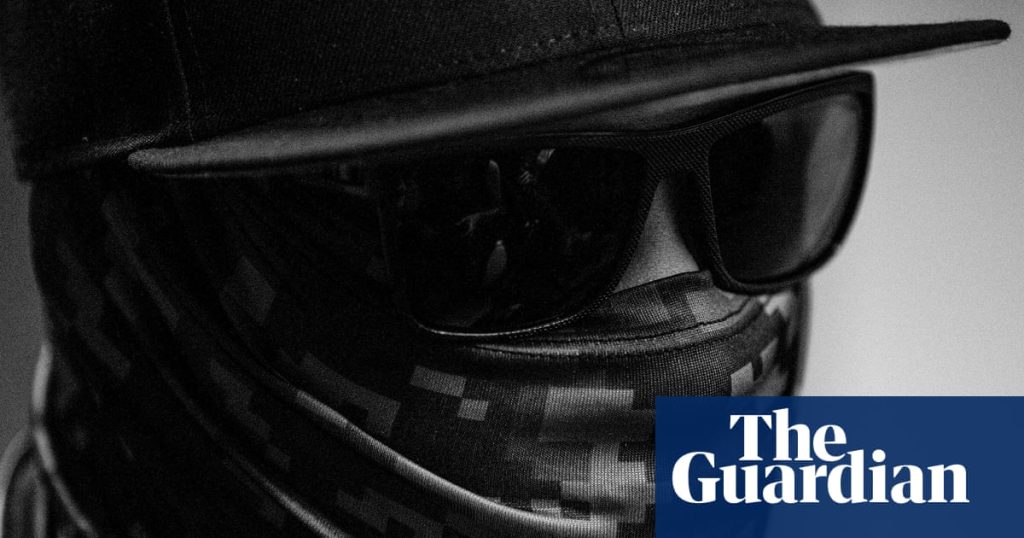
A new advertising campaign by Women’s March is aiming to reach ICE agents and potential recruits by appealing to their moral sensibilities. The ads, which began running in November 2025 in cities like Charlotte, North Carolina, and Palm Beach, Florida, feature a poignant narrative that juxtaposes a child’s innocence with the harsh realities of ICE’s actions against immigrants. According to The Guardian, the campaign urges agents to reconsider their roles, emphasizing that “a mask can’t hide you from your neighbors, your children and God.”
Rachel O’Leary Carmona, executive director of Women’s March, stated that women have been “the tip of the spear” in anti-ICE organizing. Following the shooting of US citizen Renee Good by an ICE officer, the group intensified its efforts to challenge the agency’s practices. The ads now reach broader markets, including El Paso, Miami, Atlanta, and New Jersey, targeting areas where ICE’s presence is strongly felt.
Activists are divided on how best to appeal to ICE agents, with some focusing on compassion while others emphasize feelings of guilt and shame. Peter Pedemonti, director of the New Sanctuary Movement of Philadelphia, believes that shame can be a powerful tool for encouraging reflection among agents. His organization has been conducting weekly vigils to pray for families affected by ICE and for the agents themselves, hoping to inspire a change of heart.
The concept of “moral injury” has been discussed in relation to the psychological impacts of such work, drawing parallels with the experiences of veterans. Experts note that feelings of guilt and shame can lead to long-lasting mental health issues, suggesting that ICE agents might also experience similar emotional turmoil as they navigate their roles within the agency. This campaign seeks to confront that complexity, aiming for a transformation in both perception and action regarding immigration enforcement.