













Arabic version: إيران تشير إلى الجاهزية العسكرية مع تعثر المفاوضات الأمريكية
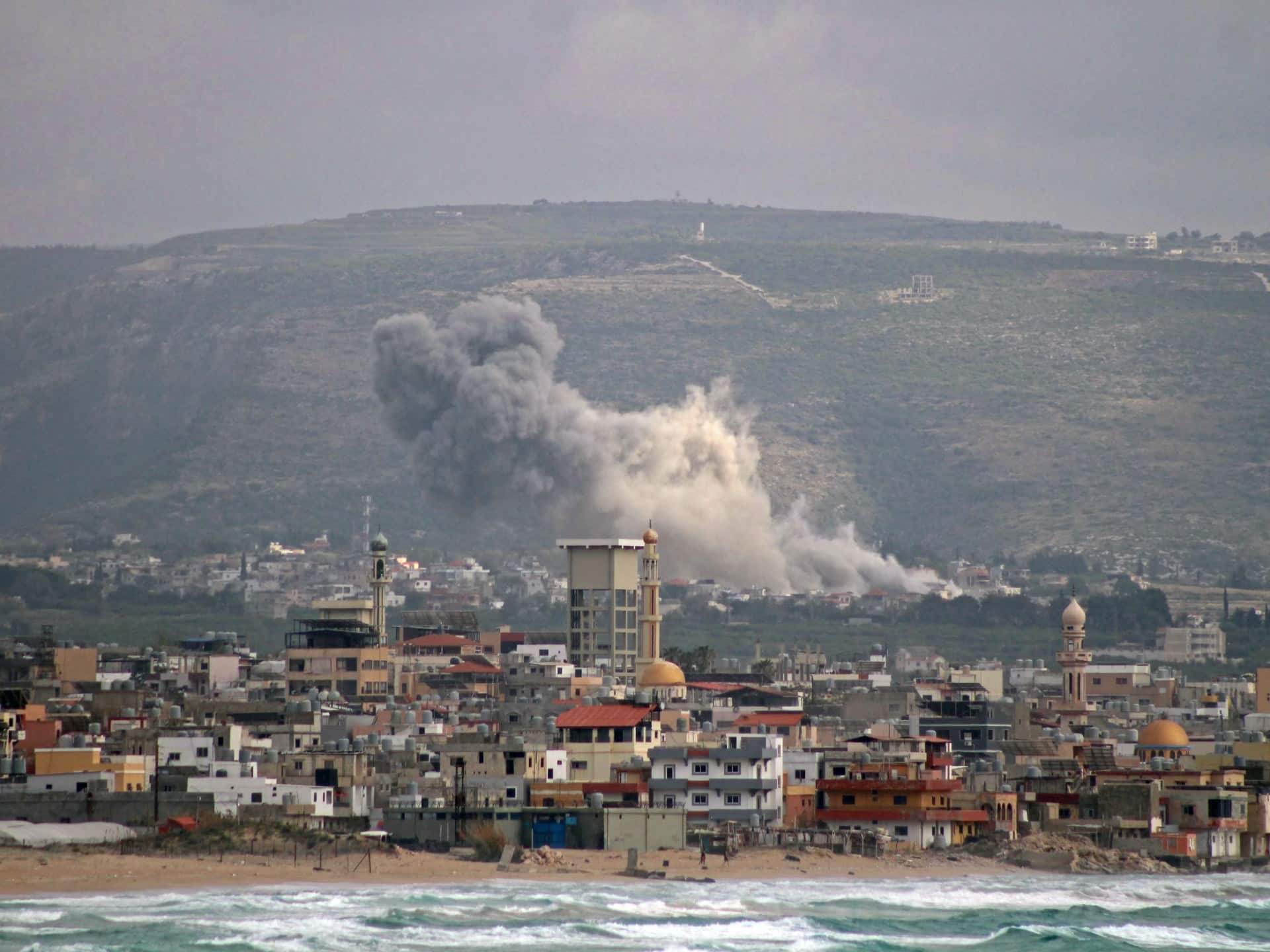
Iran’s Foreign Minister, Abbas Araghchi, has declared the country’s readiness to engage in direct military conflict with the United States if ongoing negotiations fail to yield satisfactory results. This statement comes against a backdrop of escalating economic challenges within the U.S. due to the ongoing US-Israel conflict with Iran, which began on February 28. According to Al Jazeera, Araghchi emphasized that the conflict has not only devastated the region but is also adversely affecting American households, with rising energy costs and inflation being significant issues.
The Iranian Foreign Minister pointed out that the ongoing war has led to the effective closure of the Strait of Hormuz, a crucial maritime route for global oil and gas shipments. He warned that the financial strain on American households would only worsen as the threat of war persists, predicting a potential recession as borrowing costs rise. The situation is further complicated by high auto loan delinquencies, which have reached levels not seen in over 30 years.
In a mocking tone, Mohammad Bagher Ghalibaf, the speaker of Iran’s parliament, criticized the financial implications of U.S. military spending, suggesting that American taxpayers are financing a costly endeavor with little to show for it. He referenced the recent U.S. auction of $25bn worth of 30-year bonds at a five percent yield, a rate not seen in nearly two decades, highlighting the financial burden on American citizens.
Negotiations between the U.S. and Iran have been stalled, primarily due to disagreements over the future of the Strait of Hormuz. Iranian officials demand sovereignty over the waterway, a request that has been rejected by other Gulf states. In response, Iran’s parliament has announced plans for a mechanism to manage maritime traffic in the strait, which would impose fees on commercial vessels cooperating with Iran while denying access to those aligned with U.S. interests.
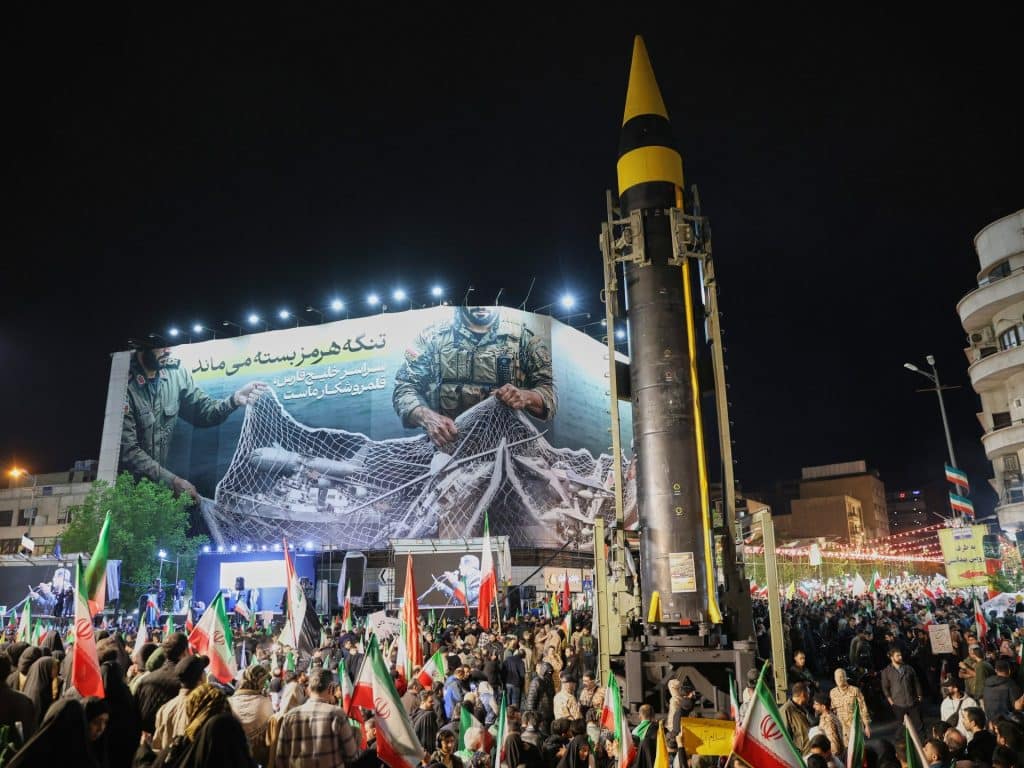
As the conflict continues, Iranian authorities have ramped up state messaging, urging citizens to show support for the government. State television has broadcast segments featuring armed individuals and military demonstrations, reinforcing a narrative of readiness for conflict. With the Iranian economy facing severe inflation—food prices have reportedly surged by 115 percent—authorities are tightening control domestically, including internet restrictions and increased military presence in urban areas.