













Arabic version: منظمة الصحة العالمية تصنف تفشي الإيبولا كحالة طوارئ صحية دولية
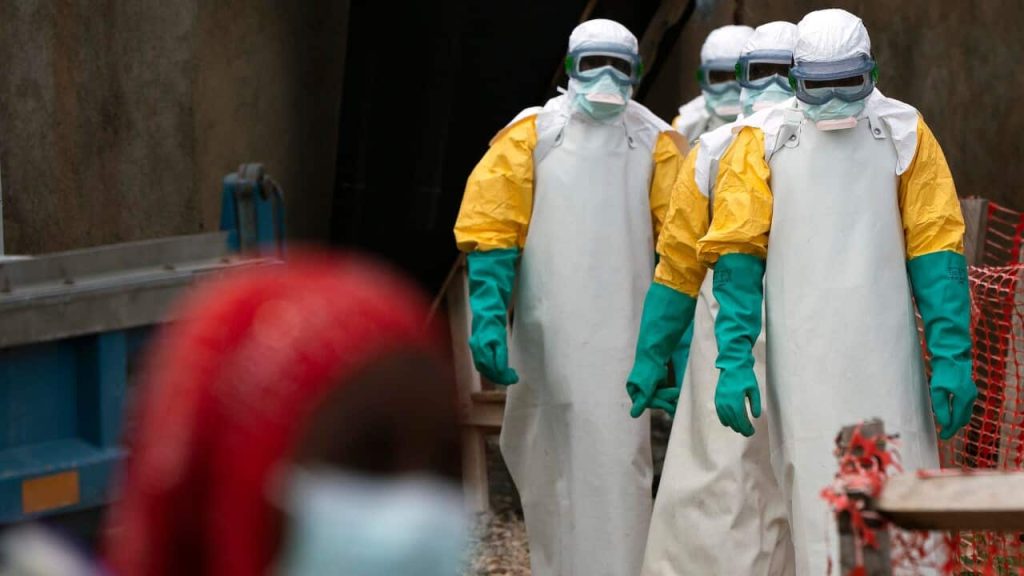
The World Health Organization (WHO) has declared an international health emergency due to a rare strain of Ebola that has led to numerous fatalities in the Democratic Republic of the Congo (DRC) and Uganda. According to SBS News, the outbreak was first reported on Friday, with officials confirming 65 deaths and 246 suspected cases.
In its statement, the WHO noted that while the outbreak constitutes a public health emergency of international concern (PHEIC), it does not meet the criteria for being classified as a pandemic. The organization emphasized the contagious nature of Ebola, which can be transmitted through bodily fluids such as vomit, blood, or semen.
As of Saturday, the Africa Centres for Disease Control and Prevention (CDC) reported a total of 336 suspected cases and 13 confirmed cases, with four fatalities among the confirmed cases. The outbreak originated in the Mongwalu health zone, a region known for its high traffic due to mining activities.
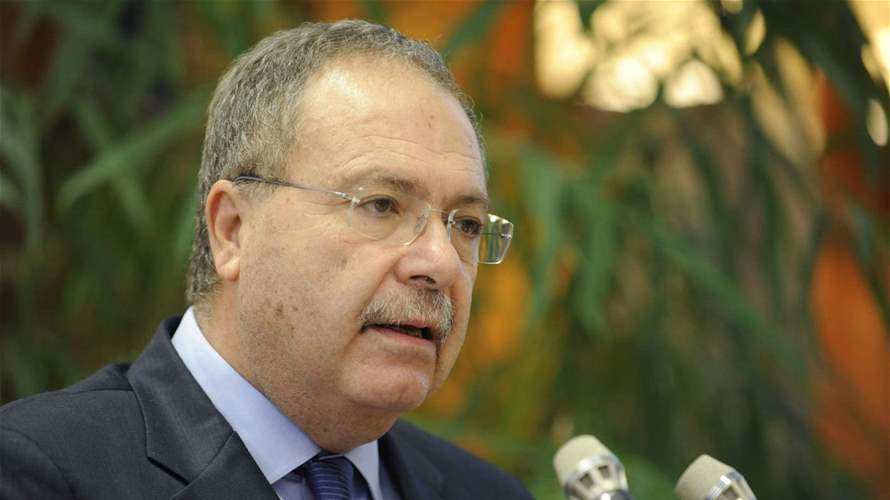
Challenges in controlling the outbreak have been exacerbated by ongoing insecurity in Ituri, where militant attacks hinder surveillance and response efforts. The Congolese health minister confirmed the presence of the Bundibugyo virus, a less common variant previously encountered in the country’s 17 outbreaks since Ebola’s emergence in 1976.
Uganda has also reported an imported case of Ebola from Congo, with the patient dying on May 14. The proximity of affected areas to Uganda and South Sudan raises concerns about the potential for further spread of the virus. Despite Congo’s experience in managing Ebola, logistical challenges remain significant due to the country’s vast size and ongoing conflicts.