













Arabic version: منظمة الصحة العالمية تعلن حالة طوارئ صحية عالمية بسبب تفشي فيروس إيبولا
The World Health Organization (WHO) has declared a global health emergency due to an Ebola outbreak affecting the Democratic Republic of Congo (DRC) and Uganda, which has resulted in at least 80 reported deaths. According to ABC News, the outbreak has been classified as a “public health emergency of international concern,” though it does not meet the criteria for a pandemic.
This outbreak is linked to the Bundibugyo strain of the virus, which is less infectious than other strains but has a high mortality rate. Experts indicate that the current cases are occurring in resource-poor areas, exacerbating the situation. The WHO has noted the potential for a larger outbreak than what is currently being detected.
Historically, the Bundibugyo virus was first identified in 1976 and has been responsible for previous outbreaks. However, the current situation is particularly alarming as there are no approved therapeutics or vaccines specific to the Bundibugyo strain, making it challenging for health workers to combat the disease effectively.
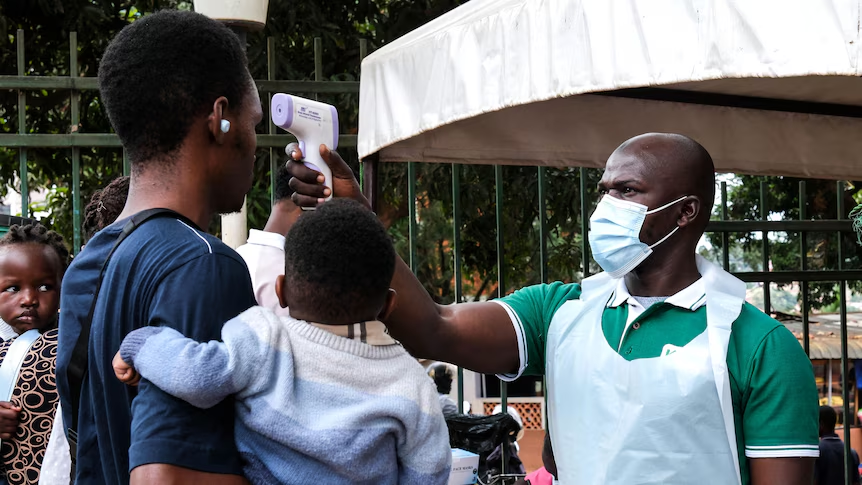
Cases have been reported in several health zones within the Ituri province of DRC, including Bunia, Rwampara, and Mongbwalu, as well as in the capital of Uganda, Kampala. The spread is believed to have begun in a high-traffic mining area, complicating containment efforts. Infections are likely to have been occurring for weeks, leading to a significant number of cases that caught health authorities off guard.