












Arabic version: حكومة تسمانيا تعتذر عن فضيحة أجزاء الجسم
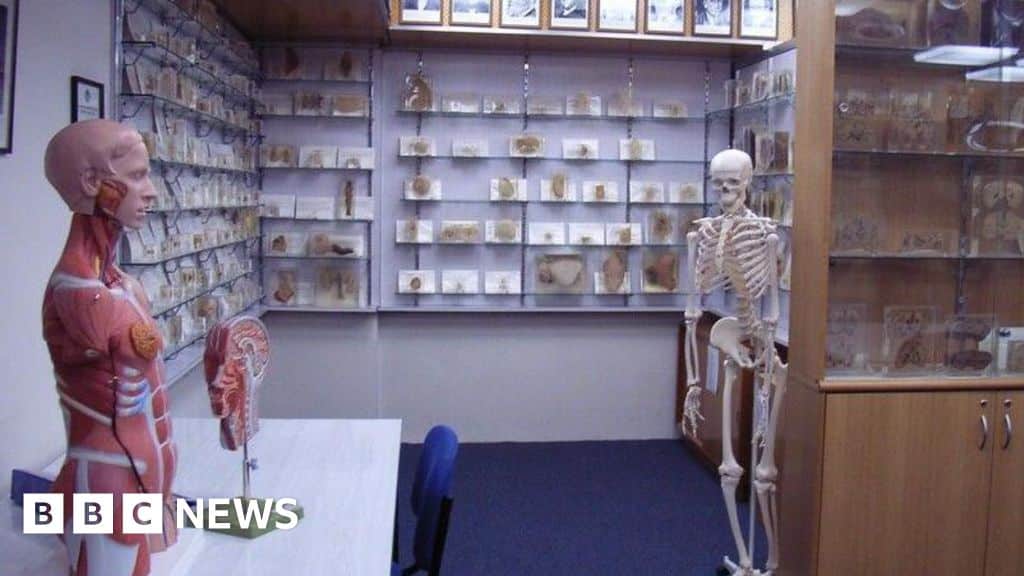
The Tasmanian government has apologised for a decades-old scandal in which body parts taken from autopsies were secretly kept – and in some cases put on display – without the consent of families. This wrongdoing was uncovered last year after an investigation found that between 1966 and 1991 pathologists may have “actively sourced” 177 human specimens collected during autopsies before handing them to a university museum.
According to BBC News, the samples were given to the University of Tasmania museum without the approval of family members or the coroners who were responsible for the bodies. Health Minister Bridget Archer addressed parliament, acknowledging the “enduring distress, anger, pain, grief and trauma” caused by these actions.
Family members of the deceased were present during the apology, with some expressing that while the acknowledgment was a step in the right direction, more action is needed. Cheryl Springfield, whose brother David Maher died in 1976, described the moment she learned about the scandal as devastating. John Santi, who also lost his brother Tony in 1976, echoed similar sentiments, expressing disbelief that his brother’s brain had been taken without consent.
Concerns regarding the specimens at the University of Tasmania RA Rodda Museum were initially raised in 2016, leading to a state coroner’s investigation ordered in April 2023. The findings revealed that the “now-dead forensic pathologist Dr Royal Cummings was the person who provided the large majority of coronial specimens to the museum,” although others in the field were also implicated in the practice.
Following the apology, Professor Graeme Zosky, the university’s deputy vice-chancellor for health, acknowledged the gravity of the situation, stating that while an apology cannot undo the hurt caused, the university is committed to addressing the concerns of affected families. The RA Rodda Pathology Museum, established in 1966 for medical education, had the 177 specimens removed from display in 2018.