













Arabic version: منظمة الصحة العالمية تستكشف اللقاحات التجريبية مع تصاعد تفشي الإيبولا في جمهورية الكونغو الديمقراطية
The World Health Organization (WHO) is evaluating the potential use of experimental vaccines and treatments to combat a significant Ebola outbreak in the Democratic Republic of the Congo (DRC). WHO Director-General Dr. Tedros Adhanom Ghebreyesus expressed deep concern as reports indicate at least 500 suspected cases and 130 suspected deaths from the Bundibugyo strain of the virus. This marks a stark increase from approximately 200 cases and 65 deaths reported just days earlier. According to The Guardian, health officials warn that the current numbers may only represent the tip of the iceberg, with concerns about the outbreak spilling over into neighboring regions, such as South Sudan.
Dr. Mesfin Teklu Tessema from the International Rescue Committee highlighted the dire situation in Ituri Province, where the majority of cases have been reported. He noted a critical shortage of protective equipment for healthcare workers, stating, “Ebola is a very deadly disease – this strain has a mortality rate between 30% and 50%.” The Bundibugyo strain currently lacks an approved vaccine or treatment, complicating efforts to control the outbreak.
Recent genomic analysis suggests that the outbreak may have originated from a “spillover event” involving contact with infected animals, which has since led to human-to-human transmission. This finding offers hope that the outbreak could be traced and potentially interrupted, unlike previous outbreaks caused by repeated independent spillovers.
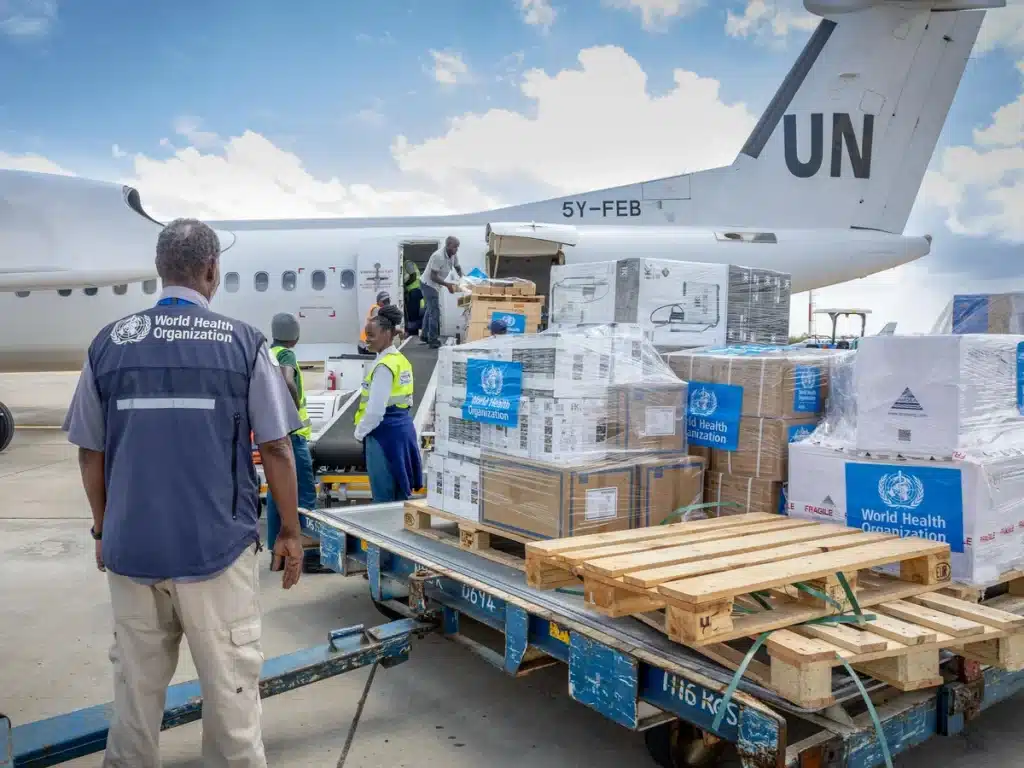
The WHO has deployed over 40 experts to the field and sent 12 tonnes of medical supplies, including personal protective equipment, to support frontline health workers. However, Dr. Anne Ancia, a WHO representative for the DRC, indicated that controlling the outbreak could take an extended period, citing a past outbreak that lasted two years. As the situation evolves, the WHO is convening a technical group to assess available vaccines and treatments, although current vaccines are not applicable to the Bundibugyo strain.
In response to the outbreak, Uganda has advised its citizens to avoid close contact with others, leading to the cancellation of large public events. Travel restrictions have been implemented by some countries, including the US, while Rwanda has closed its borders with the DRC. The ongoing conflict in the region has further complicated healthcare access, raising alarm about the potential for increased mortality and transmission rates as the outbreak unfolds.