













Arabic version: هزيمة ماسى في الانتخابات التمهيدية تشير إلى تحول في مواقف الجمهوريين تجاه إسرائيل
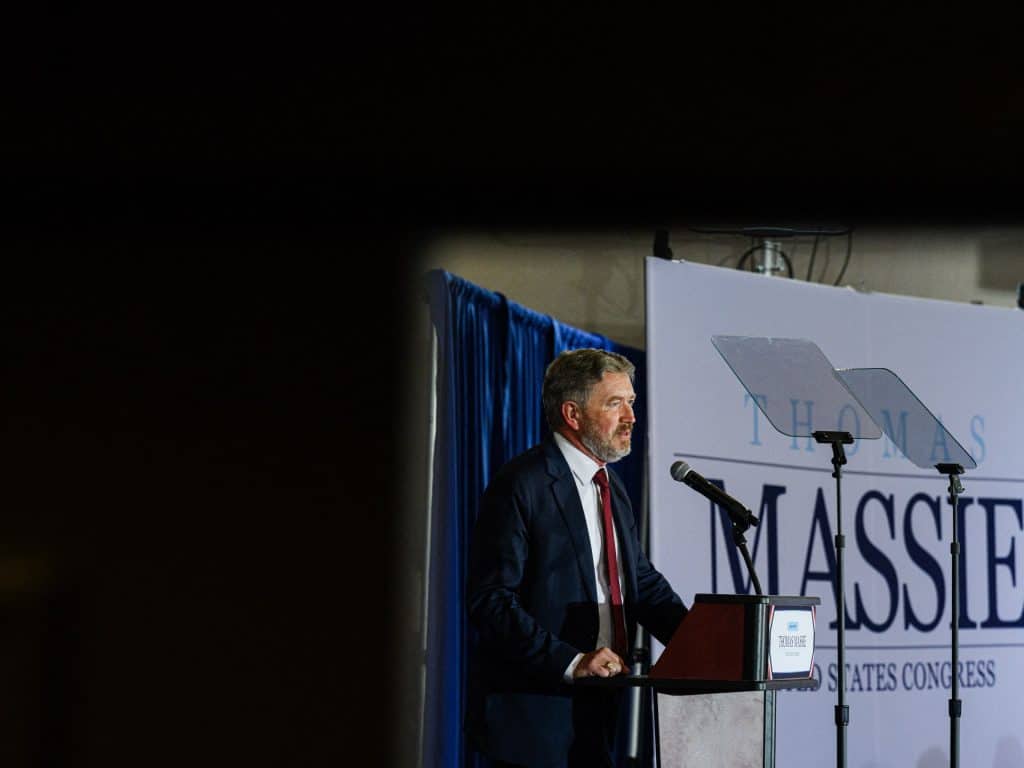
Representative Thomas Massie conceded his loss in the Republican primary on May 19, 2026, after one of the most expensive congressional campaigns in U.S. history. His opponent, Ed Gallrein, was endorsed by former President Donald Trump, marking a significant confrontation that extended beyond local politics. Massie’s defeat was seen as a victory for the Israel lobby, which heavily financed the campaign to oust a congressman known for questioning military aid to Israel.
According to Al Jazeera, the campaign revealed a growing backlash among Americans who are increasingly uncomfortable with the political influence exercised by pro-Israel organizations. Many voters perceived the primary as a battle over ideological conformity rather than a contest focused on local or national interests.
Massie’s libertarian conservative stance, which included opposition to foreign aid, positioned him as a threat to the established pro-Israel consensus in Washington. His advocacy for transparency surrounding sensitive issues, like the Jeffrey Epstein case, further antagonized Trump and the Republican establishment. The campaign saw millions of dollars spent to defeat Massie, with intense advertising portraying him as disloyal.
Polls indicated a generational divide in support for Massie, with younger Republican voters more inclined to question traditional support for Israel. This shift in sentiment was echoed across conservative media, where discussions about the influence of AIPAC and calls for transparency in foreign lobbying began to gain traction.
While Massie lost by roughly nine percentage points, the implications of the race may extend beyond this single electoral outcome. The increased scrutiny on foreign influence in U.S. politics reflects a significant change in how voters are beginning to perceive the role of money and lobbying in shaping political discourse. The legacy of this primary may be a deeper questioning of foreign aid and the political dynamics surrounding support for Israel within the Republican Party.