












Arabic version: سوق الأسهم الإيراني يعيد فتح أبوابه بعد إغلاق طويل
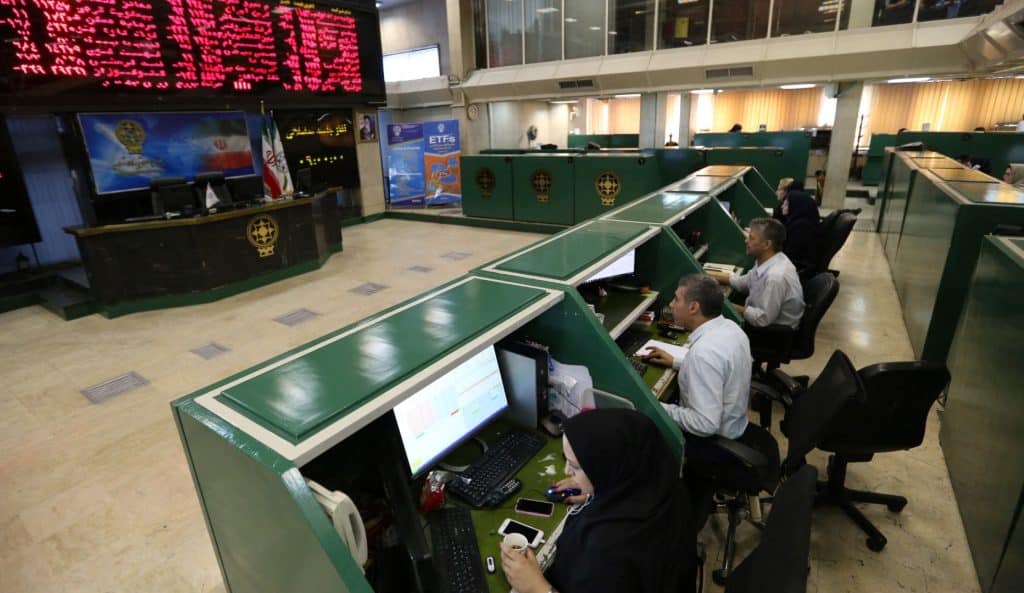
Iran’s stock market has reopened after a near-three-month shutdown, allowing limited trading over two days under controlled conditions. According to Al Jazeera, the reopening comes with ongoing economic challenges and security concerns stemming from the US-Israel conflict.
During the reopening sessions on Tuesday and Wednesday, investors were able to generate some liquidity, although more than a third of the market’s key players remained absent. Specifically, 42 ticker symbols representing about 36 percent of the market were offline, as major companies like the Fajr and Mobin petrochemical giants opted not to participate to protect shareholders from potential fallout.
Hamid Yari, deputy supervisor of the Securities and Exchange Organization, mentioned that trading hours were extended to facilitate the reopening. However, he warned that further market closures could occur if hostilities escalate again. The absence of key players included firms heavily invested in infrastructure targeted by military actions.
Despite the limitations, the market showed signs of marginal improvement, with buy queues outpacing sell queues. The main index, TEDPIX, registered modest gains, rising to over 3,758,000 points after the two-day reopening. However, economic experts caution that the apparent recovery may not signify genuine growth given the country’s steep inflation and economic instability.
Economist Mehdi Haghbaali noted that while the reopening exceeded expectations, it might reflect the dire state of the economy rather than a positive turnaround. He pointed out that trade disruptions and rising inflation pose significant risks to market stability, with the inflation rate exceeding 70 percent as of late April. Haghbaali emphasized that any real growth in the stock market would depend on resolving broader economic issues, potentially requiring a peace agreement between the US and Iran to improve market conditions.