













Arabic version: مقتل ثلاثة متطوعين من الصليب الأحمر بسبب الإيبولا المشتبه به في جمهورية الكونغو الديمقراطية
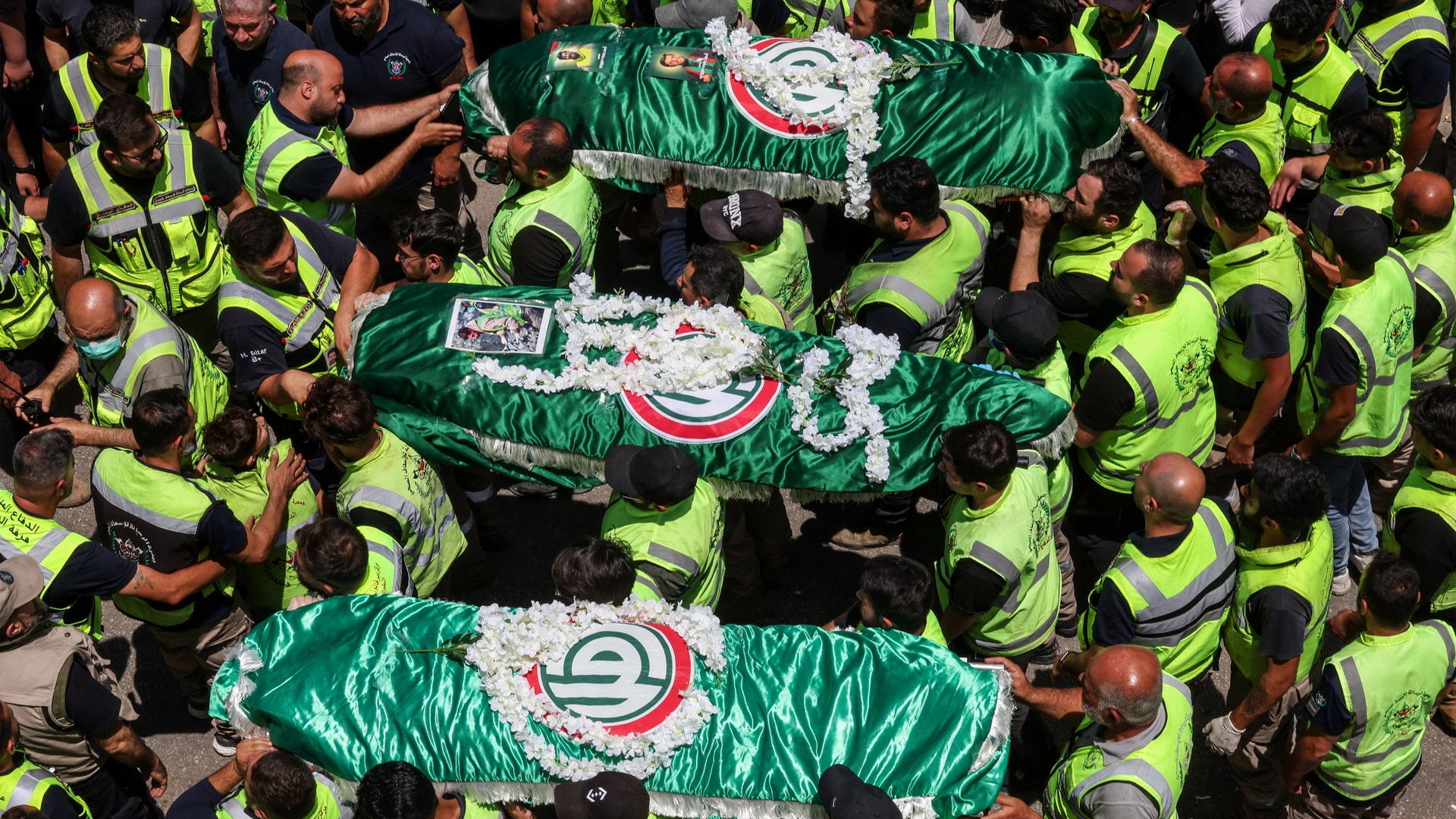
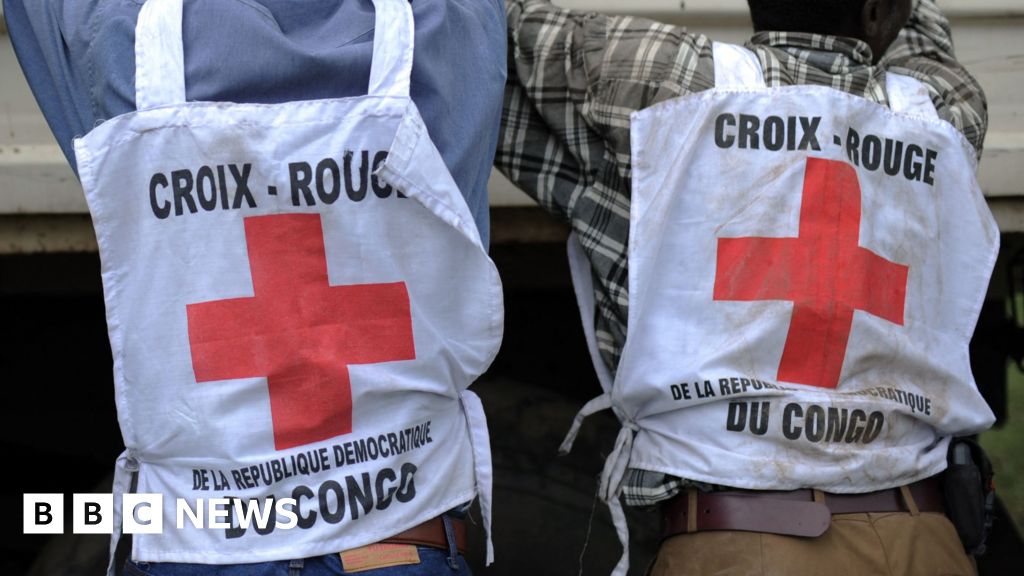
Three Red Cross volunteers died in the Democratic Republic of Congo from suspected Ebola likely caught while managing dead bodies. The organization reported that the volunteers were working in the eastern region of Ituri on a project unrelated to the virus when they were infected before the outbreak was identified.
According to BBC News, the volunteers, identified as Alikana Udumusi Augustin, Sezabo Katanabo, and Ajiko Chandiru Viviane, are believed to be among the first fatalities in the current Ebola outbreak, which has resulted in more than 170 suspected deaths and 750 suspected cases. They died between May 5 and May 16 while working in Mongbwalu, which is now considered the epicenter of the outbreak.
The World Health Organization (WHO) has escalated the public health risk from the virus in DR Congo from “high” to “very high.” WHO chief Dr. Tedros Adhanom Ghebreyesus noted that while the risk in the wider African region is considered “high,” it remains “low” globally. The outbreak involves a rare species of Ebola known as Bundibugyo, which has no proven vaccine and kills about a third of those infected.
Health experts caution that contact with the body of someone who has died from Ebola can facilitate the spread of the virus, as bodily fluids remain infectious after death. In a concerning development, Uganda has reported new cases, bringing its total confirmed infections to five. The African Centres for Disease Control has warned that ten other countries are at risk of being affected by the outbreak.
In response to the crisis, the DR Congo government has suspended all commercial and private flights to and from Bunia, the provincial capital of Ituri. Only humanitarian, medical, or emergency flights will be authorized following special approval from aviation and health authorities. Additionally, Médecins Sans Frontières (MSF) reported that a tent it provided for treating Ebola patients in Mongbwalu was burned, highlighting the urgent need for community engagement and trust-building in this rapidly evolving situation.