













Arabic version: منظمة الصحة العالمية تدعو إلى وقف إطلاق النار في جمهورية الكونغو الديمقراطية لمكافحة تفشي الإيبولا
According to The Guardian,
The head of the World Health Organization (WHO), Tedros Adhanom Ghebreyesus, has urged for an immediate ceasefire in the eastern Democratic Republic of the Congo (DRC) to help tackle the Ebola outbreak there, as Uganda closed its border with its neighbour in an effort to stop the spread. Tedros highlighted the dire situation, stating that the region is facing a “catastrophic collision of disease and conflict,” with the outbreak in Ituri province outpacing the response efforts.
As of Sunday, there have been 900 suspected cases and 223 suspected deaths in the DRC, alongside seven confirmed cases and one death in Uganda. The outbreak, which was confirmed on May 15, has already spread to rebel-held areas in North Kivu and South Kivu provinces, where instability has been prevalent due to armed groups. Tedros is expected to visit the DRC this week to assess the situation further.
In response to the outbreak, Uganda’s border closure, which will last for four weeks, allows exceptions for Ebola response teams and humanitarian operations. Individuals entering Uganda from the DRC must undergo mandatory self-isolation for 21 days. However, earlier WHO guidance advised against border closures, warning that such measures could push individuals to use informal crossings, complicating disease monitoring efforts.
The ongoing conflict in eastern DRC has severely hindered the response to the Ebola outbreak. Mass displacement caused by violence has pushed many exposed individuals into overcrowded camps, making it difficult to contain the virus. Tedros emphasized that humanitarian access is crucial for stopping the transmission of Ebola, stating that frontline workers are risking their lives amid ongoing clashes.
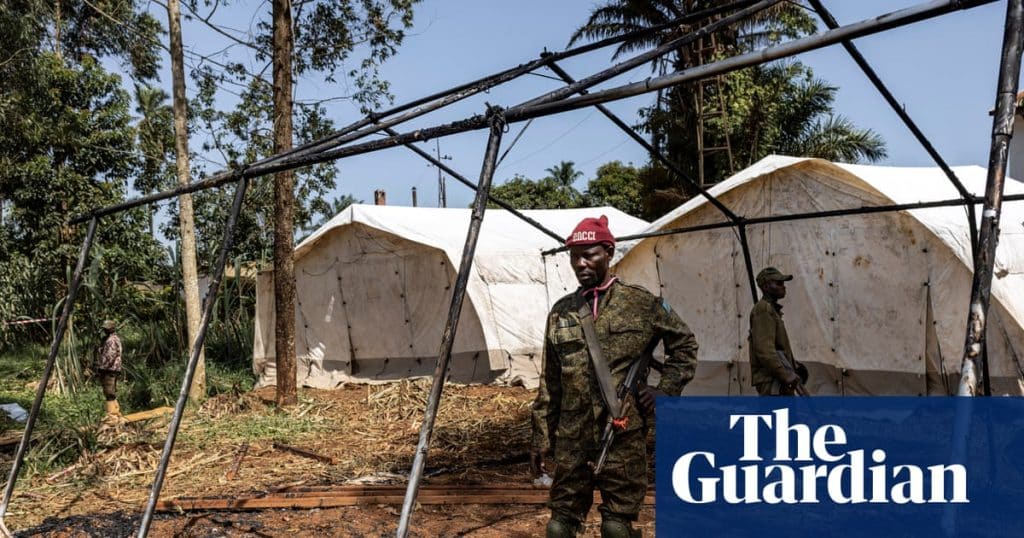
Recent incidents have further complicated the situation, including attacks on health facilities and the burning of an Ebola isolation tent in Mongbwalu by unidentified individuals. These attacks have led to the escape of Ebola patients, exacerbating the risk of further transmission. With children particularly vulnerable due to years of conflict and malnutrition, the need for a coordinated response to both the conflict and the health crisis is more urgent than ever.