












Arabic version: الولايات المتحدة تعترض صواريخ إيرانية وسط الضربات المستمرة في لبنان
The United States has intercepted several Iranian ballistic missiles and drones aimed at the Strait of Hormuz and the Gulf, as diplomatic negotiations between the two nations have stalled. According to Al Jazeera, the US Central Command (CENTCOM) reported that seven ballistic missiles were launched towards Kuwait and Bahrain on Friday night. CENTCOM successfully shot down four Iranian attack drones earlier that evening.
The interception efforts were partially successful, with six out of seven missiles neutralized before they could reach their targets. In a retaliatory move, US forces targeted Iranian coastal surveillance radar sites located in Goruk and on Qeshm Island. The Iranian Islamic Revolutionary Guard Corps (IRGC) claimed that these missile launches were in response to US strikes in the region and indicated they had also targeted oil tankers attempting to navigate the Strait of Hormuz.
While the US and Iran are engaged in indirect talks aimed at reaching an interim deal to end the ongoing conflict, significant disagreements remain. Iran is seeking sanctions waivers, access to frozen assets, and the lifting of a US blockade on its ports, while the US is demanding the reopening of the Strait of Hormuz and concessions regarding Tehran’s nuclear program.
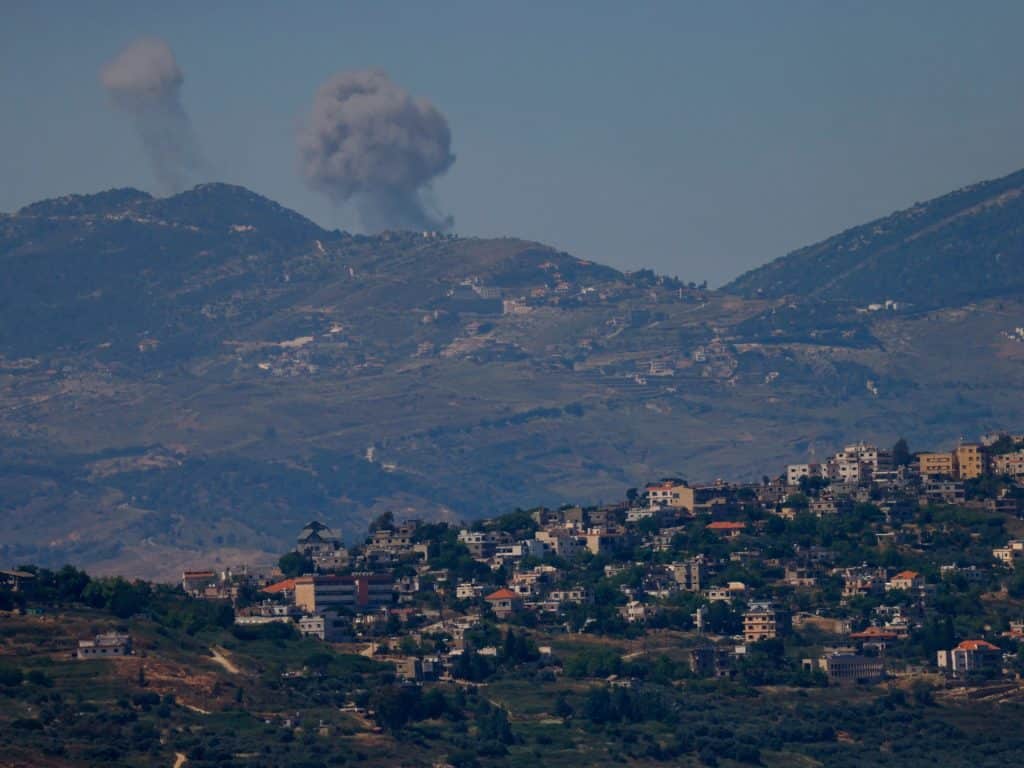
In a parallel development, Israel continues its military operations in southern Lebanon, where recent Israeli airstrikes have resulted in casualties among Lebanese soldiers. The Lebanese army reported that several of its personnel, including an officer, were killed in an Israeli attack on their military vehicle. The conflict between Israel and Hezbollah has escalated since March, with Hezbollah asserting it is acting in support of Iran.
Iranian Foreign Minister Abbas Araghchi has rejected claims from Lebanese President Joseph Aoun that Lebanon is a bargaining chip for Iran in negotiations with the US. Araghchi emphasized that if Lebanon were truly a bargaining chip, a deal would have been reached long ago. Meanwhile, Hezbollah leader Naim Qassem dismissed a proposed US-brokered ceasefire, stating it did not include Hezbollah or address Israel’s presence in southern Lebanon.