












Arabic version: ردود الفعل العالمية على الصراع الأمريكي الإسرائيلي مع إيران تتكشف
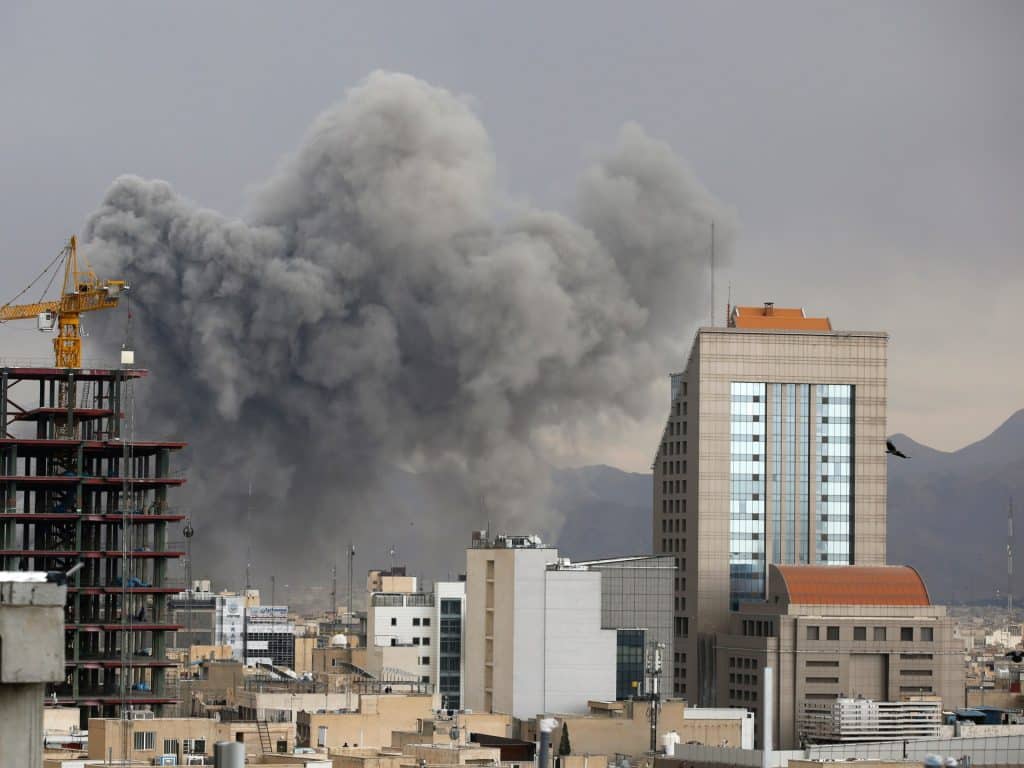
Sunday marks 100 days since the United States and Israel launched war on Iran, a conflict that has triggered a global energy crisis and darkened the global economic outlook. Iran has labeled the conflict an “unprovoked act of aggression,” which has since expanded to involve Gulf nations and Lebanon. A fragile ceasefire has been in place since April 8, yet Israel has continued its offensive in Lebanon, killing more than 3,000 people.
According to Al Jazeera, America’s European allies did not condemn the US-Israeli attacks but declined to get involved in the war, expressing opposition to regime change. Gulf nations have condemned Iranian actions against their territories, further complicating the regional dynamics.
Countries affected by rising oil prices and market volatility have called for a diplomatic solution to the conflict, with Pakistan playing a major role in mediating talks. On Wednesday, Israel and Lebanon renewed the ceasefire agreed on April 16, although Israel’s attacks on Lebanon persist, which Iran claims are a violation of the April 8 ceasefire.
In the Gulf region, states have reacted variably to the hostilities. Oman, a mediator in US-Iran nuclear discussions, expressed dismay at the war’s commencement, asserting it would not serve US interests. Qatar condemned the Iranian missile strikes targeting its territory and expelled Iranian personnel, while also calling for de-escalation and dialogue. The UAE condemned Iranian attacks and reportedly conducted dozens of air strikes against Iran, while Bahrain and Kuwait have condemned Iranian actions and warned of potential responses.
Saudi Arabia has condemned Iranian attacks and maintained that it will respond to threats, managing to export oil through alternate routes despite the conflict. As the situation continues to evolve, the international community remains watchful of the ongoing conflict’s implications for regional stability and global energy security.