













Arabic version: إيران تضرب إسرائيل بعد تصعيد النزاع في لبنان
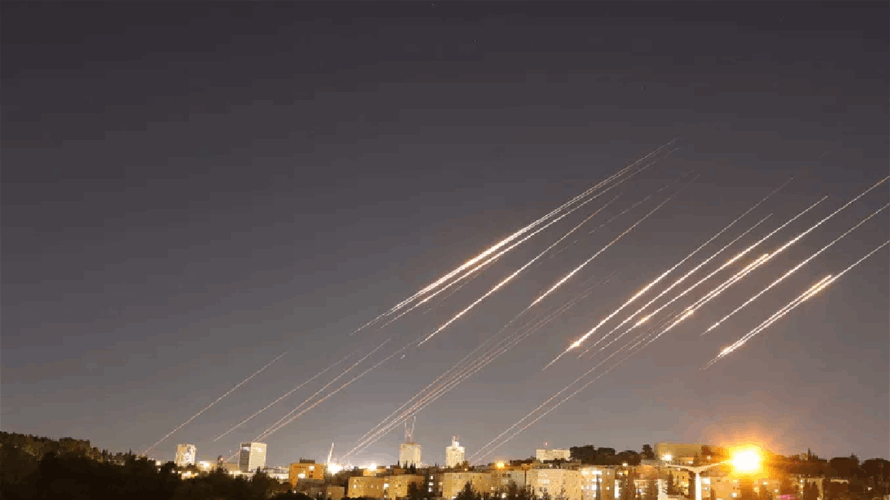
After weeks of warning that continuing Israeli attacks on Lebanon would jeopardise diplomacy, Iran launched its first direct strikes on Israel in two months overnight on Sunday, casting new doubts about the likelihood of a US-Iran peace deal. Iran has insisted that any negotiations must also address the situation in Lebanon. According to Al Jazeera, the Iranian Revolutionary Guards issued a statement indicating that their recent operations were a warning to Israel regarding its aggressive actions in Lebanon.
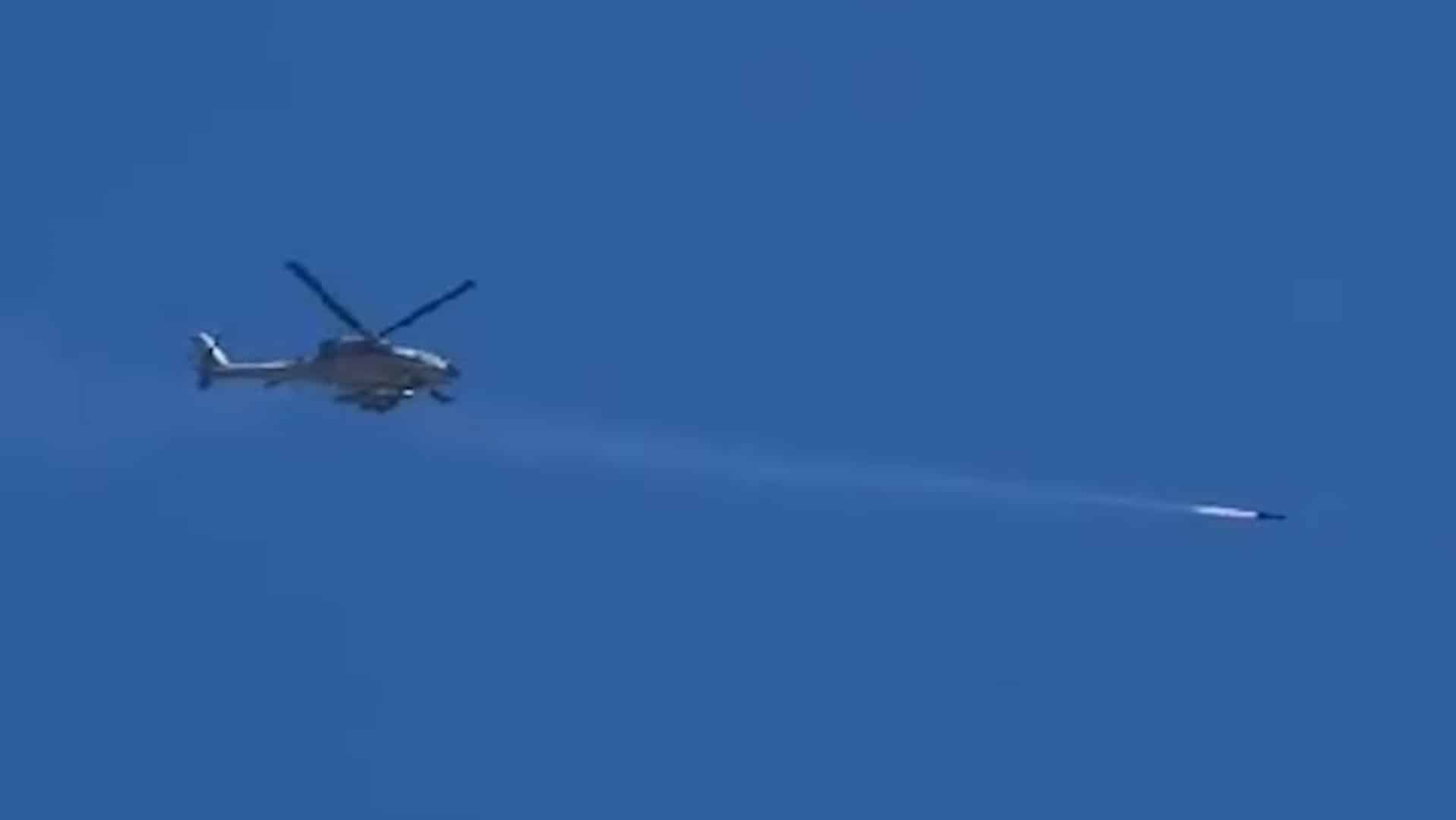
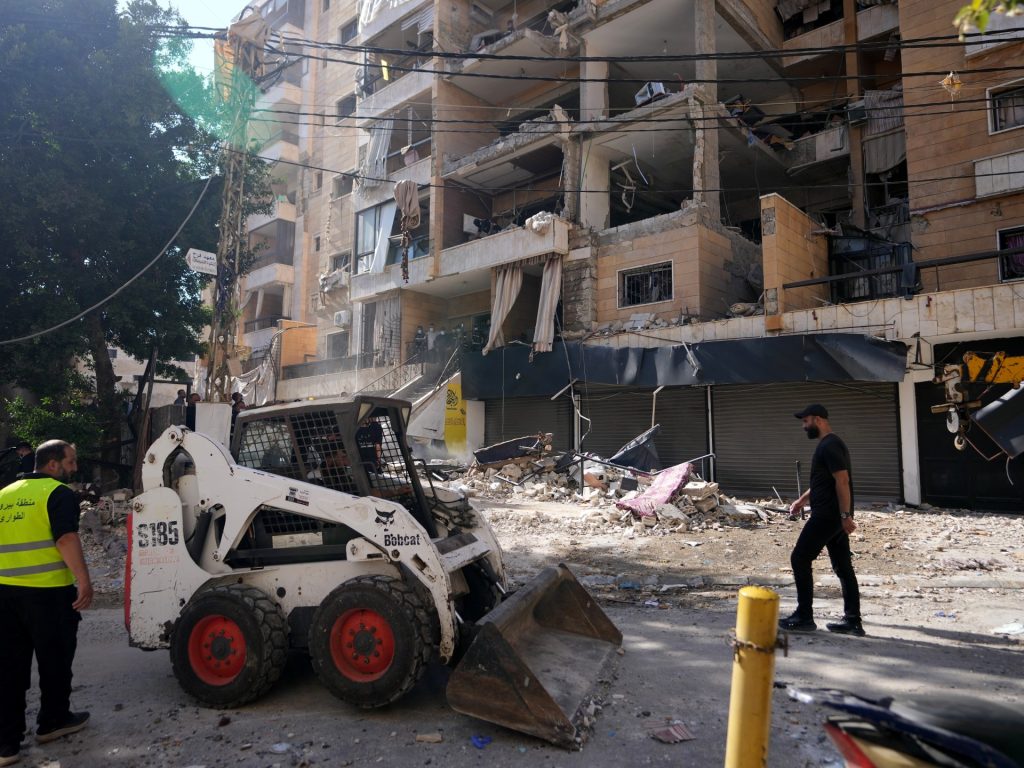
The conflict escalated after an initial Israeli raid on the southern suburbs of Beirut on Sunday – despite US assurances last week that Israel would not attack the Lebanese capital as long as Hezbollah refrained from strikes on northern Israel. In retaliation for these strikes, Iran launched missiles at Israel overnight, marking a significant escalation in hostilities. Israel responded with multiple attacks across Iran on Monday, including the capital Tehran, despite US President Donald Trump reportedly telling Israeli Prime Minister Benjamin Netanyahu not to escalate.
Iran’s military actions come as the country sets a new ‘red line’ regarding Israeli operations in Lebanon. Tehran had previously tolerated Israeli strikes but deemed the attacks on Beirut unacceptable. The Iranian armed forces have warned that further Israeli aggression would result in harsher responses, indicating a shift towards a more direct involvement in the conflict.
As the violence continues, Lebanon has suffered significant casualties, with at least 3,613 people reported killed and more than one million displaced since the fighting resumed in March. Although a US-mediated ceasefire was initiated on April 17, Israeli attacks persisted, complicating efforts for a lasting resolution. Hezbollah leader Naim Qassem rejected new ceasefire proposals, asserting that attacks on northern Israel would continue for as long as bombs were dropping on Lebanon. This ongoing conflict raises critical concerns about the potential for a broader war in the region and the challenges facing diplomatic negotiations between the involved parties.