












Arabic version: دول الخليج تسعى لاستراتيجيات أمنية جديدة بعد الصراع الإيراني
As Washington and Tehran move towards a long-term ceasefire agreement, Gulf states will likely look for new long-term security solutions when a war in their region – which they did not start – finally ends. According to Al Jazeera, the conflict has highlighted vulnerabilities in the existing security arrangements, prompting a reevaluation of regional defense strategies.
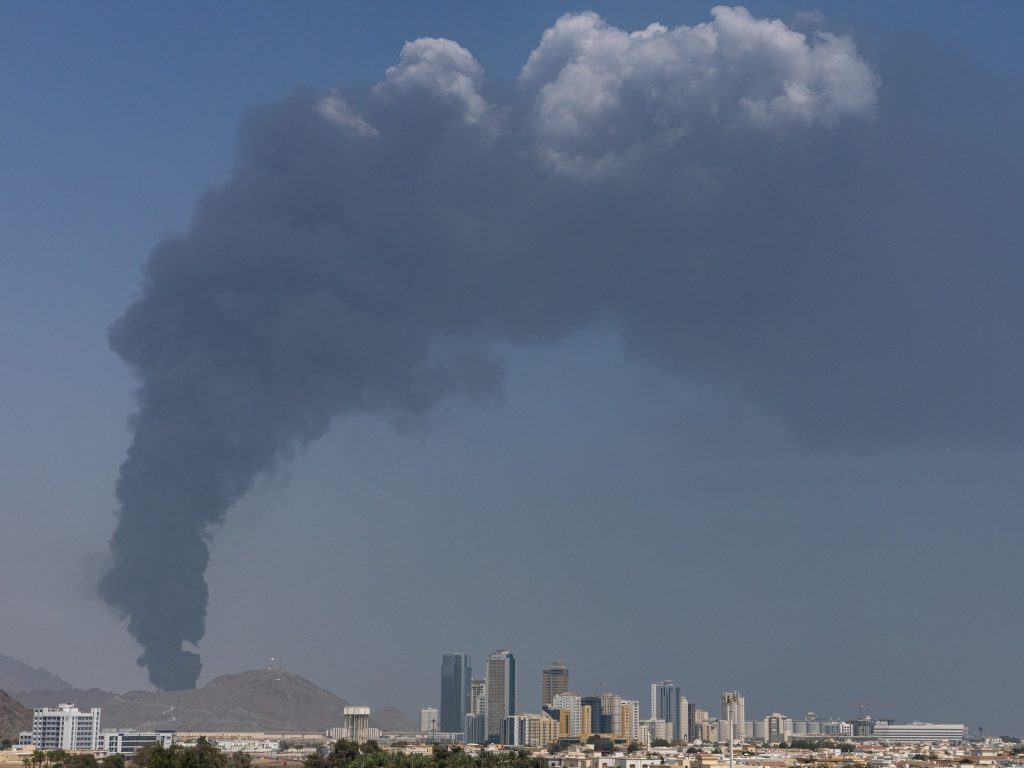
The ongoing war has led to increased attacks on Gulf nations, raising concerns about the effectiveness of the US security umbrella. At least 28 people have been killed across the six Gulf Cooperation Council (GCC) states in suspected Iranian drone and rocket attacks since the US and Israel launched their offensive on Iran on 28 February. This situation has led experts to question the reliability of US military support in the region.
Despite the US presence, Gulf states have found themselves increasingly targeted, suggesting that their reliance on American forces may have inadvertently made them more vulnerable. As Simon Mabon, a professor of international relations, noted, the war has exposed the limitations of the US security model that has been in place for decades.
In light of these challenges, Gulf states may explore alternative security arrangements, including potential engagement with Iran. Previous diplomatic efforts, such as the UAE’s restoration of ties with Tehran in 2022 and Saudi Arabia’s agreement to normalize relations in a deal brokered by China, indicate a willingness to seek cooperation over confrontation. However, the recent hostilities complicate these efforts, with distrust lingering among Gulf nations.
The ongoing conflict has also had economic repercussions, particularly affecting countries dependent on the Strait of Hormuz for energy exports. While some nations like Saudi Arabia have managed to redirect oil exports through its East-West pipeline to the Red Sea, others have faced significant challenges. This economic strain may further motivate Gulf states to rethink their security and economic partnerships moving forward.