












Arabic version: العائلات الروسية تخلق تكريمات بالذكاء الاصطناعي للجنود الذين سقطوا
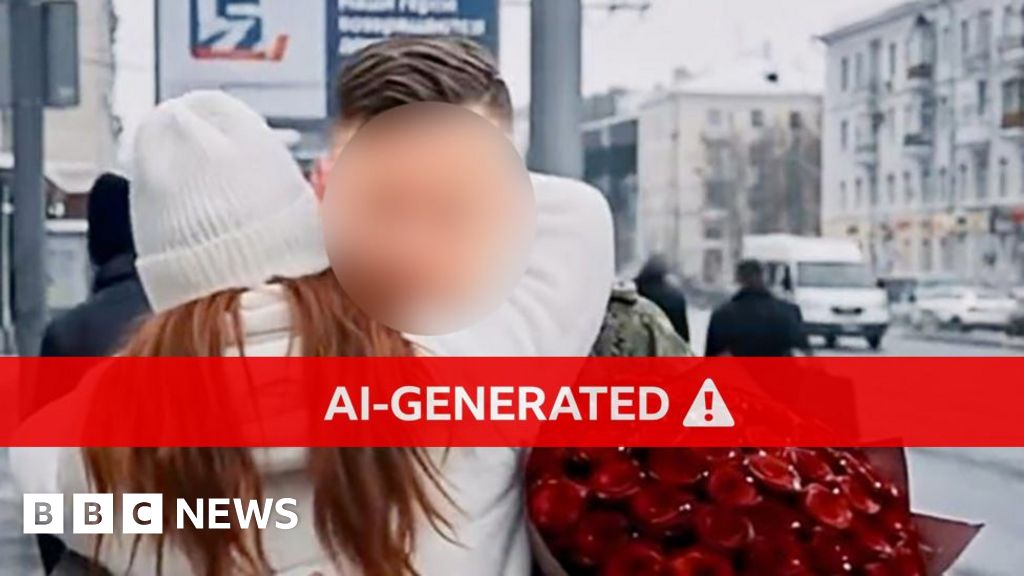
Russian families are increasingly turning to artificial intelligence to create emotional tributes for loved ones killed in the ongoing conflict in Ukraine. These AI-generated videos and images, often depicting soldiers as heroic figures, have gained traction on social media platforms since mid-2025. According to BBC News, the technology allows bereaved families to visualize their loved ones in comforting scenarios, often portraying them as angels or heroes returning home.
One notable creator, known as Katya Jin, previously shared AI-generated content featuring her missing husband, who has been unaccounted for at the front. Her videos, which she created alongside tutorials for her followers, prompted numerous requests from others wishing to animate their deceased relatives. Families could submit photographs, and the AI would produce customized videos that often follow a similar narrative structure, emphasizing themes of love and loss.
Another creator, Anna Korableva, began making AI-generated videos with her sister in May 2025 to help individuals cope with “unfinished farewells,” stating that her work allows families to embrace their lost loved ones once more. The emotional impact of these videos varies widely, with some viewers finding solace while others consider the practice unethical and disturbing. The psychological effects of these AI tributes remain largely unstudied, raising questions about their true value in the grieving process.
The videos often exclude the harsh realities of the war, focusing instead on idealized portrayals of soldiers. This selective representation has drawn criticism from Ukrainians, who express outrage over the romanticized narratives surrounding those who have participated in the conflict. Despite the controversy, the demand for such content continues, with creators reportedly making significant profits from these services, highlighting the intersection of grief and digital technology in wartime Russia.