













Arabic version: إحياء ذكرى انتفاضة سويتو في الذكرى الخمسين للاحتجاجات الطلابية
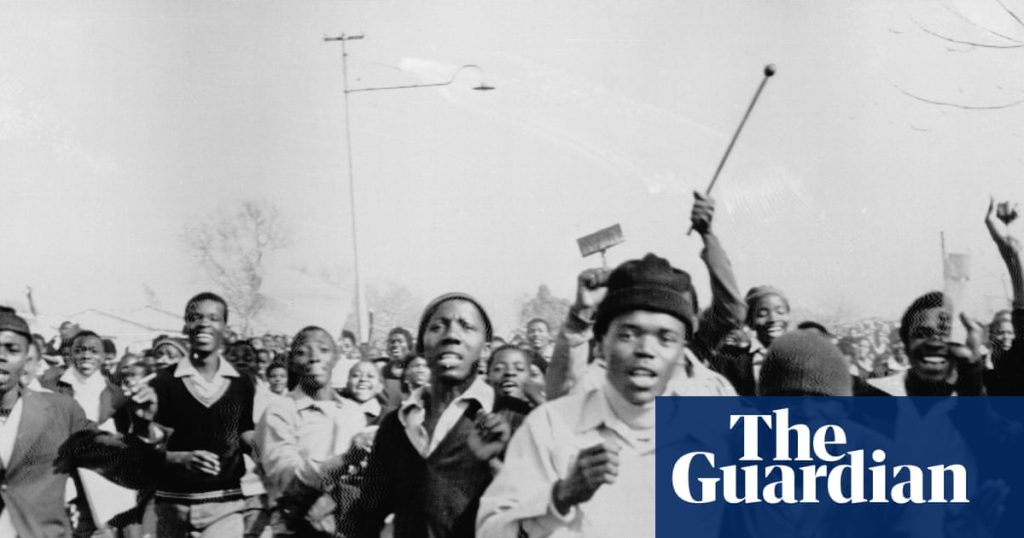
June 16, 1976, marks a pivotal moment in South African history, as students in Soweto protested against the compulsory use of Afrikaans in schools. According to The Guardian, the day began with a peaceful march organized by student leaders, who aimed to challenge the oppressive educational policies of the apartheid regime.
The protest escalated when police confronted the thousands of students marching towards Orlando West. Eyewitness accounts suggest that tensions rose dramatically when police unleashed teargas and dogs on the crowd. Oupa Moloto, then a 19-year-old pupil at Morris Isaacson high school, recalled the chaos that ensued, stating that what began as a peaceful demonstration quickly turned violent as gunfire erupted.
The uprising resulted in numerous casualties, with official records stating 23 deaths, while other estimates suggest the toll may have exceeded 200. The events of that day not only sparked widespread unrest across South Africa but also galvanized a new generation of anti-apartheid activists.
In the aftermath, many students fled the country to join the armed struggle against apartheid, while others faced severe repercussions at home. Sibongile Mkhabela, another participant, described her harrowing experiences in solitary confinement after her arrest during subsequent demonstrations.
The Soweto uprising remains a symbol of resistance against apartheid and is commemorated annually. It serves as a reminder of the sacrifices made by young activists in the fight for equality and justice in South Africa.