













Arabic version: المؤثرون مرتبطون بزيادة اضطرابات الأكل بين الشباب
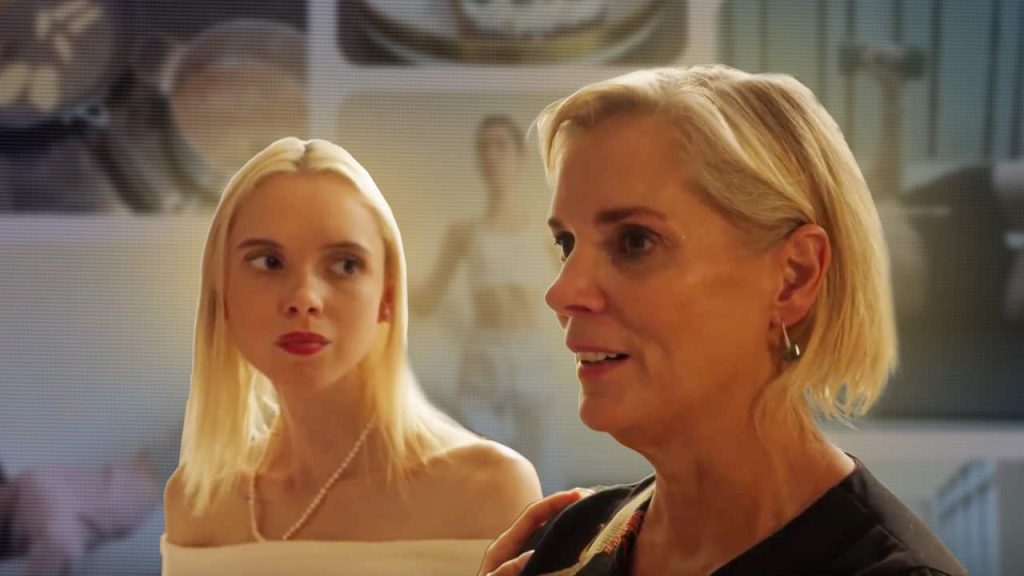
Luka, a 23-year-old from Hervey Bay in southern Queensland, has faced severe challenges with anorexia nervosa, a condition she has battled for nearly a decade. Each year, she requests a birthday cake from her mother, Suze, fully aware that she will not eat it. This yearly ritual highlights the difficulties Luka and her family encounter during celebrations, as her eating disorder complicates these events. According to SBS News, Luka’s fascination with healthy eating began innocently through social media, but over time, it spiraled into an obsession.
Her mother, Suze, expressed concern over the pervasive influence of ‘thinfluencers’ on platforms like Instagram and TikTok, who promote extreme dieting and thinness. Suze noted that Luka was bombarded with information about various diets and exercise routines, which led to her unhealthy fixation on food and body image. “Every birthday, every Easter, we’ve got all these other alternative Easter presents for Luka that aren’t related to food because I didn’t want her to miss out,” Suze stated, illustrating the family’s struggle to navigate these occasions.
The phenomenon of ‘thinfluencers’ has gained traction, with many online creators focusing on content that emphasizes extreme thinness. Popular videos showcasing ‘What I eat in a day’ have become commonplace, often promoting dangerously low-calorie diets. One influencer, who initially embraced the thinness ideal, later acknowledged the negative impact this pursuit had on her life, expressing a desire to help others avoid the pitfalls of eating disorders.
In the United States, the issue has drawn legal attention, as a jury recently found that platforms like Meta and YouTube may have designed their services to be addictive and harmful, particularly to children. The ruling could pave the way for more lawsuits from parents seeking accountability for the negative effects of social media on their children’s mental health. Neveen, a mother from California, shared her experience of watching her daughter develop an eating disorder after being exposed to extreme dieting content online, stating that the platforms nearly cost her daughter’s life.
As the conversation around social media’s influence on body image continues, the call for greater responsibility from tech companies grows louder. With many parents and advocates pushing for change, the impact of ‘thinfluencers’ remains a critical issue in the ongoing dialogue about mental health and youth well-being.