













Arabic version: أستراليا وفانواتو توقعان معاهدة ناكامال التاريخية
According to The Guardian,
Australia and Vanuatu have formalized a significant agreement known as the Nakamal treaty, following discussions in Canberra. This treaty, which has been in development for ten months, emphasizes the mutual respect, trust, and understanding between the two nations.
Prime Minister Anthony Albanese highlighted that the agreement ensures Vanuatu’s critical infrastructure remains free from militarization and explicitly prohibits the establishment of foreign military bases, particularly in light of concerns regarding China’s influence in the region. Albanese stated, “This is the bedrock of the relationship between our two nations, and of this agreement, mutual respect, trust and understanding. We’ve concluded a balanced agreement that will protect our collective and individual security and our sovereignty.”
The Nakamal treaty also reflects Vanuatu’s commitment to seeking assistance for its policing needs from Pacific Island Forum members, with Australia recognized as its primary policing partner. This agreement aims to foster stability and prosperity in the Pacific region, reinforcing the idea that security is a shared responsibility among its members.
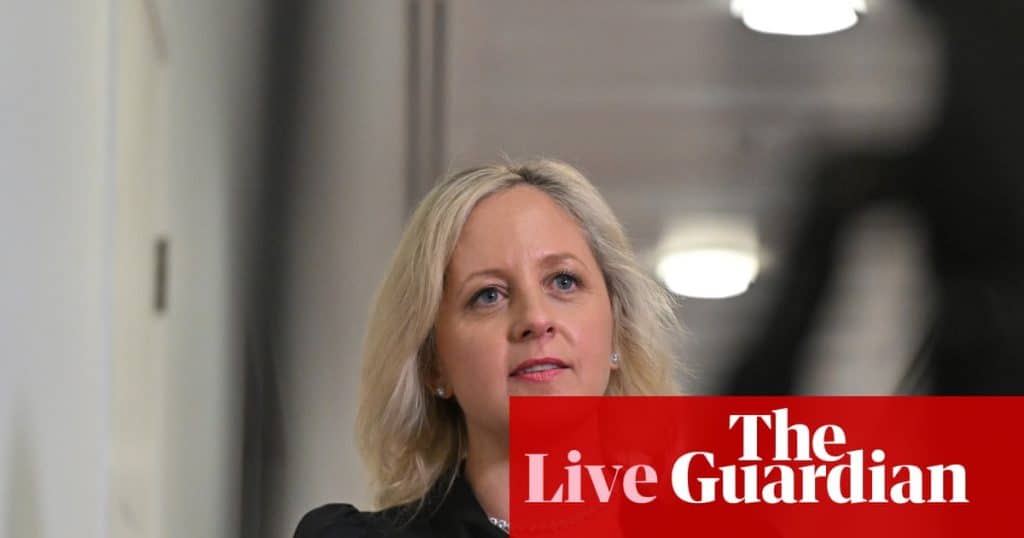
In related political developments, Liberal frontbencher Melissa McIntosh has called for a rebranding of her party in response to disappointing poll results. She urged her colleagues to revisit their values and improve their messaging to better resonate with contemporary Australia. McIntosh noted that ignoring the party’s poor polling would be akin to having one’s “head in the sand.”
The political landscape continues to evolve as the Labor party regains its lead over the One Nation party in recent polling, indicating shifting sentiments among the electorate. As political discussions unfold, the implications of the Nakamal treaty and internal party dynamics will shape Australia’s future engagements both domestically and internationally.