













Arabic version: دول الخليج تغير استراتيجيات الأمن بعد الصراع الأمريكي الإيراني
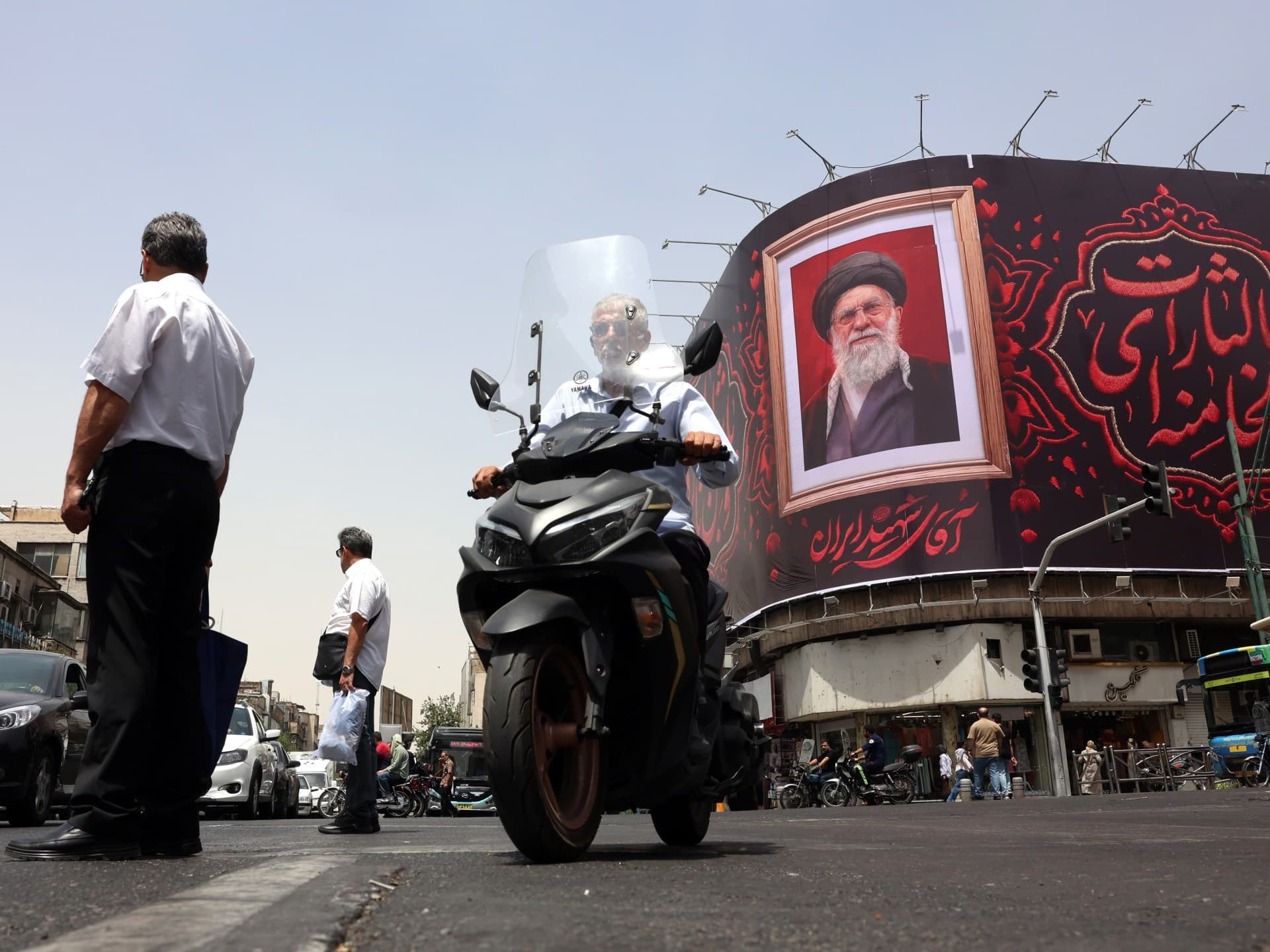
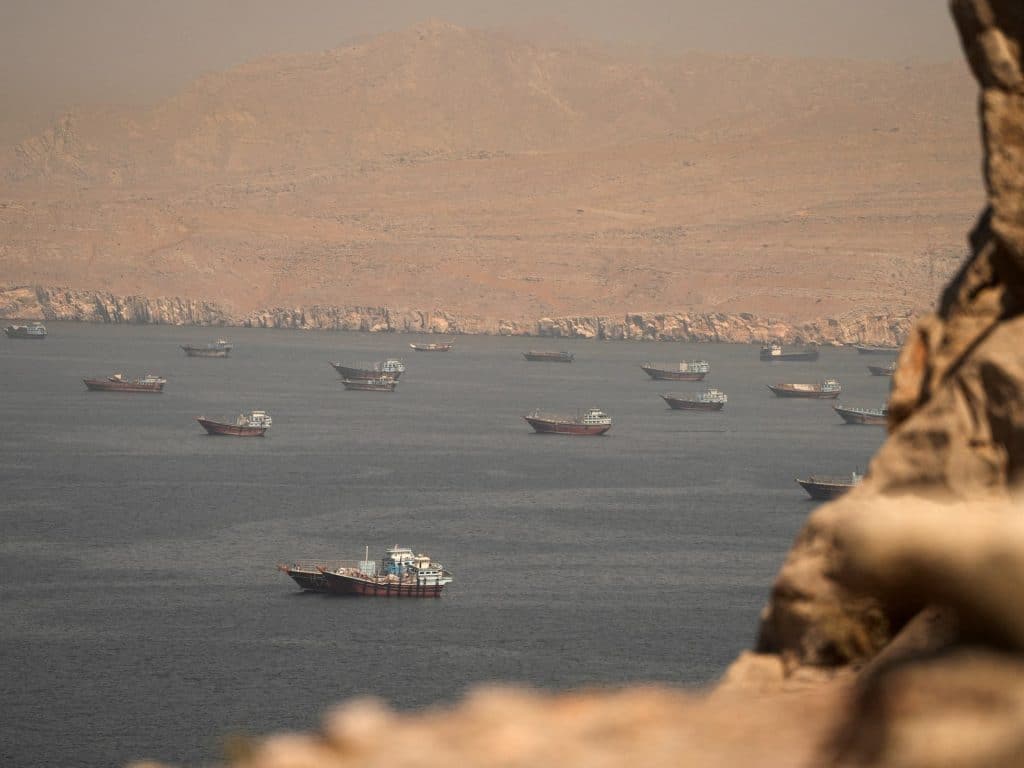
Gulf countries are likely to accelerate the push to diversify their security partnerships after the United States-Israel war on Iran. This shift comes as the region grapples with the lasting impact of the conflict. According to Al Jazeera, the Gulf Cooperation Council (GCC) nations, which came under Iranian attack during the war, are expanding their relationships amid the uncertainty.
Even before the war, Saudi Arabia signed a defense pact with Pakistan, an alliance that could expand to other countries in the region. For years, Gulf states have been buying defense systems from some European countries while maintaining friendly relations with Russia and China – an approach that will likely be cemented by the conflict, experts say.
Anna Jacobs Khalaf, a non-resident fellow at the Arab Gulf States Institute, stressed that seeking new security partners is not aimed at replacing the US. “The focus for countries like Saudi Arabia is the regional balance of power and pushing back on both Iran and Israel,” Jacobs Khalaf told Al Jazeera. “This doesn’t mean replacing the US with Pakistan; it means diversifying partnerships and setting up platforms like the so-called quad group of Saudi Arabia, Turkiye, Egypt and Pakistan. It also means developing their own domestic defensive capabilities and developing more regional autonomy.”
Despite the tensions, Gulf nations have kept lines of communication open with Tehran, even at the security level. Several GCC countries are moving to mend ties and deepen economic relations with their neighbor across the Gulf. Investments may prove a more effective deterrent than weapons, some experts suggest. If Gulf and Iranian economic interests are intertwined, Tehran would think twice before striking the region, Sheline explained.
The US’s role in the region is also evolving, with a shift in focus away from the Middle East as outlined in last year’s National Security Strategy. This has led to a complex interplay between US commitments to Israel and the broader regional dynamics. The future of Gulf security may depend significantly on how these relationships develop in the wake of the recent conflict.