













Arabic version: إيران تصدر تحذيرًا بشأن طرق السفن غير المعتمدة في مضيق هرمز
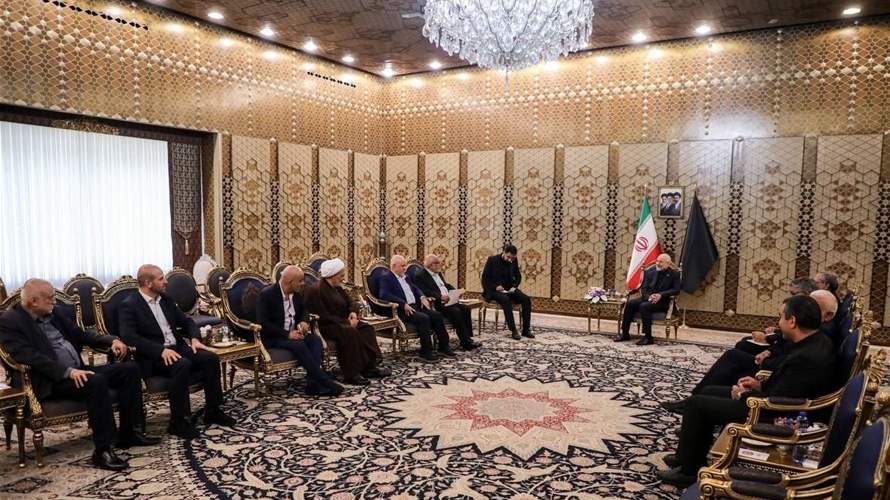
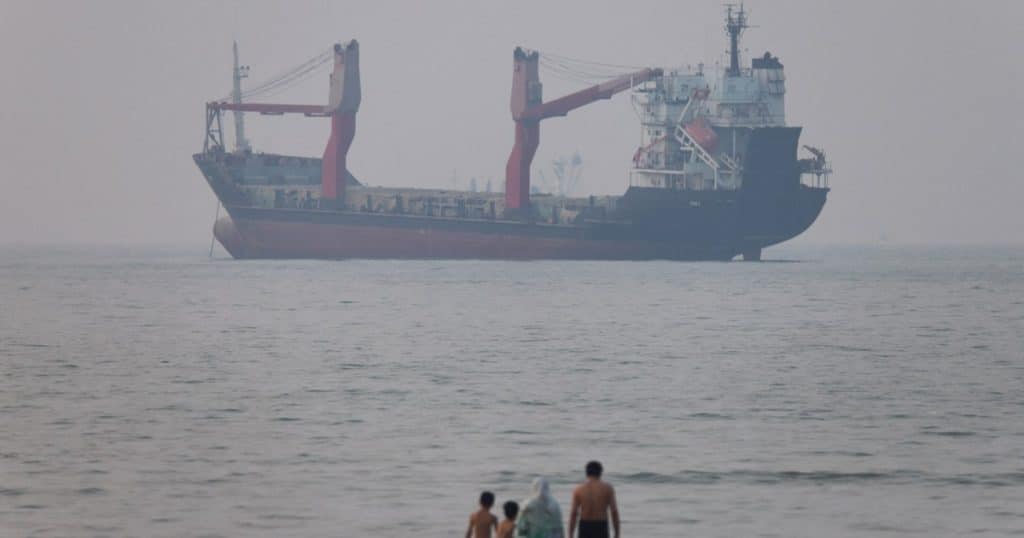
Iran’s military command has threatened ships that attempt to cross the Strait of Hormuz using unapproved routes with a “forceful response,” casting new doubt over trade flows in the critical conduit for global energy supplies. The warning was issued by Iran’s Khatam al-Anbiya Central Headquarters on Thursday, a day after Qatari mediators hailed indirect negotiations between US and Iranian officials as making “positive progress” towards a peace deal.
According to Al Jazeera, the military command emphasized that any failure to comply with and depart from the designated route or disregard for the navigation protocols of the Islamic Republic of Iran in the Strait of Hormuz will be met with an immediate and forceful response from the armed forces, and will endanger the security of the offending vessels. This statement comes after US Central Command (CENTCOM) held a security dialogue in Bahrain, where regional leaders reaffirmed their commitment to ensuring the free flow of commerce in the strait.
Iranian Deputy Minister of Foreign Affairs Kazem Gharibabadi criticized CENTCOM’s assertions, arguing that security in the Persian Gulf cannot be established under the US military presence. He stated that regional security would be achieved through the cessation of foreign interventions and respect for national sovereignty.
The Strait of Hormuz is crucial for global oil and liquefied natural gas trade, facilitating about one-fifth of such commerce prior to the recent US-Israel war on Iran that began in late February. Despite an agreement to ensure safe passage for ships, Iran has issued threats against vessels not following its preferred routes along the Iranian shoreline. Since the start of the war, at least 49 attacks on commercial vessels have been reported in the strait, with many attributed to Tehran.
While shipping transits through the waterway have increased since the signing of a memorandum of understanding between US President Donald Trump and Iranian President Masoud Pezeshkian on June 17, they remain significantly lower than pre-conflict levels. Recent data indicates a slight uptick in crossings, with 45 vessels reported on Wednesday, up from 34 the previous day.