













Arabic version: بورنهام يقترب من زعامة حزب العمال دون معارضة بعد حصوله على ٣٢٢ ترشيحًا من النواب
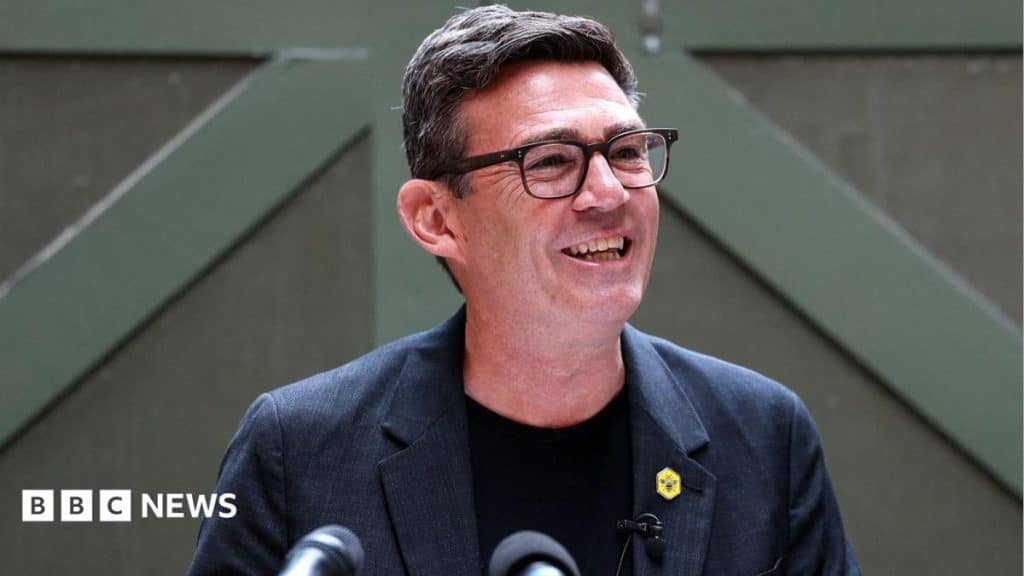
Andy Burnham has moved a step closer to becoming Labour leader and prime minister after 322 Labour MPs nominated him in the opening day of nominations. He remains the only declared candidate and is one nomination short of the 323 needed to make it mathematically impossible for a rival to reach the threshold.
According to BBC News, if no other candidate enters the contest Burnham will be declared Labour leader next week and is expected to take office as prime minister on 20 July. Some MPs say they were not able to vote on the first day but will back Burnham once they are back in Parliament.
Candidates have until Wednesday next week to secure the backing of 81 Labour MPs to enter the race. Burnham would also need nominations from at least three of the party’s 31 affiliated socialist societies and trade unions to formalise his leadership, a requirement described in the contest rules and expected to be a formality for him. The route to an uncontested run was reinforced when former defence minister Al Carns, who had suggested he might stand, ruled himself out.
If Burnham reaches the necessary parliamentary and affiliated nominations he would become Labour leader without a summer vote among party members and affiliated supporters and be propelled into Downing Street. He is scheduled to be the sole participant in a parliamentary hustings on Monday next week, where he will answer questions from fellow Labour MPs. “Access talks” with civil servants about his policy proposals are ongoing and are being run by Cabinet Secretary Antonia Romeo.
Burnham’s rapid rise followed his by-election victory in Makerfield and heavy Labour losses in May’s local elections that preceded Sir Keir Starmer’s decision to resign the party leadership. The outgoing leader announced his resignation on the same day Burnham was sworn in as an MP. Burnham has outlined elements of a policy blueprint, including establishing a new No 10 unit in Manchester to give local government more control over areas such as housing and transport and pledges to give regions greater public control of water and energy, though details have not been set out in full. He has apologised for Labour’s initial response to Israel’s military action in Gaza and indicated he wants to retain Jonathan Powell as national security adviser and see a “sustained increase” in defence investment, without committing to a specific target. In one of his final acts, Sir Keir announced plans to increase military spending by £15bn over the next four years, leaving implementation details to his successor.