












Arabic version: القاضي الشرعي يربط خرف ستايلز بتكرار ضربات الرأس
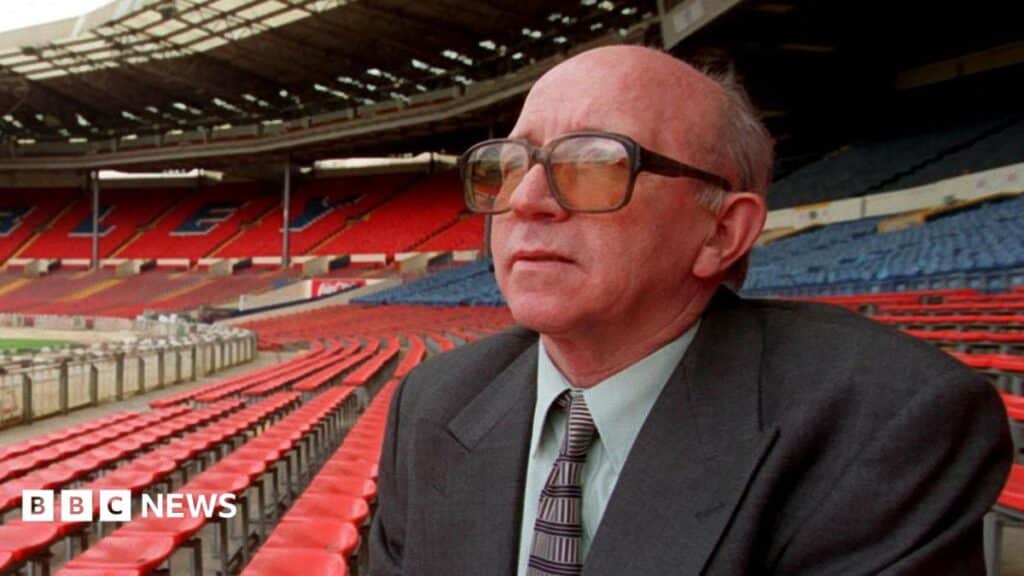
A coroner has ruled that repeated heading of footballs contributed to the brain disease found in former England and Manchester United midfielder Nobby Stiles. According to BBC News, the senior coroner recorded the cause of death as Alzheimer’s disease, contributed to by chronic traumatic encephalopathy (CTE) and other neurodegenerative and cerebrovascular conditions.
Neuropathology expert Dr Daniel Du Plessis told Stockport Coroners’ Court he was “quite convinced” that Stiles’ repeated heading had caused the CTE found in his brain. The inquest heard Stiles, who died in 2020 aged 78, had headed the ball about 140,000 times in his career; expert analysis concluded his severe dementia was primarily Alzheimer’s disease with high-stage CTE also present.
The court heard details of training practices from Stiles’ playing days, including testimony that players at Old Trafford were encouraged to head a ball that hung down from the stand. His son, John, told the inquest heading in training was “absolutely massive” and gave a conservative estimate that his father headed the ball 40 times a day, five times a week during each 10-month season. The family have campaigned for football authorities to provide more help to ex-players they say were harmed during their careers.
This matters because the ruling ties a high-profile former player’s diagnosed brain disease to repeated head impacts, and it comes alongside existing steps and research cited at the inquest. The FA co-funded a 2019 study that found former players were three-and-a-half times more likely to die of neurodegenerative disease than age-matched members of the general population, the FA is phasing out heading in youth football up to under-11s by 2026, and the PFA has established support services including The Football Brain Health Fund and a Dedicated Brain Health Team.
What happens next: Stiles’ son warned this could be the first of many similar inquests, and the coroner said deaths like this should be used to highlight the impact of repeated head injuries. The ruling records Stiles’ death as Alzheimer’s disease with contributing CTE, stage-three limbic predominant age related TDP-43, and cerebrovascular disease, and the family’s campaign and expert findings are likely to inform further scrutiny and support discussions for former players.
Related sections: General | Sports/الرياضة | World/العالم