













Arabic version: جنوب أستراليا تكشف تراجع التزام سيارات الإسعاف بمواعيد الاستجابة للمرضى ذوي الأولوية 3
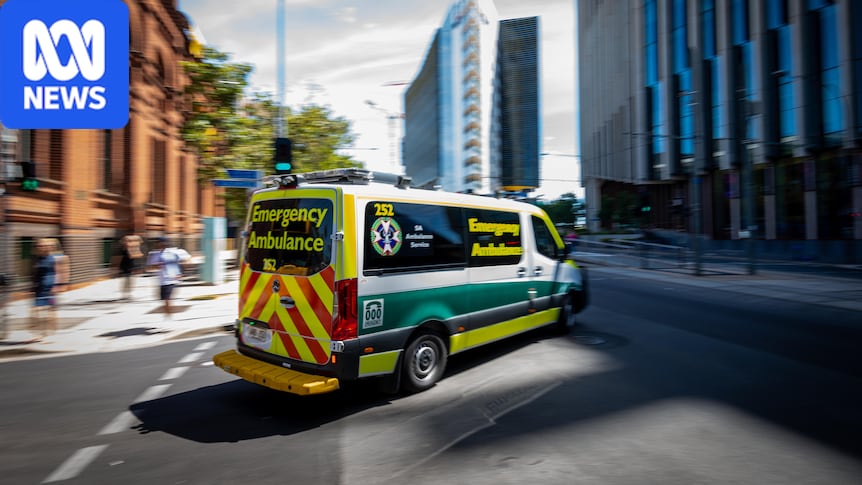
South Australian data obtained under Freedom of Information laws shows only about one third of ambulances met expected response times for priority 3 patients in recent months.
According to ABC News, figures released to the opposition show 33.7 per cent of ambulances for priority 3 patients arrived within the expected timeframe in April and 28.7 per cent did so in March. The opposition’s health spokesperson Jack Batty said while the state government released priority 1 and priority 2 ambulance response times regularly, it did not present the priority 3 or 4 response times as visibly on its online public dashboard. “This data is the data on ambulance response times that Labor does not want you to see,” Mr Batty said. “South Australians are waiting longer for an ambulance under Labor.”
When an ambulance is called the incident is triaged depending on how life-threatening the emergency is. The SA Health website sets targets: a priority 1 call is deemed an “emergency” and 60 per cent of ambulances should arrive within eight minutes of the Triple Zero (000) call being made; priority 2 is classed as “urgent” and 90 per cent of calls should be attended within 16 minutes; priority 3 patients are expected to have an ambulance respond within 30 minutes; and priority 4 and 5 within 60 minutes. The report notes that if a patient does not arrive at hospital and receive care within 30 minutes of an ambulance being called, it is known as ramping.
The government argued there had been an improvement in all priority call-outs since 2022. Earlier this month, SA Health Minister Blair Boyer said priority 1 and priority 2 response times had improved by about 25 per cent, and a government press release showed priority 1 response rates rising from 59.4 per cent in March 2022 to 72.1 per cent in April this year.
Treasurer Tom Koutsantonis said there was always room for improvement but that response times for priority 1 and 2 incidents had “dramatically improved.” “Response times now are way better than what they were under a Liberal government,” he said. He said the SA Ambulance Service had “more resources than ever before” and that “We are throwing money at them and resources and staff and training.”
SA Ambulance Employees Association secretary Paul Ekkelbloom said emphasis was being placed on responding to priority 1 and 2 cases. “Rightfully so, they are the life-threatening cardiac arrests, strokes and extensive pain,” he said. “Unfortunately, those priority 3s sort of do take second place, which we don’t like to see.” He said priority 3 cases included abdominal pain, falls, strokes, nausea and mental health patients going through an acute episode, and that during the “bad days” in 2021 and 2022 some patients “would pass away when we arrived.”
Related sections: General | Australia/استراليا | South Australia | Social/إجتماعية