












Arabic version: الإجماع الأميركي بشأن إسرائيل يواجه انقسامات جديدة
According to Al Jazeera, more than 100 House Democrats last week voted for an amendment to cut off military aid to Israel, though it failed after some Democrats and almost all Republicans opposed it. The article argues that the vote exposed growing divisions in a bipartisan approach that had long protected Israel from significant congressional scrutiny.
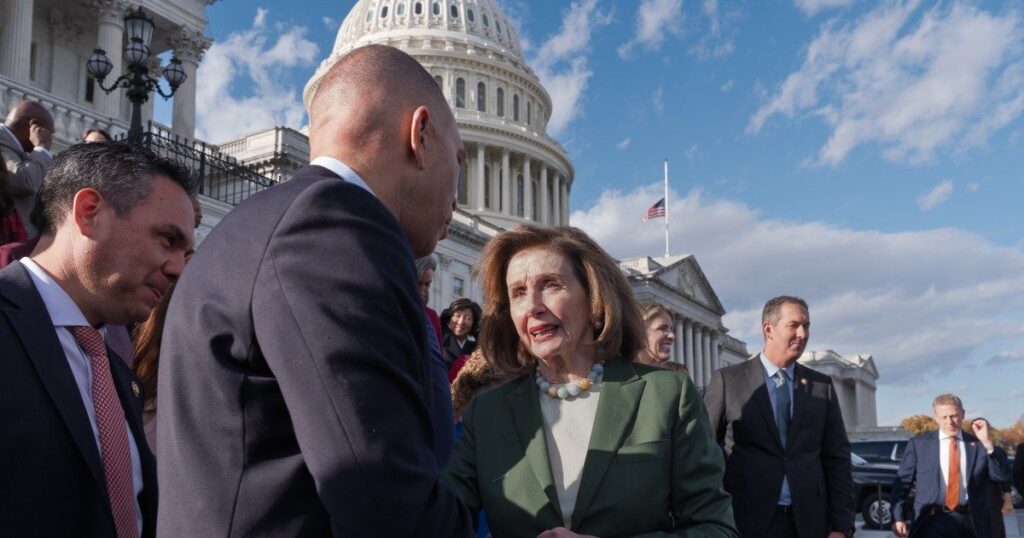
The opinion article highlights former House Speaker Nancy Pelosi’s support for ending military assistance. It says Pelosi, once among Israel’s most dependable Democratic allies, argued that Americans were demanding an end to a perpetual cycle of war. The piece links the shift within the Democratic Party to concerns over settlement expansion, the lack of a meaningful peace process and Prime Minister Benjamin Netanyahu’s alliances with far-right parties hostile to Palestinian statehood.
Israel’s war on Gaza became a decisive turning point, the article says, as destruction and civilian suffering seen through social media turned long-running unease into demands for accountability. It also describes university encampments, teach-ins and demonstrations, from Columbia University to UCLA, as helping make Gaza a major domestic political issue for younger voters.
The article says Democratic leaders’ response to student protests deepened the divide with younger and progressive voters. It points to the 2024 elections, when Democrats lost the presidential race, several House seats and control of the Senate, while noting that Gaza was not the only issue. In the current election cycle, it says progressive candidates have defeated incumbents after rejecting unconditional military aid and refusing contributions from influential pro-Israel organisations.
Congress still has the votes to preserve military assistance, the article says, but support is no longer politically automatic. It argues that future Democratic administrations or Democratic-led Congresses could condition aid on civilian protection, curbing illegal settlements, humanitarian access or compliance with international law. The article concludes that the US-Israel alliance may become more conditional rather than end.