











Arabic version: مكاسب صناديق النفط المتداولة تواجه مخاطر جيوسياسية
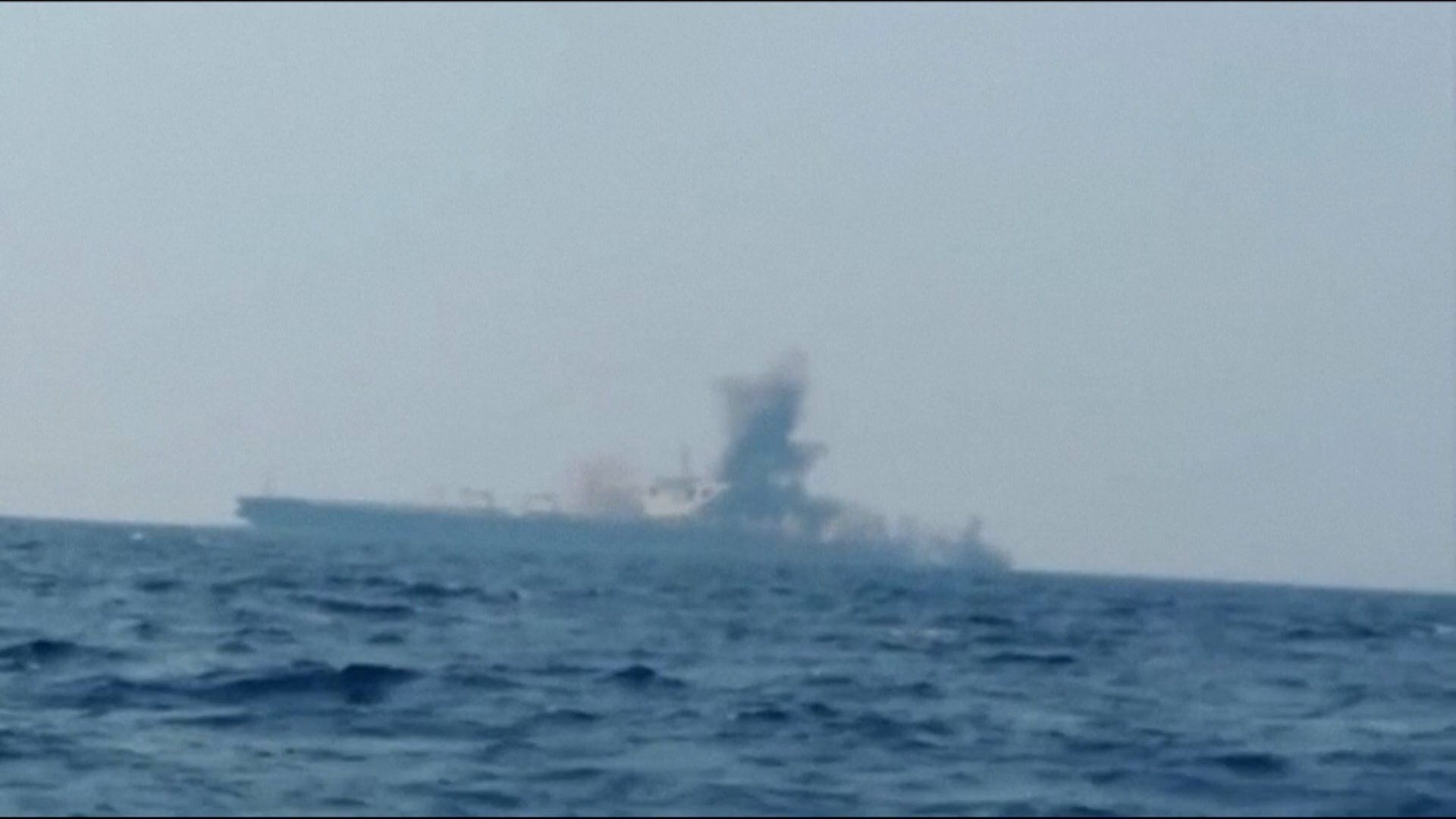
According to Cnbc, the U.S.-Iran war helped create massive short-term profits for major oil companies and gains for investors in energy-related exchange-traded funds. ExxonMobil reported quarterly profit that doubled year over year to $14.5 billion, while Chevron’s net income rose close to 400%. From April through June, U.S. crude oil futures averaged above $92 per barrel, a quarterly increase of 27%.
Refiners also posted strong results. Valero Energy’s quarterly earnings rose more than 400% from a year earlier, while Chevron’s refining segment profit increased 500% as gasoline and diesel prices rose. Yet oil prices have been volatile since early March, when a barrel peaked near $120, fell as low as $72 and moved sharply within that range. As of Friday, U.S. crude traded below $85 per barrel and Brent crude was around $90, after prices fell more than 5% over the prior week on bets that Middle East conditions would improve.
Among the year-to-date winners, the United States Oil Fund returned 87%, the United States Brent Oil Fund gained 78.1%, Invesco DB Oil Fund rose 76%, VanEck Oil Refiners ETF advanced 44.6%, and the Energy Select Sector SPDR ETF gained more than 30%. Dave Nadig of ETF.com cautioned that a six-month oil trade based on geopolitics is speculation rather than investing. Morningstar’s Bryan Armour said long-term investors may be better served by lower-cost, more diversified and broader investment themes.
CFRA’s Aniket Ullal said short-term traders favor DBO because futures prices track spot oil more closely than equities and bring greater volatility. He said CFRA expects West Texas Intermediate crude closer to $60 per barrel and is more optimistic about energy exposure that includes natural gas, citing expected AI-driven demand from data centers. Ullal also pointed to infrastructure funds including AMLP and EMLP, while Nadig cited uranium and nuclear-energy ETFs as a longer-term AI-powered theme.