













Arabic version: أستراليا تسجل أكثر من 200 إصابة بإنفلونزا الطيور H5N1
According to ABC News, Australia has recorded more than 200 confirmed cases of the deadly H5N1 bird flu across five states, with the bulk in South Australia. Testing has also confirmed the first mass mortality from bird flu in Australian wildlife on an island off South Australia’s south-east coast. H5N1 was first found in Australia in June after birds were confirmed to have the 2.3.4.4b strain.
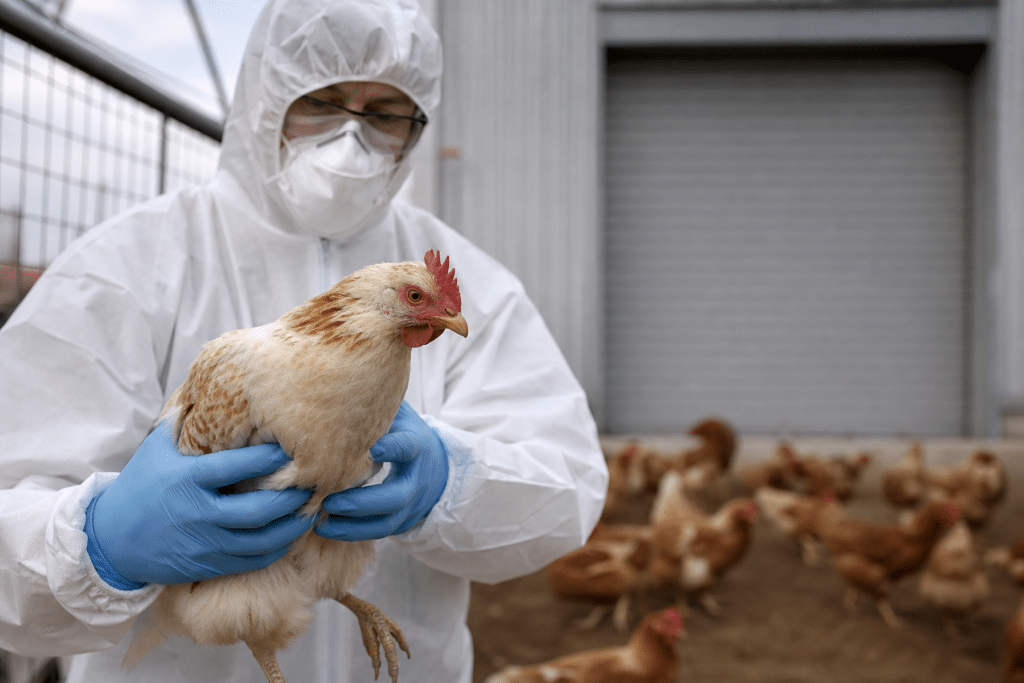
Avian influenza primarily affects birds, though it can spread to other animals and, rarely, people. High-pathogenicity strains have higher mortality rates than low-pathogenicity strains, with poultry and wild birds among the most affected. The virus can also affect mammals including seals, cows and cats. People may be infected through contact with infected animals, body fluids or contaminated objects, or by breathing contaminated dust or air.
Human infections remain rare. The Australian Centre for Disease Control says infected animals shed the virus in faeces and other body fluids. NC State University virologist and immunologist Dr Matthew Koci said most US cases involved conjunctivitis, or “pink eye”, while some mild respiratory cases have been reported. More serious illness, including severe pneumonia and rare deaths, has occurred in some people globally.
Authorities are also warning of risks to wildlife and pets. A federal risk analysis assessed 386 native Australian bird and mammal species as being at high to extreme risk. Environment Minister Murray Watt said more mass mortality events were expected and raised concern for seals, sea lions and dolphins. Pet owners are advised to limit animals’ contact with wild birds, keep cats indoors where possible, keep dogs on leads, and avoid raw or unpasteurised animal-based diets.
There have been no detections of bird flu in Australia’s livestock industry, and eggs remain safe, according to the federal government. The federal framework for national poultry biosecurity measures began on July 31, while states and territories oversee surveillance and advice and the Department of Agriculture, Fisheries and Forestry coordinates the national response. People who find sick or dead birds are urged to avoid contact, record what they observe and call the emergency animal disease hotline.