












Arabic version: الولايات المتحدة تحظر واردات كندية مع تعمّق النزاع التجاري
According to Cnbc, the White House will ban imports of Canadian motorbikes, whey products, molasses, nonalcoholic beer and numerous alcoholic drinks from Sept. 29, 2026. President Donald Trump announced the measures through executive orders late Monday, as diplomatic and trade relations between Washington and Ottawa continued to deteriorate.
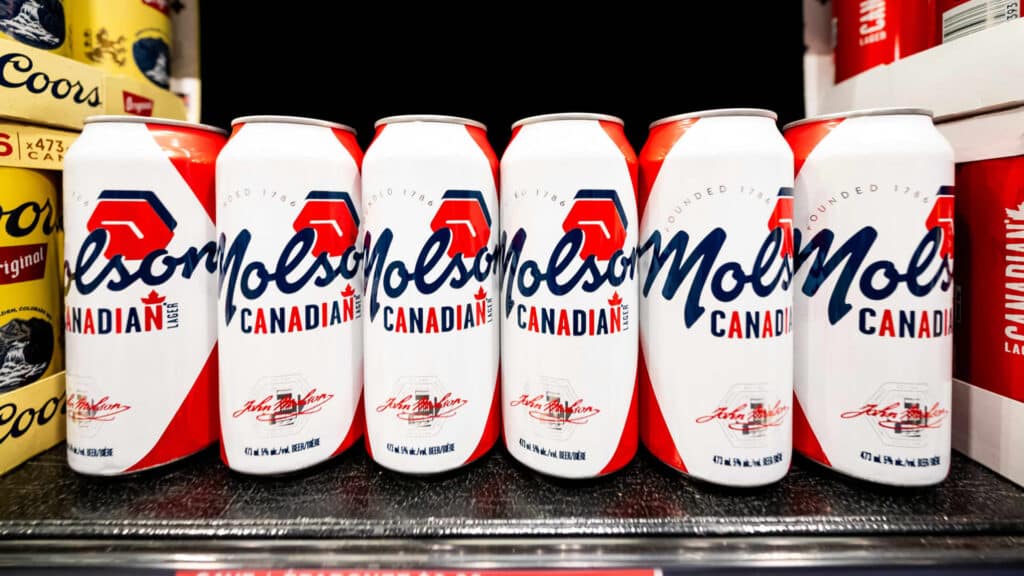
The restrictions will cover malt beer, wines, cider, whiskies, vodka and other spirits, as well as larger-capacity motorcycles and mopeds. They largely replace 50% tariffs that had applied to the products. The U.S. also said tariffs on other Canadian goods would be modified and extended from Sept. 15, adding all-terrain vehicles and animal hides while removing rock salt and cement.
U.S. Trade Representative Jamieson Greer described the action as a “natural consequence of Canada’s continued discriminatory treatment of crucial American exports.” The announcement came as Canadian tariffs on 27.6 billion Canadian dollars, or $20 billion, of U.S. imports took effect. Ottawa said the “dollar for dollar” measures target more than 700 goods, including steel, dairy, farm equipment, pulp and paper, electronics and other products.
Canada introduced the tariffs after the U.S. imposed 50% tariffs on Canadian goods in August, following the collapse of trade talks before an Aug. 21 deadline. Trump has accused Canada of disadvantaging U.S. exports through its auto, alcohol and dairy policies and has threatened a 50% tariff on cars, trucks and auto parts from Jan. 1, 2027. Prime Minister Mark Carney said Canada’s tariffs would carry costs but were needed to protect businesses, workers and communities.
The existing tariffs cover a relatively small share of the $715.5 billion in goods trade between the two countries, though economists have warned of risks for small and medium-sized businesses and economic growth if the dispute escalates. Alcohol has become a notable point of contention: U.S. spirits exports to Canada fell more than 70% year on year from the start of a retaliatory ban in March 2025 through December 2025, according to the Distilled Spirits Council of the United States.