












Arabic version: تحذير لبريطانيا من تكاليف الدين وتباطؤ النمو
According to BBC News, the UK has been warned about ballooning debt costs and slower economic growth before Chancellor John Healey’s first Budget next month. The Organisation for Economic Co-operation and Development downgraded its forecast for UK growth next year to 1%, from 1.1%, while upgrading its forecast for this year from 0.9% to 1.1%.
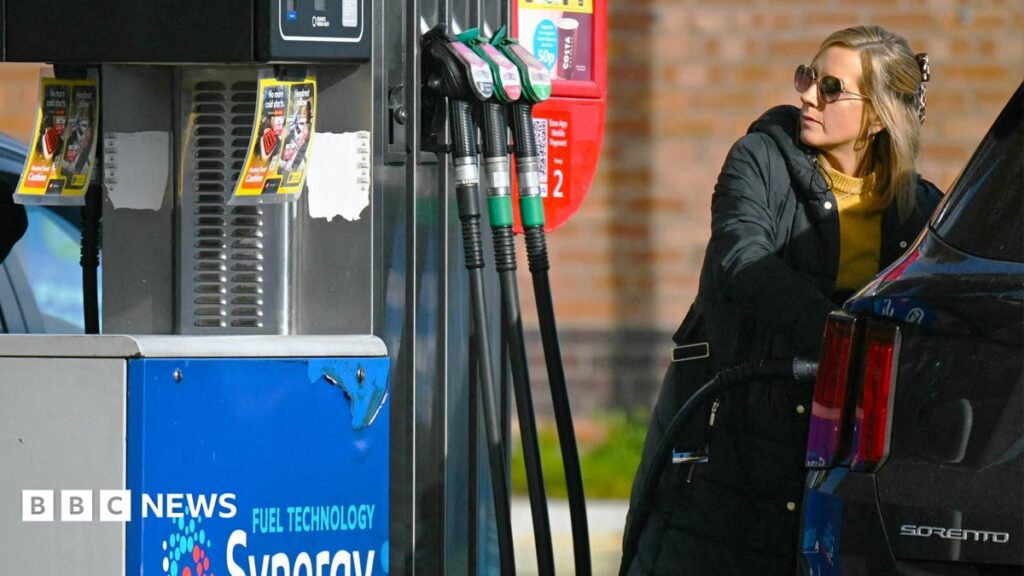
The OECD said the UK had been more resilient than expected this year, but higher crude oil prices linked to conflict in the Middle East and the Russia-Ukraine war have increased fuel and energy costs and driven inflation globally. It said the effect of higher fuel prices next year would depend on the duration of supply disruptions, though oil stockpiles and supplies from outside Gulf states had so far cushioned economies.
IMF head Kristalina Georgieva said global shocks had been “pushing debt levels up like a staircase not to heaven” and that governments had taken “no action to contain that service cost”. She said it was time for action and that politicians needed “courage”. Prime Minister Andy Burnham said the UK’s high borrowing had left it “over-exposed” to global shocks, while maintaining that Britain should be less “in hock” to bond-market investors.
Healey and Burnham face pressure to support households, spend more on defence and meet Labour manifesto commitments and the government’s fiscal rules. Capital Economics deputy chief UK economist Ruth Gregory said resilience to higher energy prices had partly reflected business stockpiling and households saving less disposable income, but described the effect as temporary. She said the drag from energy prices would increase and debt-interest payments, as a share of economic output, are forecast to reach levels seen in the mid-1980s.
Chief Secretary to the Treasury Emma Reynolds said the economy was showing “strong resilience” despite conflict in the Middle East and Europe. Conservative shadow chancellor Andrew Griffith said the OECD urged countries to control spending and improve public-sector efficiency, accusing the government of seeking new ways to tax people while paying the highest borrowing interest rates in the G7.