











Arabic version: مزارعو الحمضيات يسعون إلى توسيع فرص التصدير إلى الولايات المتحدة
According to ABC News, Australian citrus growers are seeking wider access to the United States market, which is currently limited to fruit from long-established fruit fly-free areas in South Australia, New South Wales and Victoria.
Citrus Australia estimates that 30 per cent of the nation’s citrus production area is excluded from the existing arrangement, with growers missing potential export earnings of up to $150 million a year. The industry body says Queensland, parts of New South Wales and Western Australia could benefit from expanded access.
The US Department of Agriculture completed a risk assessment in 2015 that favoured Australia. A 2021 plan proposed authorising citrus imports from parts of inland Queensland, Western Australia, and the NSW shires of Burke and Narromine, but it was not legally implemented. Australia’s federal Department of Agriculture says it continues to work with the US government on the request.
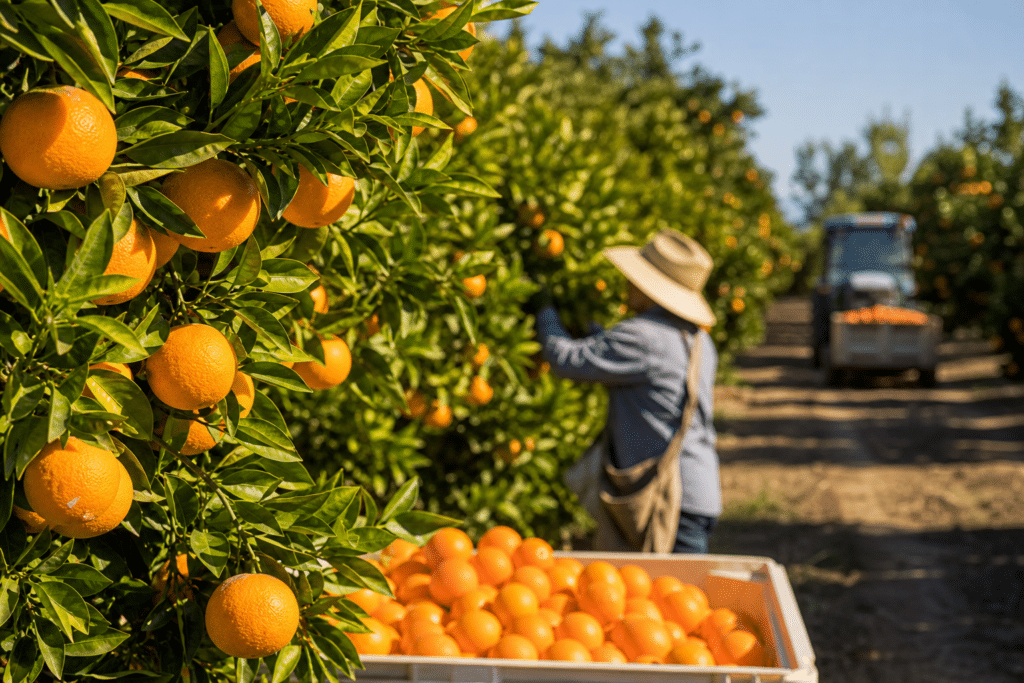
Negotiations have focused on cold treatment for fruit fly. Research found that refrigerating produce at or below 3 degrees Celsius for 12 to 20 days prevents fruit fly eggs and larvae from surviving. Mundubbera grower Allen Jenkin said most of Ironbark Citrus’s export containers already use cold-treatment protocols.
Ironbark Citrus processed about 8,000 tonnes of mandarins in the 2026 season, with 90 per cent sent overseas. Costa Group, Australia’s largest citrus producer, says domestic sales are at saturation and it wants to sell more fruit internationally. Growers hold cautious hope that the 2027 crop could reach the US.