












Arabic version: إرث هيلاري مكفي في النشر الأسترالي
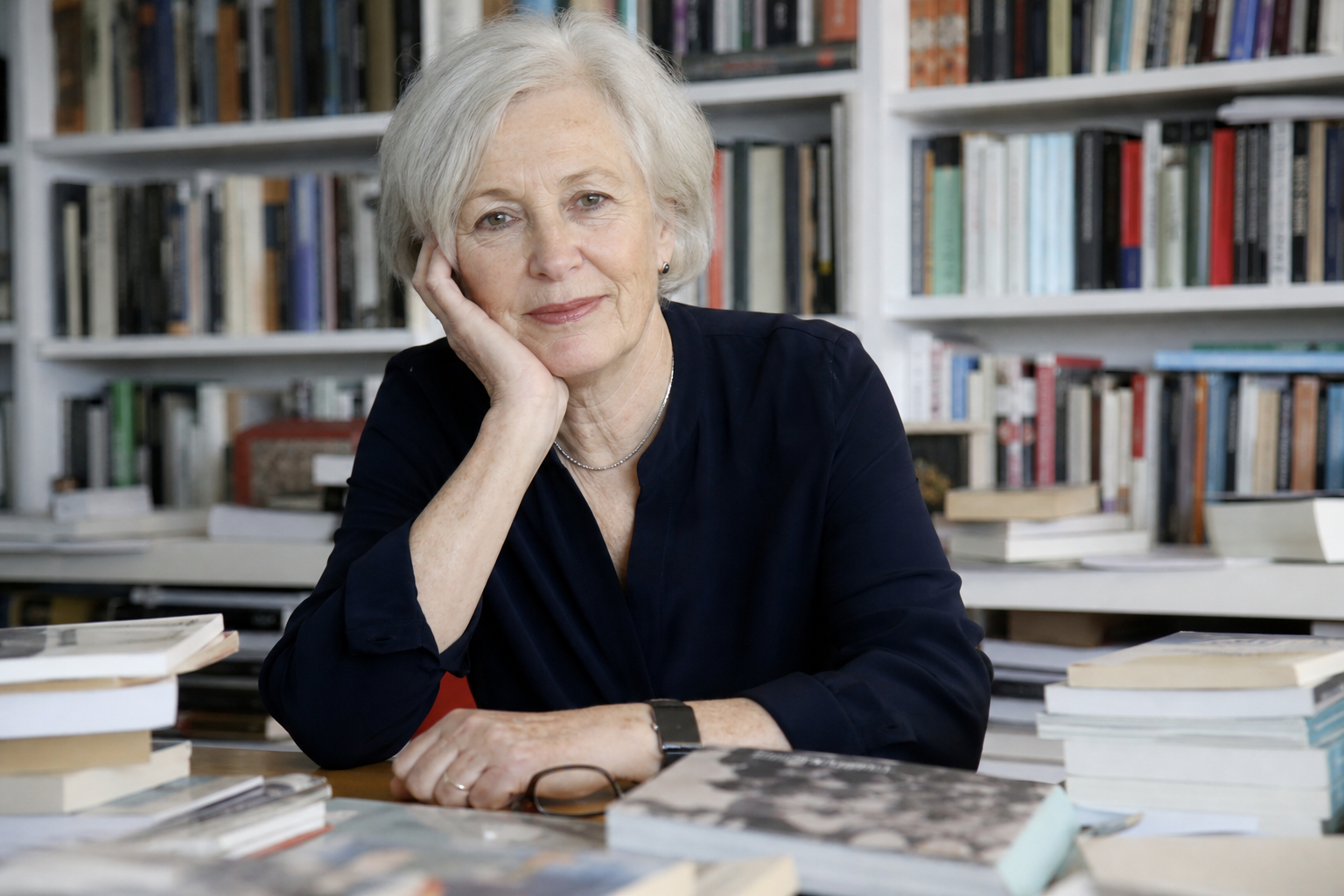
According to ABC News, writer, editor and publisher Hilary McPhee, who died in October, helped reshape Australian publishing through a career that elevated local writing, women’s issues and First Nations voices. Her work began in an industry that, in 1975, was largely run by men and reflected British publishing.
That year, McPhee and Diana Gribble established the small publishing operation McPhee Gribble. Its first venture, attached to Penguin, was the children’s series Practical Puffins. The company later moved into adult writing despite warnings from men in the industry that it would fail unless it focused on pornography, horses or ballet.
McPhee Gribble operated from 1975 until it was sold to Penguin in 1989. During those 14 years, it published writers including Helen Garner and Tim Winton, while promoting women’s writing and Australian history. In 1984, it also published An Aboriginal Mother Tells of the Old and the New by First Nations woman Elsie Labumore.
After Penguin acquired McPhee Gribble, McPhee led the Picador imprint at Pan Macmillan Australia until 1994. There she published Garner’s The First Stone and Winton’s The Riders. Her publishing experience had also included work at Penguin and Heinemann, while her early contact with editing came as a University of Melbourne history student working for the literary journal Meanjin.
McPhee went on to become the first woman chair of the Australia Council for the Arts from 1994 to 1997, and served as inaugural Vice-Chancellor’s fellow at the University of Melbourne from 1997 to 2004. She received an Order of Australia in 2001 for service to literature and the arts. Her books included the memoirs Other People’s Words and Other People’s Houses; Melbourne University Press reissued the former in 2025 with a final chapter, Twenty-five Years On, considering artificial intelligence and its effects on writing, reading, knowing, imagining and being.