












Arabic version: خبراء يشككون في الادعاء بأن الوركين يخزّنان التوتر
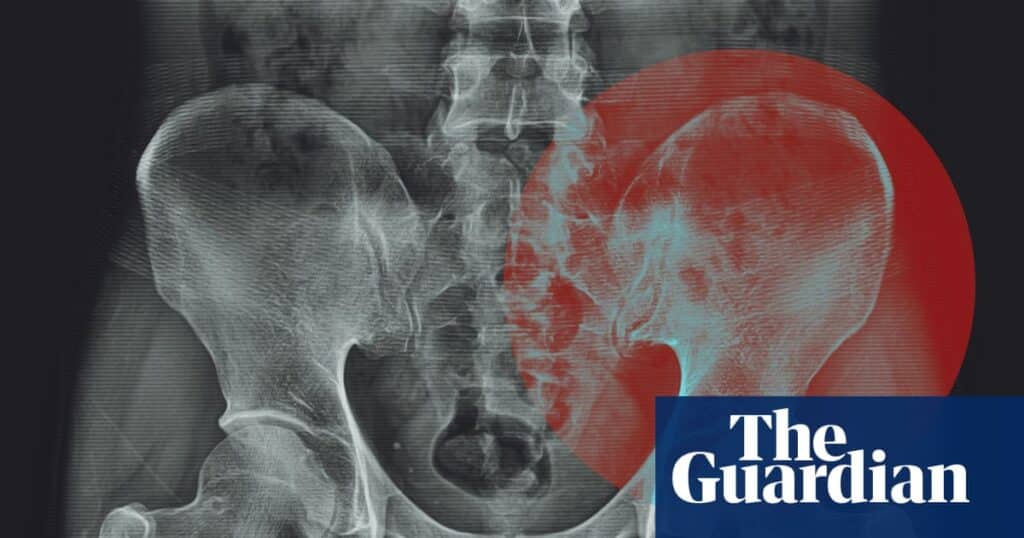
According to The Guardian, stress can contribute to muscle and nerve activity, but experts say there is no evidence that trauma uniquely affects the hips. The popular wellness idea that hips store emotions or painful memories does not match the available evidence.
Greg Lehman, a physiotherapist, chiropractor and biomechanics expert, said there is “nothing special about the hip” in a stress-tightness connection. Evidence linking mental strain with musculoskeletal tension is strongest for the shoulders, jaw and pelvic floor. People who experienced trauma, particularly in childhood, are more likely to have chronic pain and greater pain sensitivity in lab tests, but this has not been shown to be more true for the hips.
Hip discomfort can have anatomical causes. Abby Cheng, a sports medicine doctor at Washington University School of Medicine in St Louis, said people with very shallow or very deep hip sockets tend to have more pain. Tendinitis or bursitis on the outside of the hip is another possible cause and is especially common in middle-aged and older women. Stress, poor sleep, inactivity and anxiety can also increase the likelihood that pain becomes noticeable.
Cheng recommends starting with more movement when walking, gentle stretching or other exercise eases the sensation. She cautioned against overly aggressive stretching, which can worsen discomfort. Regular aerobic exercise and strength training at least twice a week may help; Cheng uses glute-strengthening exercises including clamshells and “monster walks”. People should seek help if symptoms do not improve with movement or worsen as they move. Imaging can occasionally clarify a cause, but it usually does not identify where pain is felt or its source.