












Arabic version: الحرب وضغوط الديون تتصدران أجندة صندوق النقد والبنك الدولي
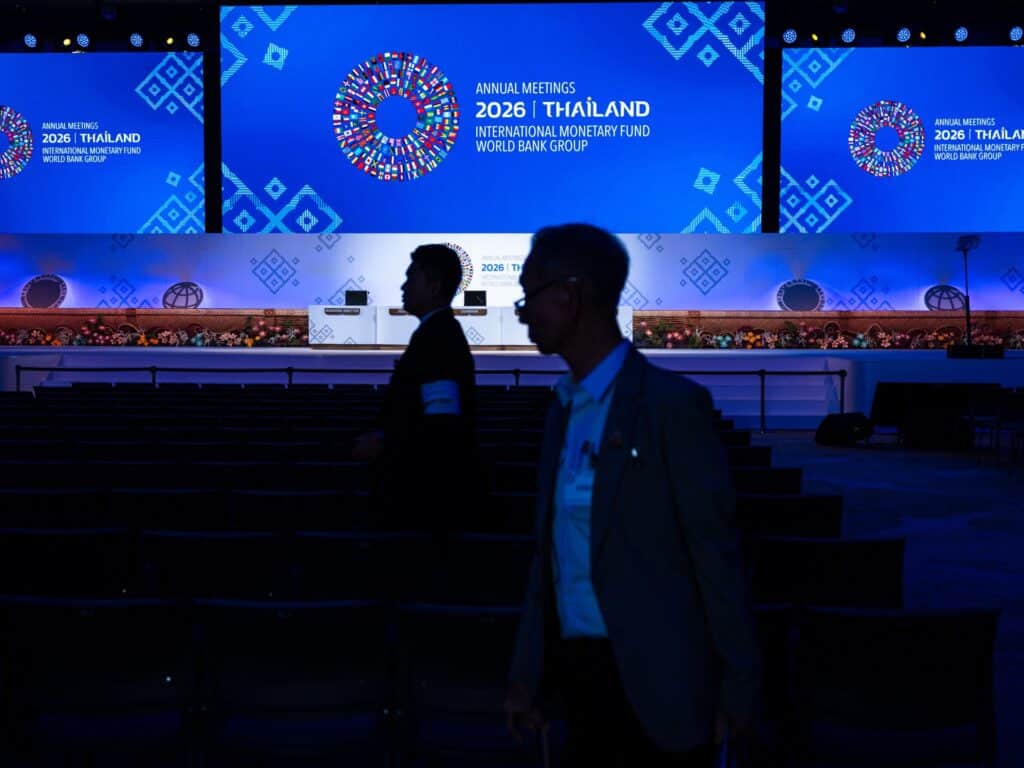
According to Al Jazeera, finance officials will gather in Bangkok this week for the International Monetary Fund and World Bank annual meetings as a widening Middle East war, a major energy supply shock and rising interest rates weigh on already-sluggish global growth. The US-Israel war on Iran, now in its eighth month, and its inflationary effects are expected to dominate the agenda. The meetings are being held outside Washington for the first time in three years.
IMF Managing Director Kristalina Georgieva told Reuters that 18,000 people had registered to attend, 4,000 more than attended the previous off-site meetings in Morocco in October 2023. US Treasury Secretary Scott Bessent will not attend, sending two senior officials while he handles domestic engagements, a US official said. Federal Reserve Board Chairman Kevin Warsh is due to attend and take part in a public event with Georgieva on October 16. Some other finance ministers are also remaining home because of budget and election duties, though most central bankers are expected.
The Group of Seven has agreed to release 100 million barrels of diesel and crude oil from emergency reserves. More than one billion barrels of oil, mainly from onshore commercial inventories, have been released since the war began on February 28. Industry executives say accessible oil storage is running low, leaving markets more fragile and adding pressure to prices. The IMF has indicated little change to its three percent global-growth forecast for 2026, while some countries, including Ukraine and Gulf states affected by Iranian strikes and reduced energy exports, may face downgrades.
Public debt will also be a central concern. The IMF says debt is at its highest level since World War II and will exceed 100 percent of global GDP before 2030. Developing countries face $400bn in external debt payments in 2026, while average interest payments already exceed 10 percent of revenue. Lower-income countries have raised concerns that new IMF loan-programme recommendations for fewer but deeper reforms could bring painful austerity measures.