












Arabic version: حزب الوطني الليبرالي في كوينزلاند يواجه مواجهة بشأن صلاحيات الإضراب
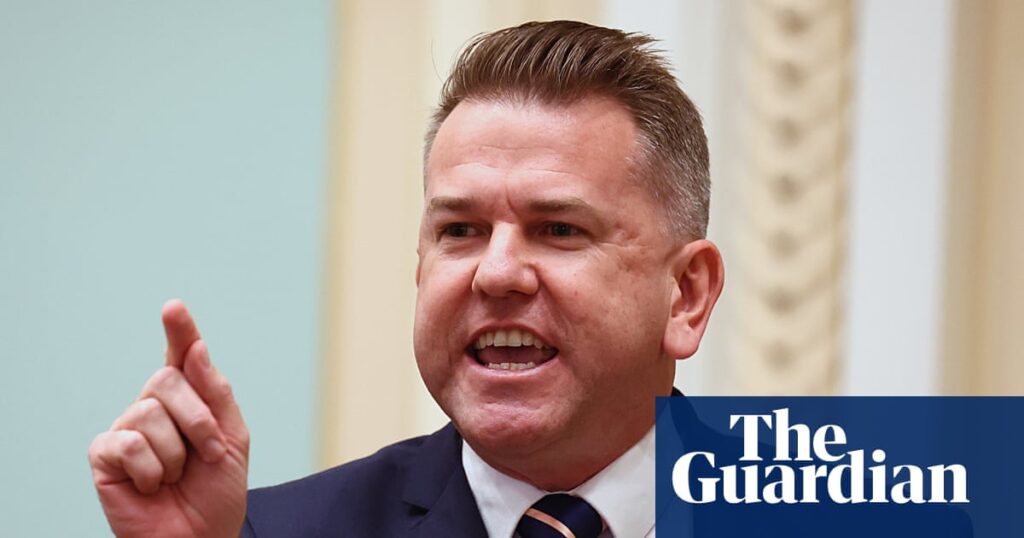
According to The Guardian, Queensland’s Liberal National party government has unveiled proposed workplace-law changes that could allow Deputy Premier Jarrod Bleijie to break up public-sector strikes in certain circumstances, including where action is deemed to be “in the public interest”.
The proposals also seek to tighten access to compensation for psychological injuries among public servants, including emergency services workers. Under the planned laws, workers making such claims would need to show that their workplace was the primary cause of the injury.
Slater and Gordon said the changes would make it harder for Queenslanders to obtain support for psychological injuries. The United Workers Union, which represents paramedics and some healthcare workers, described the proposals as “an underhanded attack on Queensland ambulance officers and other hospital staff”. Several business groups welcomed the measures.
Opposition leader Steven Miles called the proposals a “Newman-era attack on workers”. The Guardian’s analysis said the legacy of the Campbell Newman government remains important to the current political debate, noting that David Crisafulli and Bleijie witnessed backlash against earlier “crash through” tactics, including public-sector job-cutting proposals and mass protests.
The LNP won the 2024 election while focusing mainly on crime and avoiding potentially vote-losing positions on matters such as abortion and budget cuts. The proposed reforms could now test the government’s support among suburban voters and the state’s public-sector workforce, which employs more than 320,000 people.
Bleijie said Labor would run a “mammoth campaign” against the changes, predicting “a lot of mistruths and misinformation” and saying the government would seek to “debunk” claims with facts. The Crisafulli government remains ahead in the relatively limited public polling cited in the analysis.