











Arabic version: فيلم وثائقي يعيد زيارة نضال نساء نغاريندجيري ضد الجسر
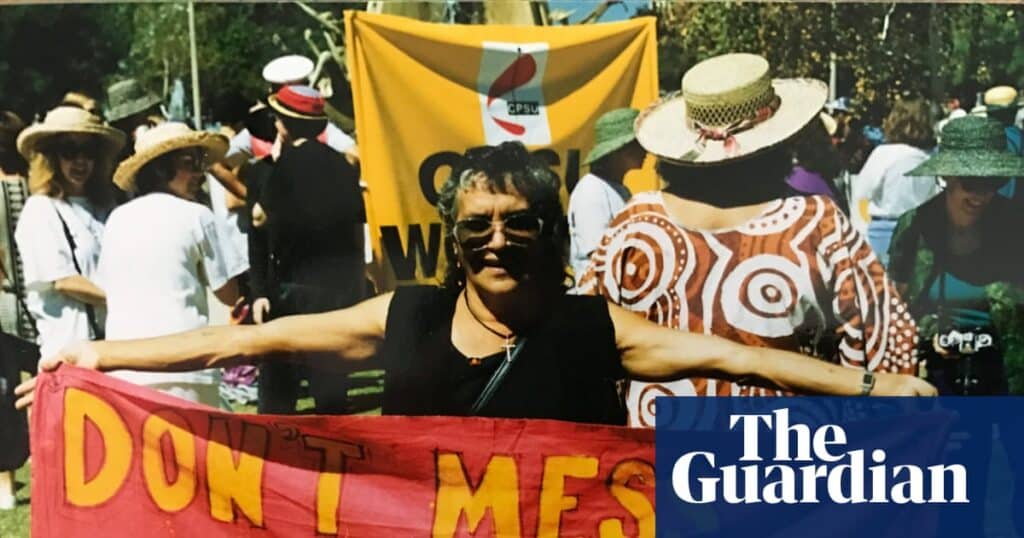
According to The Guardian, a new documentary, Kumarangk: Sacred Women’s Business, recounts the decades-long Hindmarsh Island Bridge affair and the Ngarrindjeri women who fought to protect sacred knowledge, country and culture. The feature film is scheduled for its global premiere on Saturday at the Adelaide film festival.
The dispute began in 1989, when developers Tom and Wendy Chapman proposed a bridge from mainland Goolwa to Kumarangk, also known as Hindmarsh Island, where they were building a marina. Ngarrindjeri women said the island was a place for birth, burial and women’s business, and opposed a bridge crossing sacred waters. Writer and director Tracey Rigney, a Ngarringdjeri/Wotjobaluk woman, describes the women in the film as “Master weavers, branded liars of our culture. Fighters.”
More than 150 women met in Goolwa to consider how to respond while keeping their reasons confidential. Elder, historian and genealogist Dr Doreen Kartinyeri ultimately provided information in an envelope intended for women’s eyes only to then Aboriginal and Torres Strait Islander affairs minister Robert Tickner. Tickner imposed a 25-year ban on construction, but documents, including the confidential material, were sent to the wrong office and photocopied and shared, the report said.
A South Australian royal commission found in 1995 that the “secret women’s business” claims were fabricated. In 1997, the federal government overturned Tickner’s ban, and the bridge opened in 2001. The Chapmans later sought $20m compensation over the delay. Justice John von Doussa found against them and overturned the royal commission’s finding. His conclusion was accepted and endorsed by the state government in 2010.
Rigney said the film connects archival material with the voices of women today, revisiting a conflict between cultural and land rights and development ambitions. She said she hopes audiences learn more about the affair and the women seeking to protect country and culture. “It’s truth-telling, yeah?” she said.